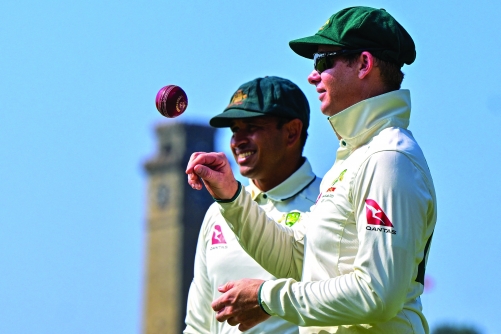

Australia’s upcoming Ashes series is shadowed by concerns over the age of their squad, leading some to dub them a “Dad’s Army.” While questions linger about long-term sustainability and depth, chief selector George Bailey remains confident in the experience and current performance of his veteran-laden team. This article delves into the debate surrounding Australia’s ageing squad, the concerns raised by legends of the game, and the reasons behind the selectors’ unwavering faith in their established players as they prepare for the battle against England.
The “Dad’s Army” Debate: Australia’s Ageing Ashes Squad
The numbers are stark. Of the 15 players selected for the first Test in Perth, only Cameron Green, at 26, is under 30. Usman Khawaja is 38, Nathan Lyon 37, Steve Smith and Scott Boland 36, and Mitchell Starc 35. Even potential debutant Jake Weatherald is 31. This demographic reality has fueled a narrative, particularly in the English media, questioning Australia’s ability to withstand the physical demands of a grueling five-Test series and, more importantly, to build for the future.
The term “Dad’s Army,” a reference to a British sitcom about a hopelessly outdated Home Guard unit, has been widely adopted, alongside less flattering nicknames like “Saggy Greens.” Former England captain Michael Vaughan even playfully suggested England could field a team with a lower average age by including retirees Ian Botham and David Gower.
Concerns Over Depth and Future Succession
The age profile isn’t the only worry. Recent injuries to key bowlers Josh Hazlewood and Pat Cummins, both ruled out of the Perth Test, highlight the vulnerability of relying on players who are increasingly susceptible to wear and tear. This has reignited concerns about a lack of readily available replacements and the potential for a mass exodus of experienced players in the near future.
Former Australian captain Steve Waugh voiced these concerns publicly, stating that the selectors need to proactively blood younger players to avoid a repeat of past cycles where multiple stars retire simultaneously, leaving a significant void. He questioned whether chief selector George Bailey has the appetite for making the tough decisions necessary to facilitate this transition. Waugh believes Bailey needs to “step up to the plate” and prioritize developing the next generation of Australian cricketers.
Bailey Defends Selection: Experience Trumps Age
Despite the criticism, George Bailey has staunchly defended his selections, emphasizing that the chosen players are performing well and deserve their place in the team. He challenged those questioning the age profile to suggest specific players who should be dropped, directly asking if the likes of Nathan Lyon and Mitchell Starc should be overlooked simply because of their age.
Bailey’s argument centers on the value of experience, particularly in the high-pressure environment of an Ashes series. He believes the current core group possesses a deep understanding of Australian conditions and a proven track record of success. This experience, he argues, is a crucial asset that cannot be easily replaced. The focus remains on winning now, with succession planning taking a secondary role.
Prioritizing Test Cricket: Players Managing Workloads
Interestingly, several of Australia’s senior players have proactively adjusted their schedules to prioritize Test cricket. Steve Smith retired from one-day internationals earlier this year, while Pat Cummins has significantly reduced his ODI workload since the 2023 World Cup. Mitchell Starc has also stepped away from T20 internationals. These decisions demonstrate a clear strategy to prolong their Test careers and maximize their impact in the longest format of the game.
England’s Attack vs. Australia’s Proven Record
While England’s squad boasts a younger average age, statistics favor the Australians. As highlighted by Michael Vaughan, England’s bowlers have collectively taken just 43 wickets in Australian conditions, heavily reliant on Ben Stokes (19) and Mark Wood (17). In contrast, Australia’s bowlers have amassed over 700 wickets in their home conditions, even without the injured Pat Cummins.
This disparity in experience and performance in Australian conditions significantly strengthens Australia’s position as favorites, despite the concerns surrounding the age of the squad. The sheer weight of wickets taken and hundreds scored on home soil provides a compelling argument for the selectors’ faith in their veteran core.
Looking Ahead: Can Australia Overcome the Age Factor?
The debate surrounding Australia’s Ashes squad age will undoubtedly continue throughout the series. While the concerns about depth and future succession are valid, the current team possesses a wealth of experience and a proven track record of success in Australian conditions. The key will be managing player workloads, mitigating the risk of injuries, and ensuring the younger players are adequately prepared to step up when the time comes.
Ultimately, Australia’s chances of retaining the Ashes trophy hinge on the performance of their experienced players and their ability to overcome the challenges posed by a determined England side. The selectors’ decision to prioritize experience over youth is a calculated gamble, and the coming weeks will reveal whether it pays off. The focus now shifts to the pitch, where the true test of this “Dad’s Army” will unfold. This cricket team will need to prove their critics wrong.