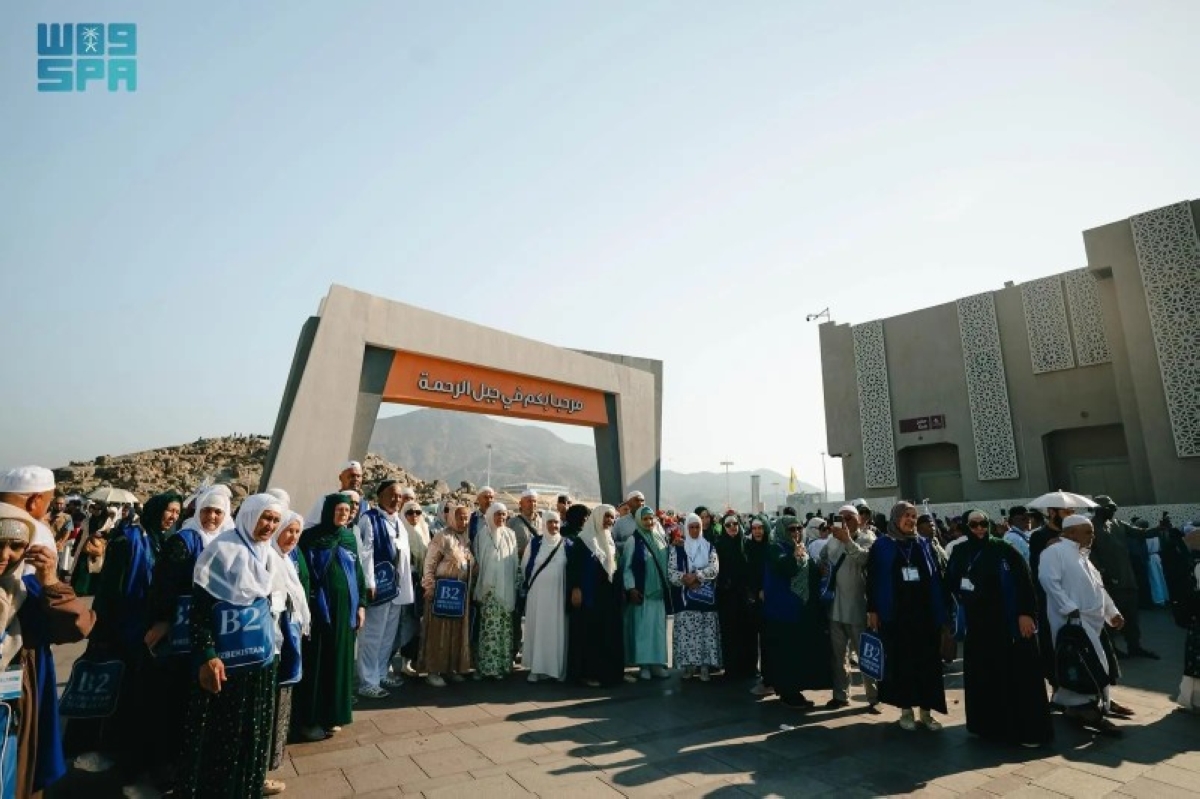

Makkah’s Jabal Al-Rahma is experiencing a surge in visitation, attracting over 10,000 pilgrims and visitors daily, according to recent reports. The site, located in Arafat, is a significant focal point for religious observance during the annual Hajj pilgrimage and is increasingly recognized as a destination for spiritual reflection throughout the year. Improvements to infrastructure and amenities are contributing to the growing popularity of this important landmark.
The increased foot traffic at Jabal Al-Rahma is occurring as Saudi Arabia continues to invest in enhancing the Hajj and Umrah experience for pilgrims. The area surrounding the mountain has undergone recent upgrades, including the addition of commercial facilities, shaded rest areas, and expanded parking. These developments aim to accommodate the rising number of visitors and provide a more comfortable and accessible environment.
The Significance of Jabal Al-Rahma for Hajj Pilgrims
Jabal Al-Rahma, also known as the Mount of Mercy, holds immense religious importance for Muslims worldwide. It is on this site that Prophet Muhammad (peace be upon him) delivered his final sermon during his Farewell Pilgrimage. This historical event imbues the location with profound spiritual meaning, making it a central destination during the Day of Arafat.
The Ritual of Standing at Arafat
The Day of Arafat, the ninth day of Dhul-Hijjah, is considered the most important day of Hajj. Millions of pilgrims gather on the plain of Arafat, and many choose to spend time near Jabal Al-Rahma, engaging in prayer and supplication. Standing at Arafat is a mandatory rite of Hajj, and its fulfillment is essential for the completion of the pilgrimage.
Pilgrims believe that spending time in devotion at Jabal Al-Rahma brings them closer to God and increases the likelihood of having their prayers answered. The atmosphere is often described as deeply moving and emotionally charged, with pilgrims from diverse backgrounds united in their faith. The experience is central to the spiritual transformation many pilgrims seek during Hajj.
Infrastructure Improvements and Visitor Experience
Recognizing the growing number of visitors, authorities have undertaken significant efforts to improve the infrastructure surrounding Jabal Al-Rahma. These enhancements are designed to ensure the safety, comfort, and convenience of pilgrims and tourists. The upgrades reflect a broader commitment to improving the overall Hajj experience.
Currently, the area features over 10,000 square meters of landscaped green spaces, providing a tranquil environment for reflection. Additionally, commercial kiosks offer refreshments and essential supplies, while misting fans provide relief from the intense heat, particularly during the summer months. Dedicated parking facilities for both cars and buses have also been established to manage traffic flow effectively.
The mountain itself stands 65 meters above the surrounding plain and reaches a height of 372 meters above sea level. While climbing to the summit is possible, many pilgrims prefer to remain on the plain, focusing on prayer and contemplation. The accessibility of the site has been a key consideration in recent development plans.
These improvements are part of Saudi Arabia’s Vision 2030 plan, which aims to diversify the country’s economy and enhance its tourism sector. The development of religious tourism sites, such as Jabal Al-Rahma, is a key component of this strategy. The Ministry of Tourism has indicated a focus on sustainable tourism practices to preserve the historical and religious significance of these locations.
However, managing the large influx of visitors presents ongoing challenges. Authorities are continually working to optimize crowd control measures and ensure the availability of essential services, such as medical care and sanitation. The ongoing Umrah season also contributes to consistent visitation levels throughout the year, requiring sustained investment in infrastructure and personnel.
In contrast to previous years, the current facilities at Jabal Al-Rahma represent a substantial improvement in visitor amenities. The addition of shaded areas and misting systems is particularly appreciated by pilgrims, given the often-extreme temperatures during the Hajj season. The availability of dedicated parking also helps to alleviate congestion and improve traffic flow.
The increased attention to landscaping and green spaces also contributes to a more serene and contemplative atmosphere. This is particularly important for pilgrims seeking a spiritual connection with the site. The overall goal is to create an environment that is both respectful of the religious significance of Jabal Al-Rahma and conducive to a meaningful pilgrimage experience. The site’s growing popularity also benefits local businesses offering services to pilgrims and visitors.
Looking ahead, further enhancements to the infrastructure surrounding Jabal Al-Rahma are anticipated. The Ministry of Hajj and Umrah is currently evaluating proposals for additional facilities, including expanded prayer areas and improved transportation links. The long-term plan involves creating a more sustainable and integrated tourism experience, balancing the needs of pilgrims with the preservation of the site’s historical and religious integrity. The success of these efforts will depend on continued investment and effective coordination between various government agencies. Monitoring visitor feedback and adapting to changing needs will also be crucial in ensuring the continued appeal of this important Makkah landmark.