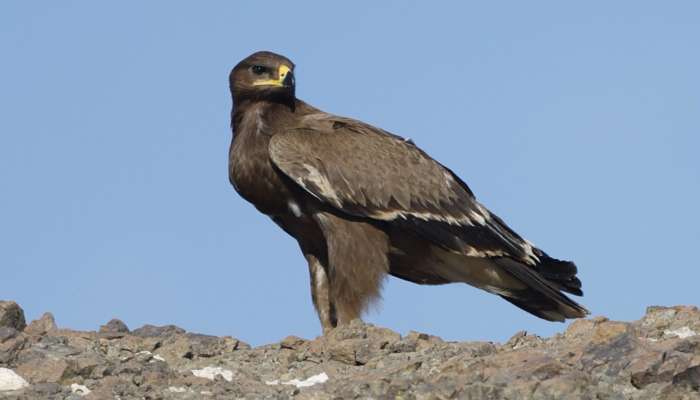

The Sultanate of Oman continues to demonstrate its commitment to biodiversity conservation with a recent significant sighting: the Steppe Eagle. Environmental specialists from the Environment Authority in Al Buraimi Governorate have confirmed the presence of this magnificent, yet endangered, bird of prey during the current winter season. This observation highlights the importance of Oman’s diverse ecosystems and the ongoing efforts to protect vulnerable species.
The Rare Sighting of the Steppe Eagle in Oman
The Steppe Eagle (Aquila nipalensis) is a globally recognized endangered species, making its appearance in Oman particularly noteworthy. Distinguished by its dark brown plumage and expansive black wings, this powerful bird is renowned for its incredible soaring ability, covering vast distances during its annual migrations. The sighting in Al Buraimi Governorate wasn’t a chance occurrence, but rather a result of dedicated field monitoring programs undertaken by the Environment Authority.
Why is the Steppe Eagle Endangered?
Several factors contribute to the Steppe Eagle’s endangered status. Habitat loss, primarily due to agricultural expansion and urbanization, significantly reduces suitable nesting and foraging grounds. Furthermore, a decline in its primary food sources – rodents and small birds – poses a serious threat to its survival. The use of pesticides in agricultural areas also impacts the eagle’s food chain, leading to bioaccumulation of toxins. These challenges necessitate robust conservation strategies, and Oman is actively contributing to these efforts.
Monitoring Biodiversity in Al Buraimi Governorate
The Environment Authority’s field monitoring programs are crucial for understanding and protecting Oman’s rich biodiversity. These programs systematically survey various natural habitats within the Al Buraimi Governorate, documenting the presence of both common and rare species. The recent Steppe Eagle sighting is a direct outcome of this proactive approach to wildlife observation. These observations aren’t just about ticking off species on a list; they provide valuable data for informed conservation planning.
Mohammed Al Balushi, an ecosystem specialist at the Environment Authority in Al Buraimi, emphasized the significance of this finding. “Spotting the Steppe Eagle is a strong indicator of the health of the region’s ecosystems,” he stated. “This species requires open desert environments with a healthy population of natural prey. Its presence confirms that these conditions are, at least partially, being met within the Governorate.” This underscores the importance of maintaining these delicate ecological balances.
The Importance of Wildlife Conservation in Oman
Engineer Salem Al Maskari, Director of the Environment Department in Al Buraimi Governorate, highlighted the Authority’s unwavering commitment to wildlife monitoring. “We implement systematic plans to observe biodiversity in collaboration with various research entities,” he explained. “Documenting endangered species like the Steppe Eagle is a top priority, as it directly contributes to enhancing our national wildlife database.” This database is a vital tool for tracking population trends and assessing the effectiveness of conservation measures.
The Steppe Eagle typically breeds in the steppes and plains of Asia and Eastern Europe, undertaking long migrations to spend the winter in warmer climates, including regions within the Middle East. Adults measure between 65 and 80 centimeters in length, with an impressive wingspan often exceeding two meters. Understanding their migratory patterns is essential for effective conservation, particularly when it comes to protecting crucial stopover sites and wintering grounds. Migratory birds, like the Steppe Eagle, face unique challenges throughout their journeys.
Collaboration and Data Collection
The Environment Authority doesn’t work in isolation. Collaboration with research institutions and local communities is integral to their success. By pooling resources and expertise, they can achieve a more comprehensive understanding of Oman’s wildlife and develop more effective conservation strategies. The data collected through these monitoring programs is not only used for national purposes but also shared with international organizations involved in bird conservation.
Looking Ahead: Protecting Oman’s Natural Heritage
The sighting of the Steppe Eagle serves as a powerful reminder of the incredible biodiversity that Oman possesses and the responsibility to protect it. The Environment Authority’s ongoing efforts in wildlife monitoring and conservation are crucial for ensuring the long-term survival of this and other endangered species. This commitment aligns perfectly with Oman’s broader environmental sustainability goals and its dedication to preserving natural resources for future generations.
Furthermore, raising public awareness about the value of biodiversity is paramount. Educating communities about the importance of protecting wildlife and their habitats fosters a sense of stewardship and encourages participation in conservation initiatives. The continued monitoring of the Steppe Eagle and other vulnerable species will undoubtedly provide valuable insights and guide future conservation efforts in the Sultanate of Oman. Supporting these initiatives is vital for maintaining the ecological integrity of this beautiful and diverse region.
To learn more about Oman’s environmental initiatives and how you can contribute, please visit the Environment Authority’s website. Your support can help ensure that future generations have the opportunity to witness the majesty of the Steppe Eagle and the rich biodiversity of the Sultanate of Oman.