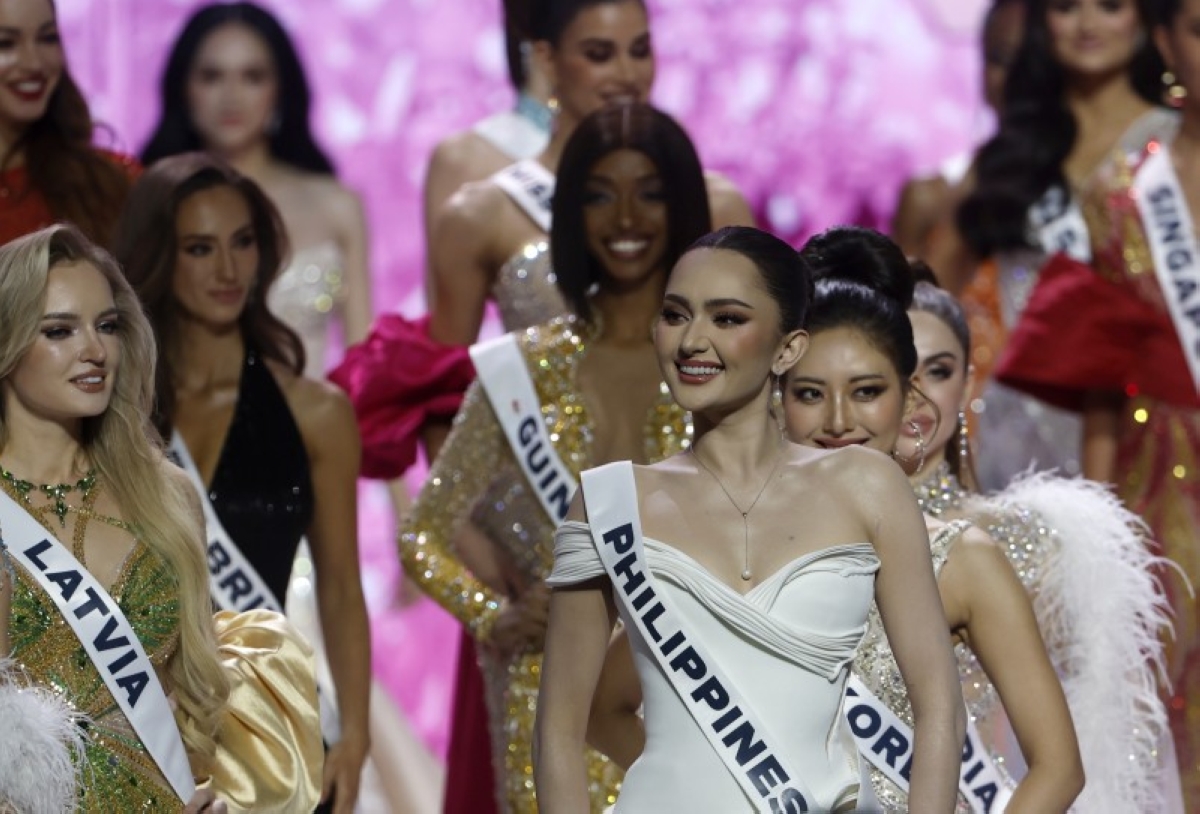

Millions across the Philippines are eagerly anticipating the Miss Universe competition this Sunday, with Ahtisa Manalo representing the nation on the global stage. For the Philippines, a country with a deep and enduring passion for pageantry, Manalo’s performance transcends a simple beauty contest; it’s a moment of national pride and a reflection of Filipino identity. The event is expected to draw massive viewership and social media engagement throughout the archipelago.
The Philippines’ fascination with beauty competitions is a cultural phenomenon, rivaling the popularity of boxing and basketball. According to reports, Filipinos routinely gather to watch both local and international pageants, viewing the contestants as inspirational figures and sources of national prestige. This year’s competition in Bangkok is no exception, with widespread public support for Manalo.
The Cultural Significance of Pageantry in the Philippines
Pageantry in the Philippines isn’t limited to the high-profile international events. Hundreds of contests occur annually at various levels – schools, local communities, and provincial festivals – creating a robust ecosystem of coaches, designers, and social media personalities dedicated to nurturing aspiring contestants. “It takes a village to create a beauty queen,” notes Jonas Gaffud, CEO of Miss Universe Philippines, a sentiment echoed by many within the industry.
A Historical Tradition
The Philippines’ connection to pageantry dates back to the Spanish colonial era and early American rule, with the Manila Carnival crowning the nation’s first beauty queens in the early 1900s. This tradition evolved into a powerful symbol of national identity, particularly after Gloria Diaz’s historic win as the first Filipina Miss Universe in 1969. That victory, watched collectively across the country, cemented pageantry’s place in the national consciousness.
The country has since become a consistent force in international pageants, boasting multiple Miss Universe titles, including recent wins by Pia Wurtzbach and Catriona Gray. This success has fueled continued participation and investment in the industry. However, the landscape is evolving, with increased inclusivity demonstrated by the emergence of male, transgender, and married beauty contests like Mrs. Universe.
Despite the glamour, the industry is known for its demands. Former Miss Universe Philippines participant Ayn Bernos has spoken about the pressures of social media scrutiny and the reinforcement of traditional beauty standards. However, there are signs of change, exemplified by Chelsea Manalo becoming the first Black Filipina to win Miss Universe Philippines last year, challenging conventional norms and inspiring a new generation.
Ahtisa Manalo’s journey embodies resilience. Growing up in Quezon province, she utilized pageant scholarships and prize money to further her education. Her composure after a stumble during the evening gown round of the national competition, ultimately leading to her victory, garnered widespread admiration. She is now entering her 18th and final pageant, acknowledging the weight of representing the Philippines.
“There’s always the pressure because of the women who came before you,” Manalo stated, “But it’s a pressure that comes from support. It means people are paying attention to what you’re doing.” Fans have demonstrated their support through gatherings at airports and public events, hoping she will add another chapter to the Philippines’ impressive Miss Universe history.
The outcome of the Miss Universe competition remains uncertain. Manalo will compete against contestants from around the world, and the judges’ decisions are always subject to interpretation. The next step is Sunday’s final competition, where Manalo will showcase her talent and advocacy on a global stage. Observers will be watching closely to see if she can secure the crown and continue the Philippines’ legacy in the world of beauty pageants and national pride.