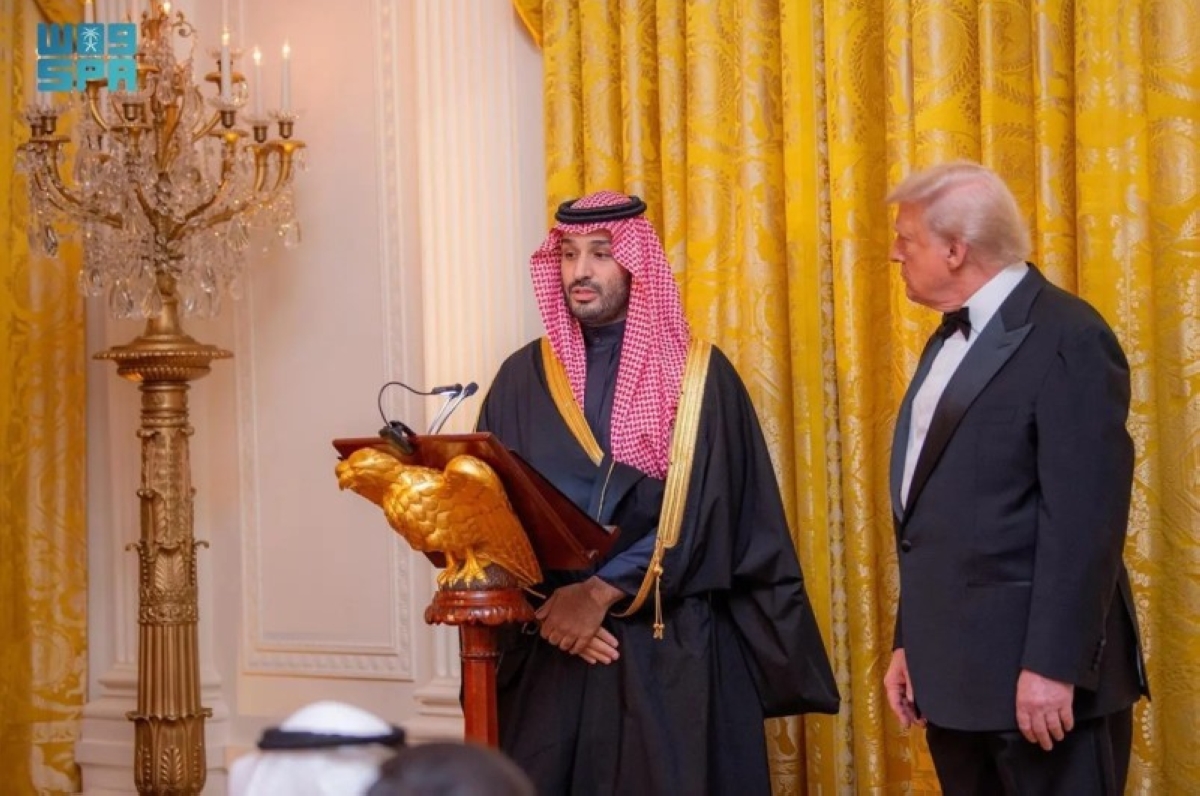

WASHINGTON — Saudi Crown Prince and Prime Minister Mohammed bin Salman received a send-off from the United States, marked by a cable of thanks sent to outgoing President Donald Trump following his recent visit to Washington. The message, delivered as Trump prepared to leave office, underscored the importance of the US-Saudi relations and the commitment to strengthening ties between the two nations. The visit, which concluded earlier this week, focused on a range of issues including security, energy, and economic cooperation.
The Crown Prince’s cable expressed deep gratitude for the hospitality extended to him and his delegation during their time in the US capital. Official discussions between the Saudi and American leaders reportedly affirmed the long-standing strategic partnership, built on decades of collaboration. This exchange of gratitude occurs during a period of transition in the United States, with a new administration set to take office.
Strengthening US-Saudi Relations: A Look at the Recent Visit
The visit itself was a significant diplomatic event, occurring in the final weeks of the Trump administration. It provided an opportunity for high-level talks on critical regional and global matters. According to sources familiar with the discussions, a key focus was maintaining stability in the Middle East, particularly concerning ongoing conflicts and the threat of terrorism.
The Crown Prince specifically highlighted the continuous efforts of both King Salman and President Trump to enhance cooperation across various sectors. This included discussions on potential arms sales, which have been a consistent element of the US-Saudi relations, and collaboration on initiatives related to Vision 2030, Saudi Arabia’s ambitious economic diversification plan. The United States has been a key partner in providing technological expertise and investment opportunities for this project.
Key Discussion Points
While details of the private meetings remain limited, several areas of focus emerged. These included:
Yemen: The ongoing conflict in Yemen was reportedly a major topic of conversation, with both sides emphasizing the need for a political solution. The US has expressed concerns about the humanitarian crisis in Yemen and has urged all parties to work towards a ceasefire.
Iran: The role of Iran in regional instability was another key point of discussion. Both Saudi Arabia and the United States share concerns about Iran’s nuclear program and its support for proxy groups in the region. The future of the Joint Comprehensive Plan of Action (JCPOA), also known as the Iran nuclear deal, was likely addressed.
Energy Policy: Given Saudi Arabia’s position as a leading oil producer, energy policy was undoubtedly on the agenda. Discussions likely centered on maintaining stable global oil markets and coordinating energy strategies. The shift towards renewable energy sources and its impact on the global energy landscape may also have been considered.
The timing of the visit, so close to the inauguration of President Joe Biden, has drawn attention from political analysts. Some observers suggest it was an attempt to solidify existing agreements and establish a baseline for future negotiations with the new administration. Others believe it was a gesture of respect towards President Trump, who has been a strong supporter of Saudi Arabia.
The outgoing administration had fostered a close relationship with Saudi Arabia, prioritizing arms sales and aligning on several key foreign policy issues. This approach differed in some respects from previous administrations, which had placed greater emphasis on human rights concerns. The incoming Biden administration has signaled a potential shift towards a more balanced approach, incorporating both strategic interests and human rights considerations into its foreign policy.
Meanwhile, the Saudi government has been actively working to diversify its economy and reduce its reliance on oil revenues. Vision 2030 aims to transform Saudi Arabia into a global investment powerhouse and a hub for innovation. The success of this plan will be crucial for the country’s long-term stability and prosperity. The United States is seen as a vital partner in achieving these goals, offering access to capital, technology, and expertise.
The US-Saudi relations have historically been complex, marked by periods of close cooperation and occasional tension. The two countries share a common interest in maintaining regional stability and combating terrorism, but they often diverge on issues such as human rights and political reform. The relationship is also influenced by broader geopolitical dynamics, including the rivalry between Saudi Arabia and Iran. The evolving foreign policy of the United States will undoubtedly shape the future trajectory of this important partnership.
Additionally, the visit occurred against the backdrop of increased scrutiny of Saudi Arabia’s human rights record, particularly following the murder of journalist Jamal Khashoggi. The Biden administration has indicated that it will review the US relationship with Saudi Arabia in light of these concerns. This review could potentially lead to changes in arms sales policies or other forms of cooperation. The issue of human rights remains a significant point of contention in the international relations of both countries.
Looking ahead, the next step will be the formal transition of power in the United States and the establishment of a new foreign policy framework. It remains to be seen how the Biden administration will approach the relationship with Saudi Arabia, and what adjustments, if any, will be made to existing agreements. Analysts will be closely watching for signals regarding the administration’s stance on arms sales, human rights, and regional security issues. The first high-level meetings between the new US administration and Saudi officials will be particularly important in setting the tone for future cooperation.
The long-term stability of the US-Saudi relations will depend on the ability of both countries to navigate these challenges and find common ground on issues of mutual interest. Continued dialogue and a commitment to addressing concerns on both sides will be essential for maintaining a strong and productive partnership.