




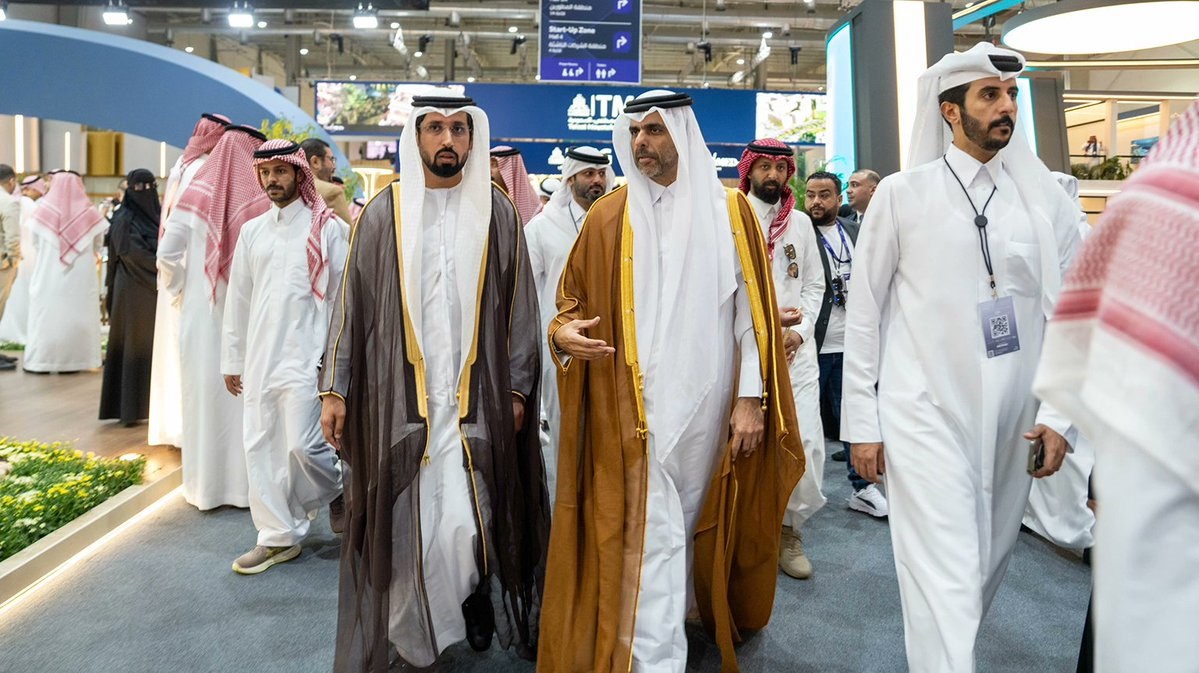

Riyadh, Saudi Arabia – A delegation from Qatar’s Real Estate Regulatory Authority (Aqarat) recently participated in the Cityscape Global 2025 Expo, a major event focused on the future of real estate and urban development. The expo, held at the Riyadh International Convention & Exhibition Center, served as a platform for Qatar to strengthen ties with Saudi Arabia and explore potential investment opportunities within the rapidly growing regional property market. The event commenced with an opening ceremony highlighting innovative approaches to urban living.
Eng. Khalid Ahmed Al Obaidli, Chairman of Aqarat, led the Qatari delegation and engaged in meetings with international officials and investors. These discussions centered on potential collaborations in real estate ventures, advancements in technology impacting the sector, and effective urban planning strategies. The participation follows a Memorandum of Understanding (MoU) signed during the 3rd Qatar Real Estate Forum last October, demonstrating a continuing commitment to regional partnerships.
Strengthening Qatar’s Position in Global Real Estate
Aqarat’s presence at Cityscape Global 2025 underscores Qatar’s ambition to be a leading player in the global real estate landscape. The country is actively diversifying its economy beyond hydrocarbons, and a robust property sector is considered crucial to this strategy. Qatar has seen significant investment in infrastructure projects in recent years, coinciding with preparations for events like the FIFA World Cup 2022, and aims to leverage this momentum.
The expo showcased a wide array of residential and commercial properties, as well as forward-looking concepts in urban development. Hundreds of exhibitors participated, offering insights into the latest trends and technologies shaping the future of cities. The event also hosted keynote speakers discussing challenges and opportunities within the property market.
Collaboration with Saudi Arabia
The strengthened ties with Saudi Arabia are a key component of Qatar’s strategy. The MoU signed in October signals a deeper level of cooperation between the two nations, particularly in regulatory frameworks and best practices for property development. According to reports, the agreement focuses on establishing common standards and facilitating cross-border investment.
Additionally, this collaboration aligns with broader goals shared by Gulf Cooperation Council (GCC) states. The participation in Cityscape Global 2025 reflects a collective ambition to achieve the United Nations Sustainable Development Goals (SDGs) within the region, particularly those pertaining to sustainable cities and communities. Focus areas include affordable housing, sustainable construction materials and improved urban infrastructure.
The Saudi Arabian property market itself is experiencing substantial growth, driven by Vision 2030 and large-scale projects like NEOM. This ambitious plan aims to diversify the Saudi economy, reduce its reliance on oil, and position the country as a global investment hub. With such transformations underway, it creates significant potential for collaboration.
Meanwhile, understanding the impact of geopolitical factors remains crucial. Fluctuations in oil prices and regional political dynamics can significantly affect investment flows and the pace of urban planning initiatives. These factors will need to be carefully monitored.
Future Outlook and Potential Impacts
The specifics of any agreements resulting from the meetings at Cityscape Global 2025 have yet to be publicly disclosed. However, industry observers anticipate that the increased collaboration could lead to joint ventures, knowledge sharing, and potentially harmonized regulatory standards. Concrete details are expected to emerge in the coming months.
Looking ahead, it will be important to monitor the implementation of the MoU between Aqarat and its Saudi counterpart. The success of these collaborative efforts will likely hinge on streamlining investment processes and addressing potential regulatory hurdles to facilitate wider participation. Continued monitoring of regional economic indicators and the trajectory of Vision 2030 will be essential to evaluate the long-term impacts of this increased cooperation.
The next steps likely involve detailed discussions on specific projects and the development of implementation plans. A timeline for the execution of these planned initiatives remains unclear, and its success will depend on navigating regional economic uncertainties and maintaining political stability.