






Oman is actively exploring ways to strengthen its economic foundations, and a key component of this strategy involves leveraging the power of Omani Waqf – Islamic endowments – for both community benefit and economic growth. Recently, the Ministry of Endowments and Religious Affairs presented a comprehensive overview of the nation’s Waqf system and its potential as a significant investment driver, as part of the “Economic Knowledge” program hosted by the Ministry of Economy. This initiative highlights a growing recognition of the role of Islamic finance and social responsibility in Oman’s future development.
Understanding the Omani Waqf System and its Economic Potential
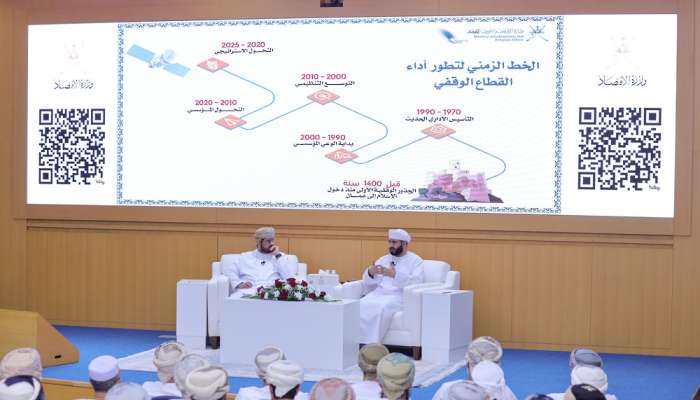
The presentation, delivered by Dr. Mohammed Said Al Ma’amari, Minister of Endowments and Religious Affairs, focused on reframing the concept of Waqf beyond its traditional charitable role. It examined Waqf from a modern economic and financial perspective, emphasizing its capacity to contribute to societal development through strategic investments and job creation. The dialogue session, titled “The Omani Endowment in Enhancing Community and Economic Investment,” underscored the importance of maximizing the impact of these assets.
Historical Growth and Current Status
Dr. Al Ma’amari detailed the financial and investment performance of endowments within the Sultanate of Oman. He showcased the substantial volume of Omani Waqf assets and their consistent growth trajectory over the past two decades. This growth is fueled by diverse revenue streams, demonstrating the inherent sustainability of the system. Understanding these financial dynamics is crucial for future planning and optimization.
Addressing Challenges and Exploring International Best Practices
While the Omani Waqf system demonstrates considerable promise, the Minister acknowledged existing challenges hindering its full economic contribution. These challenges range from regulatory hurdles to the need for more sophisticated investment strategies. Identifying and proactively addressing these obstacles is paramount to unlocking the full potential of Waqf assets.
To inform these solutions, the presentation drew valuable lessons from successful international models of Waqf management and investment. Analyzing how other nations have maximized the economic impact of their endowments provides a roadmap for adapting best practices to the unique Omani context. This comparative analysis is vital for innovation and improvement within the sector. Islamic finance principles were a key consideration in these international examples.
Future Plans and Alignment with Oman Vision 2040
The Ministry outlined ambitious future plans for developing the Omani Waqf system, focusing on enhancing its long-term sustainability. These plans are strategically aligned with the overarching goals of “Oman Vision 2040,” a national initiative aimed at building a diversified, integrated, and proactive society. A core tenet of Oman Vision 2040 is the strengthening of social responsibility and the promotion of balanced economic development.
Specifically, the Ministry intends to foster greater collaboration between the public and civil sectors, expanding the scope of Waqf-funded initiatives. This collaborative approach will ensure that Waqf resources are directed towards projects that address critical social needs and contribute to the overall well-being of the Omani population. This also includes exploring new avenues for social impact investing.
The Role of Waqf in Community Development and Social Solidarity
The presentation emphasized that the Omani Waqf is not merely a financial instrument but a powerful developmental tool. It plays a vital role in strengthening social solidarity, supporting community-led initiatives, and fostering a sense of collective responsibility. By channeling resources towards projects that benefit the wider community, Waqf contributes to a more equitable and inclusive society.
Additionally, the system supports a wide range of social programs, including education, healthcare, and poverty alleviation. These initiatives are essential for building a resilient and thriving society, and the Waqf system provides a sustainable funding mechanism for their continued operation. The focus on community initiatives is a cornerstone of the Omani approach to Waqf.
In conclusion, the Ministry of Endowments and Religious Affairs’ presentation underscored the significant potential of the Omani Waqf system to drive economic growth and enhance social well-being. By addressing existing challenges, adopting international best practices, and aligning with the goals of Oman Vision 2040, Oman is poised to unlock the full power of Waqf as a catalyst for sustainable and inclusive development. Further research into the specific investment strategies and regulatory frameworks surrounding Omani Waqf will be crucial for stakeholders seeking to contribute to this evolving landscape.