






The Sultanate of Oman is undergoing a remarkable period of development, driven by a comprehensive national infrastructure agenda. Represented by the Ministry of Transport, Communications and Information Technology (MTCIT), the nation has made significant strides in 2025, particularly in bolstering its infrastructure development, accelerating digital transformation, and empowering its citizens. This progress is evidenced by substantial investments and a commitment to Omanization across key sectors.
Strategic Investments Fueling Growth
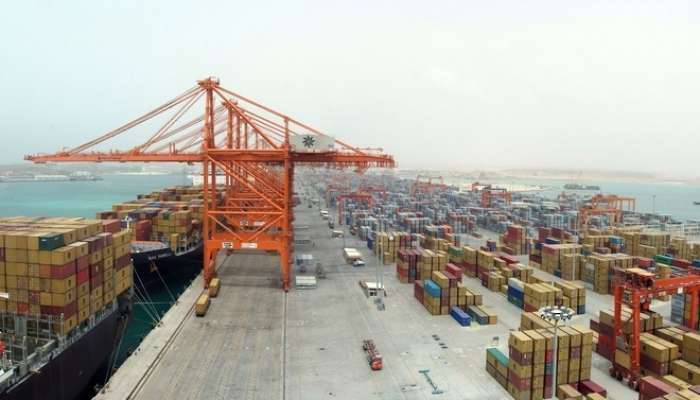
A cornerstone of Oman’s advancement has been strategic financial commitment. By September 2025, the logistics sector had attracted over RO 2.6 billion in investment, while the communications and IT sector received nearly RO 140 million. This influx of capital is directly translating into tangible improvements in the nation’s capabilities and competitiveness. The MTCIT has demonstrated a strong partnership with the private sector, disbursing over RO 1.2 billion for developmental projects since 2020, with more than RO 227 million allocated in the current year alone. This financial support is crucial for fostering innovation and driving economic diversification.
Omanization Programs: Empowering the National Workforce
Alongside infrastructure improvements, the MTCIT is prioritizing the development of a skilled Omani workforce. The 2025 Employment and Omanization Program has yielded impressive results. The Omanization rate in the information and communication technology sector reached approximately 67% of the total workforce, encompassing technical, specialized, and leadership roles. Similarly, the logistics sector achieved an Omanisation rate of around 59% in comparable positions.
Maritime Sector Development
Recognizing the importance of the maritime industry, the Maritime Employment Initiative has successfully qualified and employed 230 Omani sailors. This initiative directly supports the growth of Oman’s maritime capabilities and provides valuable employment opportunities for its citizens. Furthermore, programs like “Makeen” have equipped over 10,000 nationals with advanced digital skills, preparing them for the demands of a rapidly evolving job market. Targeted efforts in express delivery have also integrated hundreds of Omanis into the workforce.
Enhanced International Standing
Oman’s dedication to progress is reflected in its improved performance in several key international indicators. In the 2024 E-Government and M-Government Services Maturity Index (issued by the United Nations Economic and Social Commission for Western Asia – ESCWA), the Sultanate advanced by 6%. This demonstrates a commitment to providing efficient and accessible digital services to citizens and businesses.
The Sultanate also achieved a notable 25-position leap in the 2025 Postal Development Index (Universal Postal Union), securing first place in the Arab world and 50th globally. Furthermore, Oman ranked first in West Asia and ninth globally in Open Data for 2024. These achievements were reinforced by membership in the Postal Investment Council for the period 2025-2029.
Leading the Way in the Digital Economy
Oman’s leadership extends to the digital economy, as highlighted by the Digital Economy Explorer Index. The nation topped regional rankings in the Digital Inclusion pillar, demonstrating a commitment to ensuring that all segments of society have access to digital opportunities. It also achieved regional leadership in the Gender Equality pillar, showcasing a dedication to inclusivity.
Impressively, Oman achieved a perfect score (100 points) in the Tech Innovation Legislation and Governance pillar, and a strong 92.9 points in the Communications and Information Technology Sector Legislation pillar. This indicates a robust and supportive regulatory environment for the growth of the digital economy. Overall, Oman saw a 44.5% increase in Digital Innovation performance, 36.2% growth in Digital Inclusion, 33.5% in core ICT activities, and 29.3% in Digital Finance compared to 2024.
Ongoing and Future Projects
The MTCIT is currently overseeing the completion of 60 development projects valued at over RO one billion. Significant progress is being made on key road projects, including the Sultan Turki bin Said project (A’Sharqiyah Expressway – Part Two), which is 74% complete, and the Sultan Faisal bin Turki Road project (Daba – Lima – Khasab road), currently at 58% completion – exceeding planned progress by 6.27%. Dualization projects on Sultan Said bin Taimur Road and the Izki – Nizwa – Southern Qaroot road are also underway, alongside asphalt road construction in the Harwib – Mitan area.
Additionally, the development of Al Mouj Road and associated improvements to 18 November Road are progressing, and preparations are being finalized for the Muscat Expressway expansion project. These transport infrastructure upgrades are vital for improving connectivity and facilitating economic activity.
Sustainable Transport and Innovation
Oman is actively pursuing sustainable transport solutions. Over 160 public and private electric vehicle chargers have been installed and are operational across the country, supported by the “Shahen” national application for locating and utilizing these chargers. The operation of the first hydrogen production and distribution station in the Sultanate, in partnership with Shell Oman, marks a pioneering step towards reducing emissions in the heavy transport sector.
Furthermore, initiatives focused on green ship recycling and supplying ships with electrical power while berthing at Sohar Port demonstrate a commitment to environmentally responsible maritime practices. The development of a green methanol production facility is also planned, furthering Oman’s dedication to reducing carbon emissions in the shipping industry. The launch of the National Generative AI Language Model and the Oman Digital Triangle initiative showcase the nation’s commitment to digital transformation and innovation.
Strengthening Cybersecurity and Governance
Recognizing the importance of a secure digital environment, the MTCIT launched the new National Electronic Authentication service (Thiqa) and the Cybersecurity Industry Monitoring Center. The inauguration of two new cybersecurity industry centers at leading universities further strengthens Oman’s capabilities in this critical area. The enactment of the Electronic Transactions Law and other key regulations demonstrates a commitment to establishing a robust legal framework for the digital age.
In conclusion, the Sultanate of Oman is making substantial and sustained progress in its infrastructure development and digital transformation journey. Through strategic investments, a focus on Omanization, and a commitment to sustainability and innovation, the nation is positioning itself as a regional leader and a thriving hub for economic growth. The initiatives launched in 2025 lay a strong foundation for continued success in the years to come.