






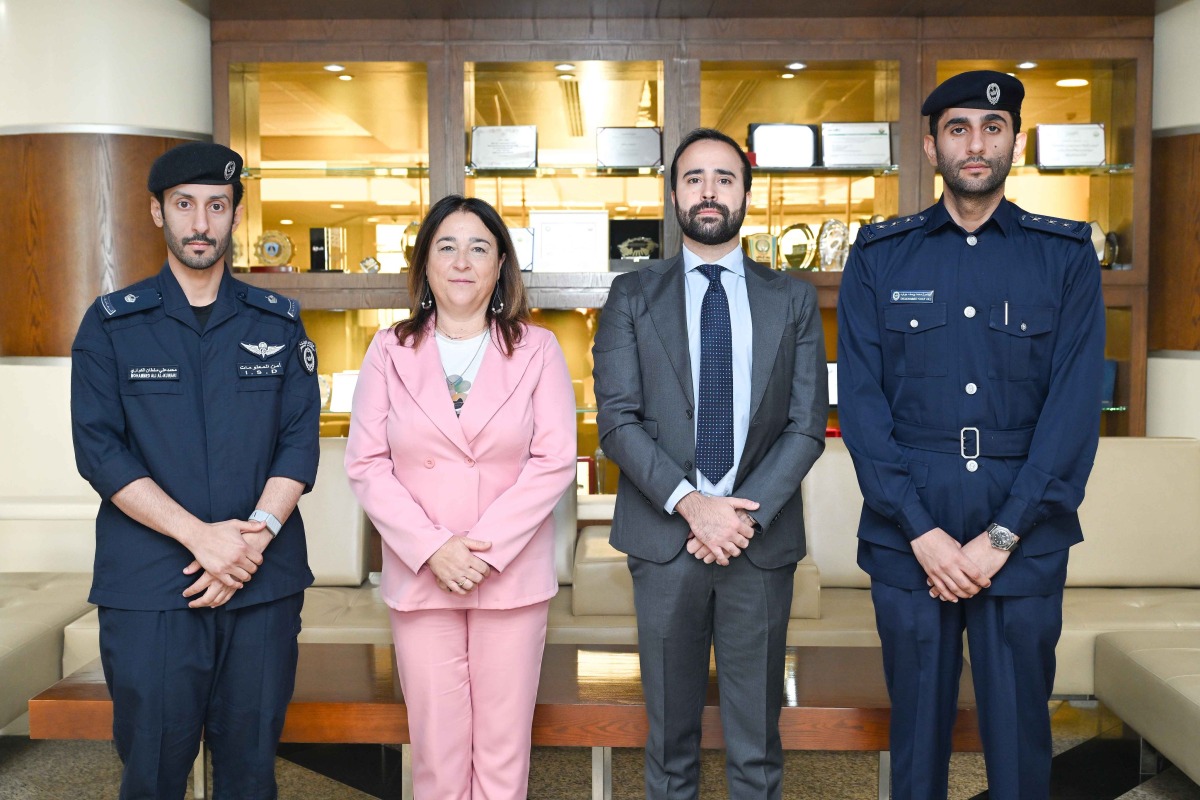

Doha, Qatar – A delegation from Italy’s Ministry of the Interior and representatives of the Italian Carabinieri visited the information security department at the General Directorate of Communications and Information Systems of Qatar’s Ministry of the Interior (MOI) on Wednesday. The visit underscores growing international collaboration in cybersecurity and aims to bolster defenses against evolving digital threats. The exchange focused on sharing expertise and exploring advanced technologies in the realm of online security.
According to a report from The Peninsula Qatar, the delegation’s visit occurred within the broader context of strengthening security cooperation between Qatar and Italy. Officials from both countries have consistently emphasized the importance of joint efforts to combat transnational crime and safeguard critical infrastructure, with a particular focus on protective measures for sensitive national data. The visit took place at the MOI headquarters in Doha.
Strengthening Qatar’s Cybersecurity Posture
The meeting provided an opportunity for the Italian delegation to receive a detailed overview of Qatar’s information security operations, including the department’s structure and methodologies. Qatar has significantly invested in its cybersecurity capabilities in recent years, driven by its hosting of major international events and an increasing reliance on digital technologies across various sectors. This investment reflects an understanding of the growing sophistication of cyberattacks targeting national interests.
Areas of Focus
Topics discussed likely included threat intelligence sharing, incident response protocols, and the implementation of cutting-edge security solutions. The Italian Carabinieri possess extensive experience in investigating cybercrime, including financial fraud and data breaches, making their insights particularly valuable. Additionally, Qatar officials would have presented their own strategies for protecting against emerging threats, such as ransomware and state-sponsored attacks.
The discussion of technologies used by both nations suggests a potential for future collaboration on research and development. These technological explorations will likely cover areas like intrusion detection systems, encryption methods, and digital forensics. The Ministry of the Interior indicated that the exchange of information will contribute to the development of capabilities on both sides, enhancing their collective ability to address ever-changing threats.
However, maintaining a robust cybersecurity infrastructure requires continuous investment and adaptation. While the visit represents a positive step, sustained collaboration and ongoing training will be crucial to ensuring long-term security. The increasing reliance on cloud computing and the proliferation of Internet of Things (IoT) devices also present new challenges for network security, demanding constantly evolving defenses.
Meanwhile, Italy and Qatar share a mutual interest in regional stability and the prevention of cyberattacks that could disrupt essential services or undermine economic growth. This shared goal provides a strong foundation for continued cooperation in areas beyond information technology, such as counter-terrorism and law enforcement. Strengthened digital security is seen as a critical component of broader national security strategies for both countries.
In contrast to purely defensive measures, proactive threat hunting and vulnerability assessments are becoming increasingly important. Both Qatar and Italy recognize the need to identify and address potential weaknesses in their systems before they can be exploited. This requires a continuous cycle of testing, monitoring, and improvement, as well as a skilled workforce capable of responding to complex security incidents. Analyzing recent data breaches globally underlines the need for this work.
Looking ahead, the ministries are expected to establish a framework for ongoing exchange programs and joint training exercises. The details of this framework, including specific timelines and areas of collaboration, are still under development. It remains uncertain how quickly these initiatives will be implemented, however, officials suggest that a formal agreement outlining future cooperation could be finalized within the next six months. Further announcements regarding specific collaborative projects are anticipated in the coming months, as both nations prioritize protecting their critical infrastructure and citizen data.