






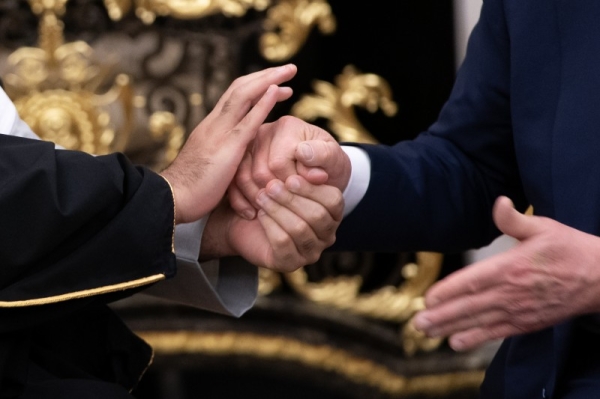

Saudi Arabia and the United States have formalized a strategic partnership focused on artificial intelligence, aiming to position the Kingdom as a global technology hub. The agreement, signed with the backing of Crown Prince Mohammed bin Salman and former U.S. President Donald Trump, will facilitate American investment and technology transfer to support Saudi Arabia’s rapidly developing AI sector. This collaboration represents a significant step in the Kingdom’s Vision 2030 diversification plan, moving beyond its traditional reliance on oil revenue.
The deal, announced alongside other bilateral agreements, grants Saudi Arabia access to advanced U.S. AI systems and resources. It was finalized during recent high-level discussions between officials from both countries, signaling a renewed commitment to strengthening ties in critical technology areas. The partnership is expected to spur economic growth and innovation within Saudi Arabia, while also providing opportunities for U.S. companies.
Expanding Saudi Arabia’s Artificial Intelligence Capabilities
The core of the agreement centers on three key areas. First, it aims to increase the availability of advanced Graphics Processing Units (GPUs) – essential components for AI development – within Saudi Arabia. Second, it will accelerate the construction of AI infrastructure, including large-scale hyperscale data centers. Finally, the partnership will foster joint research and development initiatives and promote the exchange of knowledge between American and Saudi institutions, according to official statements.
These pillars are designed to create a comprehensive ecosystem for AI innovation. Access to powerful computing resources like GPUs is often a bottleneck for AI projects, and addressing this is crucial for progress. Hyperscale data centers provide the necessary storage and processing power to handle the massive datasets required for training and deploying AI models.
Strategic Advantages for the Kingdom
Saudi Arabia possesses several inherent advantages that make it an attractive location for AI investment. The country holds a leading position in the global energy market, providing a stable economic base. Additionally, it has vast tracts of land suitable for building the large data centers needed to support AI operations.
Its geographic location also serves as a strategic bridge between East and West, facilitating access to diverse international markets. Perhaps most importantly, Saudi Arabia is investing heavily in developing a skilled workforce in digital technologies, creating the largest pool of tech talent in the region. This focus on human capital is seen as vital for long-term success in the AI field.
The new AI partnership isn’t occurring in isolation. It’s part of a broader effort to deepen cooperation between Riyadh and Washington across multiple sectors. A Joint Declaration was also signed to finalize negotiations on Civil Nuclear Energy Cooperation, potentially leading to a multi-billion-dollar partnership over decades. This collaboration will prioritize nonproliferation standards and position U.S. companies as preferred partners.
Furthermore, a Critical Minerals Framework was established to enhance collaboration in securing and diversifying supply chains for essential minerals. This is a growing concern for both nations, as these minerals are vital for manufacturing advanced technologies, including those used in artificial intelligence and renewable energy. The agreement aims to reduce reliance on single suppliers and build more resilient supply chains.
The timing of these agreements is noteworthy. They come as the global landscape for technology and geopolitical influence shifts. Both the U.S. and Saudi Arabia recognize the importance of maintaining a competitive edge in emerging technologies like AI. This partnership is viewed by analysts as a way to strengthen their bilateral relationship and address shared economic and security interests.
The development of artificial intelligence in Saudi Arabia is also linked to the Kingdom’s broader economic transformation goals. Vision 2030 aims to reduce dependence on oil, diversify the economy, and create new opportunities for its citizens. AI is seen as a key enabler of these goals, with the potential to drive innovation across various sectors, including healthcare, finance, and transportation.
However, challenges remain. Building a robust AI ecosystem requires significant investment in infrastructure, talent development, and regulatory frameworks. Ensuring data privacy and security is also paramount. The success of this partnership will depend on the ability of both countries to address these challenges effectively and create a conducive environment for AI innovation. The development of machine learning and related fields will be crucial to this success.
Looking ahead, the next steps involve establishing detailed implementation plans for each of the agreements. This will include identifying specific projects, allocating resources, and setting timelines for completion. The initial focus is expected to be on building the necessary infrastructure and launching joint research initiatives. The long-term impact of these partnerships remains to be seen, and will be contingent on sustained commitment and collaboration from both sides. Monitoring the progress of GPU access and data center construction will be key indicators of success, as will tracking investment in data science education and research.
While the agreements signal a strong intent to cooperate, geopolitical factors and potential shifts in political leadership in either country could introduce uncertainties. The ongoing evolution of global technology standards and regulations will also require continuous adaptation and coordination.