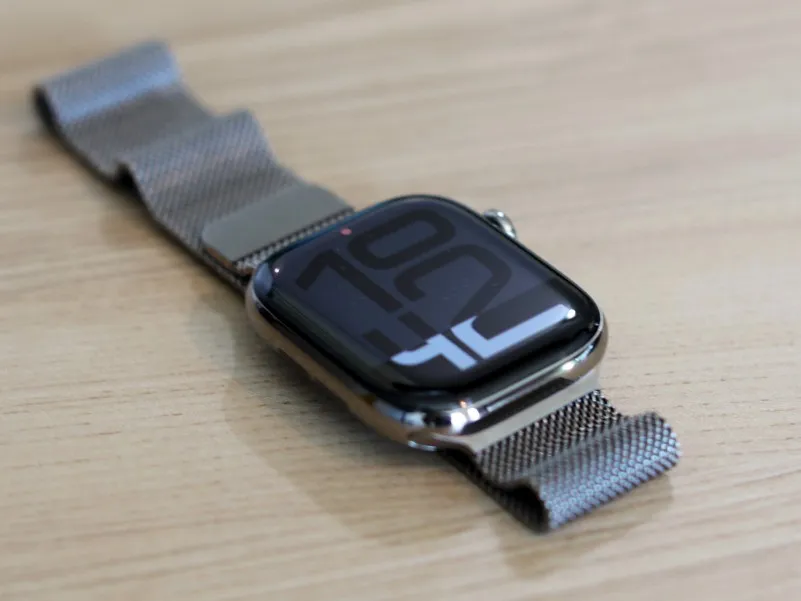

A federal jury in California on Friday ordered Apple to pay medical technology company Masimo $634 million for infringing a patent related to pulse oximetry technology used in the Apple Watch. The verdict centers on claims that Apple incorporated Masimo’s blood oxygen-monitoring features into its popular smartwatch, sparking a long-running legal battle over intellectual property. This ruling follows previous decisions impacting the availability of the blood oxygen feature on newer Apple Watch models.
The jury found that Apple’s workout mode and heart rate notification features violated Masimo’s patent, according to Reuters. The dispute highlights the increasing intersection of technology and healthcare, and the challenges companies face in protecting innovative medical technologies. Apple has stated its intention to appeal the decision.
The Masimo vs. Apple Patent Dispute: A Deep Dive into Pulse Oximetry
The core of the conflict lies in pulse oximetry, a non-invasive method for measuring blood oxygen saturation. Masimo is a leading innovator in this field, developing sophisticated sensors and algorithms used in hospitals and clinical settings. The company alleges that Apple deliberately copied its technology after hiring several Masimo employees, including its former chief medical officer.
Timeline of Legal Battles
The legal proceedings began several years ago, with Masimo filing multiple patent infringement lawsuits against Apple. In 2023, the U.S. International Trade Commission (ITC) sided with Masimo, issuing an import ban on Apple Watches equipped with blood oxygen-monitoring capabilities. This ban initially led Apple to remove the feature from subsequent Apple Watch models sold in the United States.
However, Apple responded in August 2024 by introducing a workaround. The new implementation measures and calculates blood oxygen readings on the user’s paired iPhone, rather than directly on the Apple Watch itself, aiming to circumvent the ITC ban. This move, however, has triggered further legal action.
Ongoing Legal Challenges
Masimo is currently suing U.S. Customs and Border Protection, arguing that the agency improperly approved the import of Apple Watches utilizing the new iPhone-based blood oxygen implementation. Meanwhile, Apple has appealed the ITC’s import ban to a federal appeals court, seeking to overturn the restriction. The company maintains that its technology does not infringe on Masimo’s patents and that the ITC’s decision was flawed.
In a separate development, Apple filed a countersuit against Masimo, alleging patent infringement related to Apple’s watch designs. A jury ruled in Apple’s favor in this case, awarding the company the statutory minimum payment of $250. This outcome, while small in comparison to the $634 million judgment against Apple, demonstrates the reciprocal nature of the legal conflict.
Implications for the Wearable Health Technology Market
This verdict could have significant ramifications for the broader wearable health technology market. It underscores the importance of protecting intellectual property in the rapidly evolving field of digital health. Companies investing in innovative medical technologies will likely be more vigilant in safeguarding their patents and pursuing legal recourse against potential infringers.
Additionally, the case raises questions about the boundaries of innovation and the extent to which companies can build upon existing technologies. Apple argued that the relevant Masimo patent had expired in 2022 and related to older technology. However, the jury clearly disagreed, finding sufficient evidence of infringement. The outcome may influence future legal interpretations of patent law in the context of evolving technologies like wearable sensors.
The dispute also highlights the increasing scrutiny of big tech companies entering the healthcare space. Regulators and competitors are paying close attention to how these companies develop and deploy medical technologies, ensuring compliance with safety standards and intellectual property rights. The availability of accurate health monitoring features on devices like the Apple Watch is a key area of focus.
Masimo expressed satisfaction with the jury’s decision, stating it was a “significant win” for protecting its innovations. Apple, however, remains steadfast in its position, claiming the verdict is “contrary to the facts” and plans to vigorously pursue an appeal. The company also emphasized that Masimo is primarily a medical device company that does not directly sell to consumers.
The next step in this complex legal saga will likely be Apple’s formal appeal of the $634 million judgment. The timeline for the appeals process is uncertain, but it could take several months or even years to reach a final resolution. Observers will be closely watching the proceedings to see if the ITC import ban remains in effect and how Apple continues to navigate the challenges of offering blood oxygen monitoring on its Apple Watch. The future of digital health innovation may hinge on the outcome.