






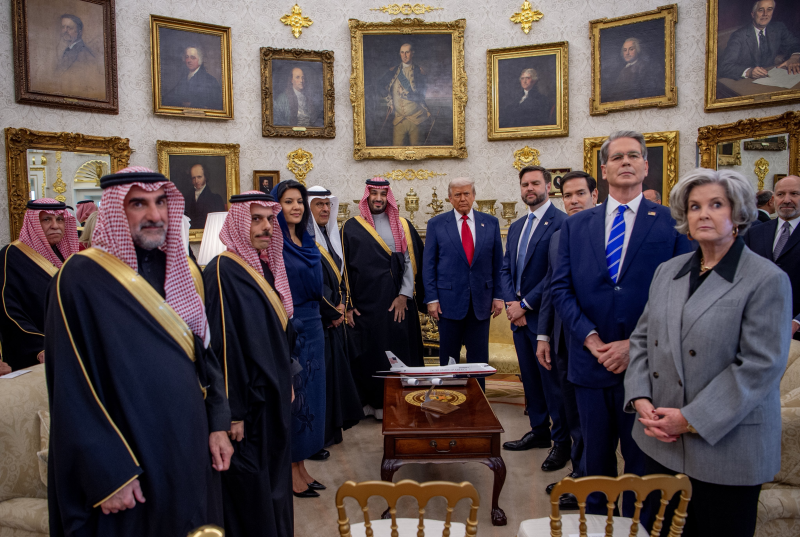

Washington D.C. – A landmark Saudi-U.S. Strategic Defense Agreement was signed Tuesday at the White House between Saudi Crown Prince and Prime Minister Mohammed bin Salman and U.S. President Donald Trump. The agreement formalizes and expands existing security cooperation between the two nations, representing a significant development in their decades-long relationship. This pact aims to bolster regional stability and address shared security concerns in the Middle East and beyond.
The signing ceremony took place at the White House on Tuesday, May 14th, solidifying a commitment to increased collaboration on defense matters. Officials from both countries emphasized the agreement’s importance in countering evolving regional threats and maintaining a balance of power. The deal builds upon over 90 years of diplomatic and economic ties between Saudi Arabia and the United States.
Strengthening the Saudi-U.S. Defense Partnership
The core objective of the Saudi-U.S. Strategic Defense Agreement is to establish a more durable and predictable framework for military cooperation. This includes enhanced joint training exercises, intelligence sharing, and the potential for collaborative development of advanced defense technologies. According to a joint statement released after the signing, the agreement is not a formal mutual defense treaty, but rather a commitment to closer coordination and support.
Key Provisions of the Agreement
While the full details of the agreement remain confidential, several key provisions have been outlined by officials. These include:
Increased collaboration on air defense systems, particularly in protecting critical infrastructure from drone and missile attacks. This is a growing concern for both nations, given recent geopolitical events in the region. Additionally, the agreement focuses on improving cybersecurity cooperation to safeguard against digital threats.
Enhanced interoperability between the Saudi and U.S. militaries, allowing for more seamless integration during joint operations. This will involve standardized training protocols and the exchange of personnel. The agreement also aims to streamline the procurement process for defense equipment, facilitating faster access to necessary technologies.
A commitment to joint deterrence efforts, aimed at discouraging aggression and maintaining regional stability. This involves a coordinated approach to addressing threats posed by state and non-state actors. The U.S. has long considered Saudi Arabia a key partner in countering terrorism and maintaining stability in the Persian Gulf.
However, some analysts suggest the agreement is largely symbolic, reflecting existing cooperation rather than introducing entirely new commitments. Others point to the potential for increased U.S. arms sales to Saudi Arabia as a significant outcome of the deal. The agreement comes amidst ongoing discussions regarding U.S. policy towards Iran and its regional influence.
Regional Implications and Geopolitical Context
The timing of the agreement is significant, occurring amidst heightened tensions in the Middle East. The ongoing conflicts in Yemen and Syria, as well as concerns over Iran’s nuclear program, contribute to the volatile security landscape. The defense agreement is viewed by some as a signal of U.S. commitment to its allies in the region, particularly as the U.S. shifts its strategic focus towards Asia.
Meanwhile, the agreement has drawn criticism from some human rights organizations, who cite Saudi Arabia’s human rights record. These groups argue that closer military cooperation with Saudi Arabia could embolden the government and undermine efforts to promote human rights and democratic reforms. The Biden administration has previously indicated a willingness to reassess its relationship with Saudi Arabia, but this agreement suggests a continuation of close security ties.
The agreement also has implications for the broader arms trade. The United States is a major supplier of military equipment to Saudi Arabia, and this deal is expected to lead to further arms sales. This has raised concerns among some lawmakers about the potential for these weapons to be used in conflicts that exacerbate humanitarian crises. The issue of arms sales to Saudi Arabia remains a contentious topic in U.S. foreign policy.
In contrast to previous administrations, the Trump administration prioritized strengthening relationships with key allies in the Middle East, viewing Saudi Arabia as a crucial partner in countering Iran and combating terrorism. This agreement represents a culmination of those efforts. The deal also aligns with Saudi Arabia’s efforts to diversify its security partnerships and reduce its reliance on the United States.
Future Outlook and Next Steps
Following the signing of the Saudi-U.S. Strategic Defense Agreement, the next step involves the establishment of a joint working group to develop detailed implementation plans. This group will be responsible for outlining specific timelines and milestones for achieving the agreement’s objectives. The initial implementation phase is expected to take several months, with a full operational framework anticipated within the next year.
However, the long-term success of the agreement will depend on several factors, including continued political will from both governments and the evolving geopolitical landscape. The potential for changes in leadership in either country could also impact the agreement’s implementation. Analysts will be closely watching for concrete evidence of increased cooperation and tangible improvements in regional security in the coming months.
The agreement’s impact on regional dynamics, particularly regarding Iran, remains uncertain. The report indicates that the U.S. and Saudi Arabia will continue to monitor the situation closely and adjust their strategies accordingly. Further developments in the region, such as negotiations over Iran’s nuclear program, could significantly influence the implementation of the defense agreement.