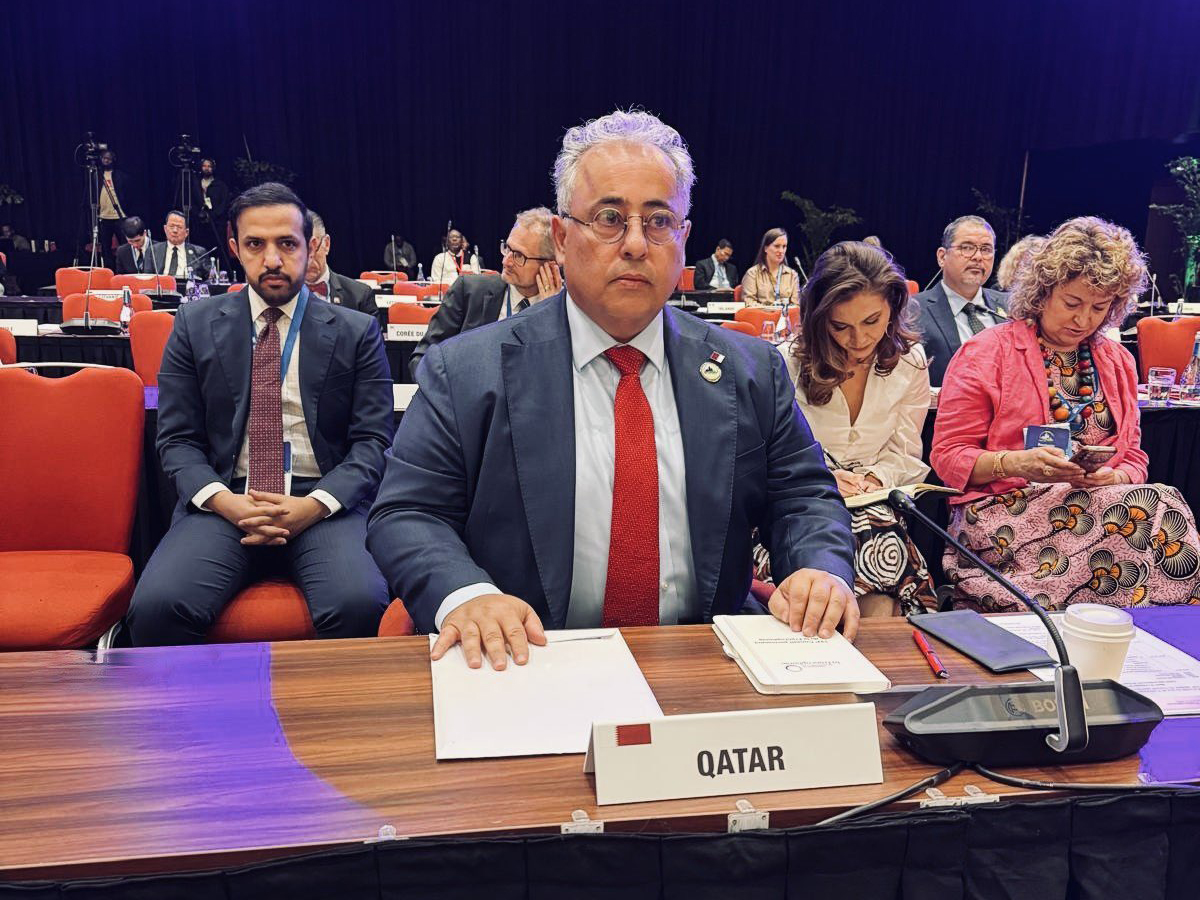

Qatar actively participated in the 132nd session of the Permanent Council of La Francophonie, held November 19, 2023, in Kigali, Rwanda. The meetings centered on reviewing progress made following the 19th Francophonie Summit and outlining preparations for the upcoming 46th Ministerial Conference. This demonstrates Qatar’s continued commitment to international cooperation and its role within the global French-speaking community.
The Qatari delegation was led by Sheikh Ali bin Jassim Al-Thani, Qatar’s Ambassador to France and its representative to the International Organization of La Francophonie. Discussions focused on accountability for commitments made at the previous summit and logistical planning for the pivotal ministerial conference, also being hosted in Kigali.
Qatar’s Role in La Francophonie and Ongoing Commitments
Qatar’s participation in La Francophonie, a grouping of 88 member states and governments representing over 300 million French speakers, signifies a growing interest in cultural and linguistic diversity on the international stage. The organization promotes cooperation in political, economic, educational, and cultural spheres. It’s notable that Qatar is one of the few Middle Eastern nations actively involved in the organization, showing a dedication to bridging linguistic and cultural divides.
The Permanent Council serves as the body responsible for the organization’s day-to-day operations between Ministerial Conferences. Its sessions offer a crucial forum for member states to discuss shared objectives and address emerging challenges. According to a statement released by the Qatari Ministry of Foreign Affairs, the country views its membership as a means of strengthening ties with Francophone nations and fostering mutual understanding.
Summit Commitments Under Review
The 19th Francophonie Summit, held in Tunisia in 2022, produced a number of key commitments. These centered around strengthening democratic values, promoting sustainable development, and supporting education and cultural exchange. The Permanent Council session served as an opportunity to assess how effectively these pledges are being implemented across the organization’s member states.
Progress reports were shared and debated, identifying areas where further action is needed. The report indicates particular attention was given to initiatives aimed at bolstering media independence and combating disinformation within the Francophonie.
Preparing for the Kigali Ministerial Conference
The 46th Ministerial Conference of La Francophonie, scheduled to take place in Kigali, is a vital event for charting the organization’s future direction. Preparations for the conference, including the agenda and expected outcomes, were key discussion points during the Permanent Council meeting. The conference provides a platform for foreign ministers from member states to set policy priorities and address pressing global issues.
Specifically, the conference is expected to address the impact of geopolitical tensions and climate change on Francophone communities. Discussions around Digital Francophonie and technological innovation were also prominent, reflecting the organization’s desire to embrace new tools for communication and development. Member states are also working to refine strategies for promoting the French language internationally, a core mandate of La Francophonie.
Additionally, focus will be on strengthening economic cooperation among member states, and potentially exploring new avenues for trade and investment. A key secondary goal of the conference is to highlight Rwanda’s role as a regional hub for innovation and sustainable development. La Francophonie’s commitment to multilateralism also played into discussions.
The Permanent Council’s meeting ultimately aimed to ensure the Ministerial Conference is productive and contributes meaningfully to addressing global challenges. While Qatar’s specific contributions to the conference agenda have not been publicly detailed, its consistent participation in La Francophonie’s governing bodies underscores its dedication to the organization’s principles.
Looking ahead, the success of the Kigali Ministerial Conference will depend on member states’ ability to forge consensus around key policy priorities. The implementation of commitments made at the conference will be closely monitored by the Permanent Council in subsequent sessions. Whether the organization can effectively translate its ambitions into concrete action remains to be seen, particularly in the face of ongoing global uncertainties.
Further information about the International Organization of La Francophonie can be found on their official website: www.francophonie.org.