
RIYADH — The Saudi Council of Ministers on Tuesday reiterated the Kingdom’s commitment to a secure and stable Middle East, aligning with the United States’ goals as Crown Prince Mohammed bin Salman continues his visit to Washington. The Cabinet affirmed the importance of strengthening the strategic partnership between Saudi Arabia and the U.S. across multiple sectors. Discussions also included recent diplomatic engagements with South Korea and Iran, underscoring the Kingdom’s broad international outreach.
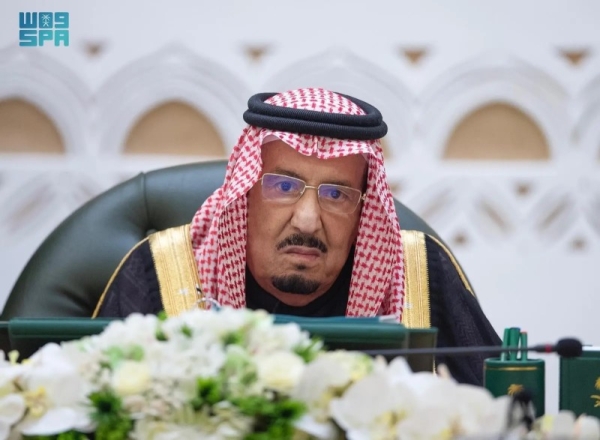
The session, chaired by King Salman, covered a wide range of domestic and international issues, signaling a continued focus on economic diversification, security, and regional stability. Minister of State Issam bin Saad bin Saeed detailed the outcomes, highlighting the government’s emphasis on collaboration and proactive engagement in key regional initiatives.
Strengthening International Relations and Regional Security
The Crown Prince’s visit to the United States is central to bolstering the long-standing strategic partnership, according to the statement released following the Cabinet meeting. This engagement seeks to enhance cooperation in areas like defense, energy, and investment. Simultaneously, Saudi Arabia is actively pursuing diplomatic avenues with other nations, evidenced by the recent exchange of messages with the leaders of South Korea and Iran.
Saudi Arabia’s dedication to regional security was further demonstrated at the 42nd meeting of the GCC Interior Ministers. The Kingdom emphasized the necessity of unified action to address security challenges, aiming to foster stability and prosperity throughout the Gulf region. This commitment seeks to create a more secure environment for its citizens and neighboring countries.
Focus on Economic Diversification and Digital Transformation
Beyond security, the Cabinet recognized significant progress in the Kingdom’s economic diversification efforts. The Riyadh Declaration, adopted during the United Nations Tourism Organization General Assembly, was lauded as a key component in driving national growth through a more inclusive and sustainable tourism sector. This declaration will serve as a blueprint for the industry’s future development.
The government also highlighted its investment in the digital economy. Crown Prince Mohammed bin Salman’s patronage of the 2026 Global AI Summit reflects the Kingdom’s ambition to establish innovation and digital transformation as central pillars of its economy. Meanwhile, the Digital Government Forum in Riyadh showcased advancements in AI-supported initiatives, revealing improvements in digital services for citizens and residents. The Kingdom aims to promote a knowledge-based economy.
Boosting Local Content and Legislative Approvals
A significant accomplishment noted by the Cabinet was the increase in localization of military spending, reaching 24.89% by the end of 2024. This demonstrates the ongoing commitment to building domestic capabilities within the defense industry, with a goal of exceeding 50% localization by 2030. This is part of the Vision 2030 plan for diversifying the Saudi economy.
Additionally, the Cabinet approved several key legislative measures aimed at enhancing regional cooperation and promoting domestic well-being. These included the Unified Industrial Regulation Law and the Unified Rules for Prevention and Protection from Domestic Violence for GCC states, adopted during the recent GCC Supreme Council meeting in Riyadh. The regulations of the National Center for Mental Health Promotion were also amended to bring it under the Ministry of Health’s purview.
Expanding Cooperation Through Memorandums of Understanding
The Cabinet authorized the signing of numerous Memorandums of Understanding (MoUs) with various international partners. These agreements cover a broad spectrum of cooperation, including development assistance through the Saudi National Development Fund, political consultations with Slovakia, and initiatives focused on Islamic affairs with Turkey. These collaborations are intended to foster stronger ties in areas of mutual interest.
Further agreements were approved with Hong Kong, Kenya, Jordan, and Singapore, covering youth development, customs cooperation, food and drug safety, and national competitiveness. The Ministry of Education also secured agreements with Oman and Russia to collaborate on education evaluation, accreditation, and technical and vocational training; aimed at enhancing the Saudi education system and improving workforce skills.
Looking ahead, the implementation of these agreements will be closely monitored, with a particular focus on progress towards the milestones outlined in Vision 2030. The success of Crown Prince Mohammed bin Salman’s U.S. visit is expected to provide further momentum for these initiatives and solidify the Saudi-US relations. Future updates on the localization targets, particularly in the military sector, will also be key indicators of the Kingdom’s progress toward economic independence and a more diversified Saudi economy.