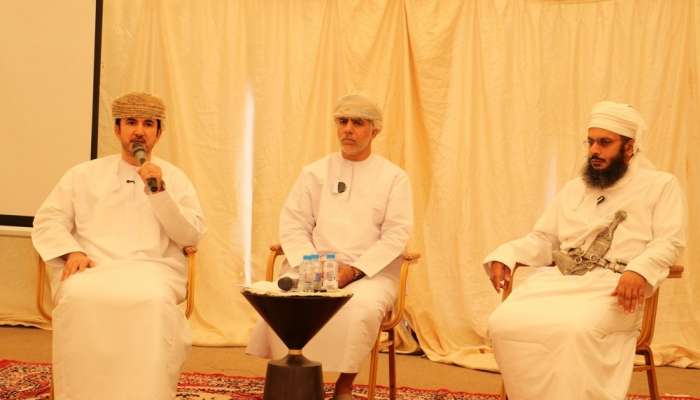

The rich historical ties between Oman and East Africa were brought into sharp focus today at the fifth edition of the “Omanis—Messengers of Peace” symposium, held in the historic Wilayat of Bahla, A’Dakhiliyah Governorate. The event underscored the significant and lasting contributions of Omani individuals to the cultural, economic, and social fabric of East African nations, particularly highlighting their role as peaceful traders and builders. This symposium serves as a crucial platform for understanding Omani influence in East Africa and preserving this important legacy.
A Deep Dive into Omani Influence in East Africa
Organized by the Office of Endowments and Religious Affairs, the symposium wasn’t simply a recounting of historical facts. It was a vibrant exploration of how Omanis actively fostered coexistence and peace throughout East Africa. Researchers and scholars presented compelling evidence of Omani contributions, moving beyond simple trade relations to demonstrate a deep engagement with the region’s development.
The Historical Context of Omani Trade
For centuries, Omani merchants were pivotal figures in the Indian Ocean trade network. Their ships connected East Africa with the wider world, facilitating the exchange of goods, ideas, and cultures. This trade wasn’t merely transactional; it was built on principles of mutual respect and fair dealing, contributing to a stable and prosperous environment. The symposium highlighted how this economic interaction laid the groundwork for lasting cultural exchange.
Beyond Trade: Omani Contributions to Urban Development
The impact of Omanis extended far beyond commerce. They played a crucial role in the urban construction of many East African cities, leaving behind a tangible architectural legacy. From the design of buildings to the implementation of innovative infrastructure, Omani expertise significantly shaped the urban landscape. This aspect of Omani influence in East Africa was a central theme of the discussions.
Cultural Discourse and Contemporary Relevance
The symposium featured a robust dialogue session that explored the enduring impact of the Omani legacy on contemporary life in East Africa. Researchers engaged in insightful discussions, examining how Omani values of tolerance, diplomacy, and peaceful coexistence continue to resonate today. This exploration wasn’t limited to historical analysis; it actively sought to understand the practical implications of this heritage for modern challenges.
Additionally, the event emphasized the importance of understanding the historical roots of current relationships. By acknowledging the positive contributions of the past, it aimed to strengthen bonds and foster continued collaboration between Oman and East African nations. The discussions also touched upon the role of Omani heritage in promoting intercultural understanding.
An Exhibition Showcasing Omani Presence
Complementing the academic discussions, an exhibition was held alongside the symposium. This exhibition provided a visual and tangible representation of the Omani presence in East Africa. It featured meticulously crafted models of historical buildings, important documents detailing trade agreements and cultural exchanges, and captivating photographs illustrating the lives of Omanis in the region.
The exhibition served as a powerful reminder of the depth and breadth of this historical connection. It allowed attendees to connect with the past in a more personal and engaging way, fostering a greater appreciation for the shared history between Oman and East Africa. The display of historical artifacts proved particularly popular with attendees.
Recommendations for Future Research and Preservation
The symposium concluded with a set of recommendations aimed at furthering research and preserving the Omani legacy in East Africa. A key recommendation was the need for more comprehensive studies to document the full extent of Omani contributions. This includes archival research, oral history projects, and archaeological investigations.
Furthermore, the recommendations stressed the importance of supporting initiatives that actively document and promote the Omani presence in East Africa. This could involve funding for museums, cultural centers, and educational programs. The goal is to ensure that this valuable history is not forgotten and continues to inspire future generations. Continued investigation into Omani-East African relations is vital.
The “Omanis—Messengers of Peace” symposium in Bahla was a resounding success, reaffirming the enduring legacy of Omani contributions to East Africa. It served as a powerful reminder of the importance of peaceful coexistence, cultural exchange, and the enduring power of historical connections. We encourage further exploration of this fascinating history and support for initiatives that preserve this vital part of our shared heritage. To learn more about Omani history and culture, explore resources available through the Office of Endowments and Religious Affairs and related academic institutions.