






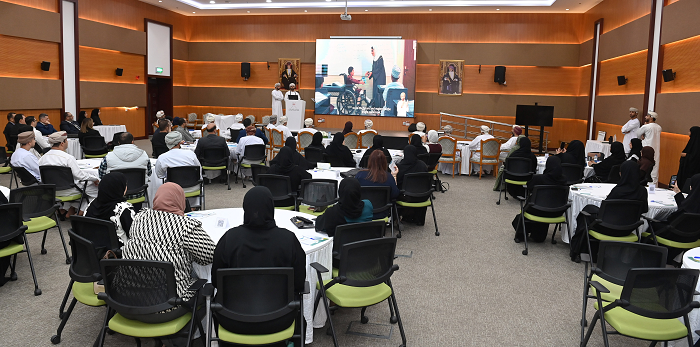

Oman has taken a significant step forward in enhancing the care and support available to its citizens with disabilities. The Ministry of Social Development recently hosted an introductory workshop in A’Seeb focused on a new disability services standards guide, designed to streamline licensing and classification of institutions providing vital support. This initiative reflects a commitment to inclusivity and improved quality of life for individuals with disabilities throughout the Sultanate.
Introducing the National Guide on Disability Services Standards
The workshop, held at the National Autism Center in the Wilayat of A’Seeb, officially unveiled the comprehensive national guide on standards for licensing and classification. It was held under the patronage of Sulaiman Nasser Al Hajji, Undersecretary of the Ministry of Health for Administrative and Financial Affairs, underscoring the collaborative effort between various governmental bodies. The guide acts as a pivotal resource for organizations dedicated to supporting individuals with a range of disabilities.
A Product of Collaborative Development
This crucial disability services standards guide isn’t simply a set of rules; it’s the outcome of the “Laboratory for Developing Services to Persons with Disabilities” program. The program aimed to create a practical and effective framework for enhancing the sector. Dr. Nadia Ali Al Ajmi, Director of the National Autism Center (and the project leader in charge of the Guide’s Preparation), explained the detailed workings of the guide during a presentation. The ultimate goal of this new framework is to create a standardized and high-quality environment for service delivery.
Key Areas Covered in the Workshop
The workshop wasn’t just a presentation of the guide itself. It delved into the practical implications of its implementation, with three dedicated working papers tackling specific aspects of the new regulations. These sessions covered the nuances of licensing procedures, the criteria for classifying institutions, and the essential elements of maintaining high service quality – all integral components of improved inclusive services.
Licensing Requirements Explained
Mohammed Manee led a focused discussion on licensing requirements, leaving no stone unturned. The presentation clearly outlined the processes for securing licenses for a variety of institutions. This included detailing requirements for institutions owned by individuals, those operating through partnerships, and the necessary qualifications for professional staff within both private and non-governmental settings. He highlighted the importance of adhering to legal and health standards throughout the licensing process.
Classification and Quality Assurance
Tamer Aliu-Deen and Dr. Ayman Magdy co-presented a working paper dedicated to classification and quality assurance. The session addressed the criteria used to classify institutions which cover rehabilitation centres affiliated with the Ministry of Social Development, private schools offering support to students with disabilities, and rehabilitation centres under the Ministry of Health. This classification system is designed to ensure transparency and provide parents and individuals with disabilities with clear benchmarks for assessing the quality and suitability of available services. Maintaining consistent specialized care is a priority.
The Impact of the New Standards
The overarching goal of the new standards is to encourage a more inclusive society where individuals with disabilities have equal opportunities to thrive. The guide aims not just to regulate, but also to promote transparency and accountability within the sector. This, in turn, is expected to stimulate innovation and attract investment, ultimately leading to the improvement of programs and services offered. Additionally, it fosters a safe and efficient environment for receiving support.
The new disability services standards will impact a wide range of facilities. The practical framework aims to standardize operations while upholding the rights and needs of individuals with disabilities. It underscores a commitment to aligning local practices with international best practices, fostering a culture of continuous improvement.
Looking Ahead: Implementation and Continuous Improvement
This introductory workshop is only the first step in a broader implementation process. The Ministry of Social Development plans to continue engaging with stakeholders – including institutional leaders, practitioners, and advocates – to ensure the successful adoption of the new guidelines. Feedback will be actively solicited and incorporated to refine and enhance the standards over time, ensuring they remain relevant and effective in meeting the evolving needs of the community.
The initiative signifies Oman’s dedication to providing comprehensive support and empowering individuals with disabilities. By emphasizing quality, transparency, and accessibility, the new disability services standards promise to create a more inclusive and equitable future for all. To learn more about initiatives related to supporting people with disabilities in Oman, please visit the Ministry of Social Development’s website or contact the National Autism Center.