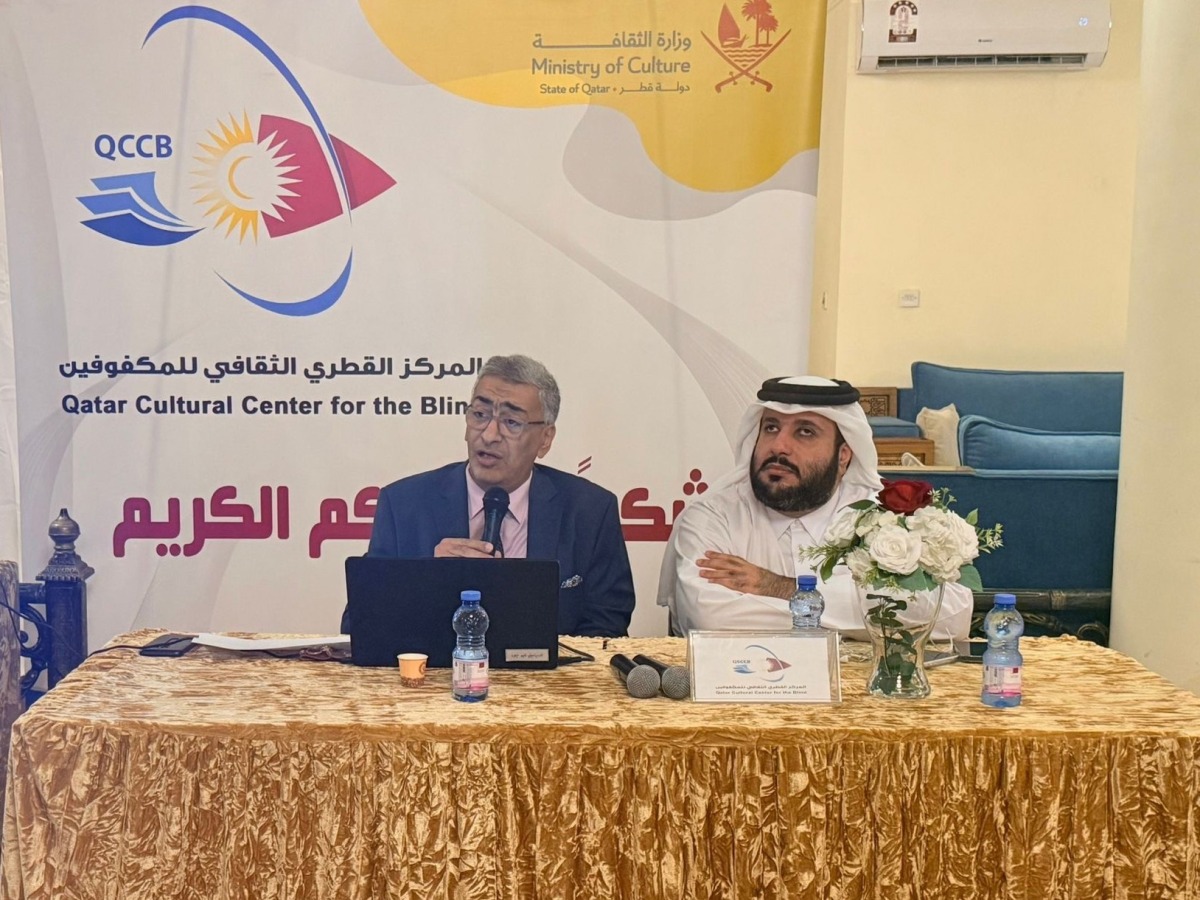

Doha, Qatar – The Qatar Social and Cultural Center for the Blind (QSCCB) recently hosted a lecture focused on psychological support for families of individuals with visual impairments, in observance of World Children’s Day 2025. The event, held at the center’s facilities, aimed to increase awareness and provide practical guidance to families navigating the challenges of raising children with visual impairments. Experts emphasized the critical role of family well-being in fostering a supportive environment.
The lecture, delivered by Dr. Tarek Al Aisawi, Advisor to the Qatar Society for Rehabilitation of Special Needs (QSRSN), addressed the unique stressors faced by families and offered strategies for coping and accessing available resources. The event underscores Qatar’s commitment to inclusive social services and the importance of mental health support within the community. It took place on an unspecified date in November 2025, according to reports from local media.
The Importance of Psychological Support for Families
Providing adequate psychological support for families is paramount when a child is diagnosed with a visual impairment. The initial diagnosis can be emotionally overwhelming, leading to feelings of grief, anxiety, and uncertainty about the future. Dr. Al Aisawi highlighted that addressing the emotional needs of parents and siblings is as crucial as providing direct care to the child.
Addressing Common Mental Health Concerns
Dr. Al Aisawi’s presentation detailed how various demographic groups within Qatar are particularly vulnerable to mental health challenges. Adolescents, women, and the elderly, especially those dealing with chronic illnesses or significant life pressures, are at increased risk of developing mental disorders, according to his analysis. This underscores the need for targeted interventions and accessible mental healthcare services.
However, the lecture specifically focused on the pressures experienced by families caring for individuals with disabilities. These pressures can stem from financial burdens, social stigma, and the demanding nature of providing specialized care. The Qatari government, according to Dr. Al Aisawi, offers a comprehensive system of services designed to alleviate these burdens and improve the quality of life for these families.
Additionally, the lecture explored different types of psychological support available, including individual counseling, family therapy, and support groups. These interventions aim to help families adapt to their new circumstances, reduce stress, and develop effective coping mechanisms. Practical tips were offered on how to positively manage these pressures and build resilience.
In contrast to solely focusing on the challenges, Dr. Al Aisawi emphasized that psychological well-being is a foundational element of empowering families. By prioritizing mental health, families can more effectively navigate daily obstacles and advocate for the needs of their children with visual impairments. This proactive approach fosters a more positive and supportive family dynamic.
The discussion also touched upon the broader issue of special needs support in Qatar. The country has been actively working to enhance accessibility and inclusion for individuals with disabilities, including investing in educational resources, assistive technologies, and vocational training programs. These initiatives aim to promote independence and participation in all aspects of society.
Meanwhile, the QSCCB plays a vital role in providing specialized services and advocacy for the blind and visually impaired community in Qatar. The center offers a range of programs, including educational workshops, social activities, and rehabilitation services, designed to empower individuals and promote their full inclusion. The center’s work aligns with Qatar’s National Vision 2030, which prioritizes human development and social welfare.
Looking ahead, the QSCCB plans to continue offering similar workshops and training sessions for families and caregivers. The center is also exploring opportunities to expand its outreach programs and collaborate with other organizations to raise awareness about visual impairments and promote inclusive practices. Further details regarding the implementation of these plans and the availability of additional family support resources are expected to be announced in early 2026, pending budgetary approvals and logistical considerations.