
The Sultanate of Oman is joining the global community in celebrating the International Day Against Illicit Trafficking in Cultural Property on November 14. This day is dedicated to raising awareness about the importance of protecting cultural property from illicit trafficking and highlighting the need for international cooperation to combat this issue. Oman’s rich cultural heritage, comprising various forms of tangible and intangible assets, makes its participation in this global effort particularly significant.
Understanding the Importance of Cultural Property Protection
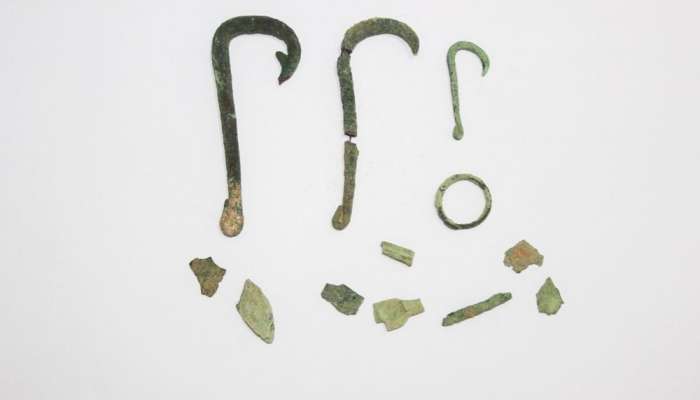
The Ministry of Heritage and Tourism in Oman has emphasized that tangible cultural heritage is a vital part of a nation’s identity and civilizational legacy. Illicit trafficking in cultural property not only results in the loss of cultural assets but also has negative consequences on the identity and heritage of communities. Oman’s cultural heritage includes a wide range of artifacts such as pottery, flint vessels, seals, arrowheads, coins, and meteorites, which are significant not only to Oman but also to the global cultural landscape.
Oman’s Efforts in Preserving Cultural Heritage
To protect its cultural heritage, the Ministry of Heritage and Tourism has undertaken several initiatives aimed at preserving and sustaining Omani cultural assets. These efforts include fostering awareness about the importance of cultural heritage, building the capacities of relevant entities, and implementing measures to prevent the sale, smuggling, and theft of cultural property. The Ministry maintains continuous coordination with international organizations and participates in relevant meetings and workshops to stay updated on best practices in cultural heritage protection.
Establishing the Omani Cultural Heritage Register
One of the significant steps taken by Oman is the establishment of the Omani Cultural Heritage Register, as stipulated in Article 33 of the Omani Cultural Heritage Law issued by Royal Decree No. (35/2019). This register is a comprehensive database that documents cultural property in Oman, making it easier to track and manage cultural assets. The Register has a dedicated website and electronic application that allows citizens, private, and government museums to list their cultural property. Specialists at the Ministry examine, register, and document the cultural property, issuing a registration certificate for each item. This process not only helps in preserving cultural heritage but also aids in preventing illicit trafficking by making it harder for stolen or looted items to be sold or traded.
The Role of International Cooperation
The phenomenon of illicit trafficking in cultural property is a global issue that requires international cooperation and solidarity. Oman recognizes the importance of international agreements in combating this issue and has ratified several agreements aimed at protecting cultural heritage. By working together with other countries and international organizations, Oman is contributing to global efforts to protect cultural property and prevent its illicit trafficking.
Conclusion
As Oman celebrates the International Day Against Illicit Trafficking in Cultural Property, it reaffirms its commitment to protecting its rich cultural heritage. Through initiatives like the Omani Cultural Heritage Register and by engaging in international cooperation, Oman is taking significant steps towards preserving its cultural assets for future generations. The protection of cultural property is a collective responsibility that requires the involvement of governments, international organizations, and communities. By working together, we can ensure the preservation of our cultural heritage and prevent the loss of cultural identity due to illicit trafficking. As we move forward, it is crucial to continue raising awareness and implementing effective measures to safeguard our cultural heritage, not just in Oman but around the world. This collective effort is essential for the sustainability of our cultural legacy and the enrichment of our global cultural diversity.