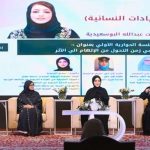

Qatar’s Audit Bureau recently participated in a high-level capacity-building seminar on developing competencies for auditing and assurance of sustainability in the public sector, held in Geneva, Switzerland. The four-day seminar brought together representatives from various supreme audit institutions to discuss the growing importance of sustainability reporting.
The seminar was attended by Assistant President for Performance and Compliance Oversight, Jassim Abdulaziz Al Mannai, and Head of Compliance Audit Ahmed Mohammed Al Abdullah, representing the Audit Bureau. The event highlighted the pivotal role of supreme audit institutions in auditing and ensuring transparency in sustainability disclosures, according to the participants.
Sustainability Reporting and Auditing
Sustainability reporting has become increasingly important in the public sector, as governments and institutions strive to provide transparent information about their environmental, social, and governance (ESG) practices. The seminar emphasized the need for effective auditing and assurance mechanisms to ensure the credibility of sustainability reports. In this context, the role of supreme audit institutions is crucial in providing independent oversight and assurance.
The participants discussed various approaches to auditing sustainability reports, including the use of international standards and guidelines. The seminar also explored the challenges and opportunities associated with auditing sustainability disclosures, such as the need for specialized skills and expertise. However, the event highlighted that many supreme audit institutions are still in the process of developing their capacity to audit sustainability reports effectively.
Capacity Building and International Cooperation
The seminar was part of a broader effort to build the capacity of supreme audit institutions in the area of sustainability auditing. The event provided a platform for representatives to share their experiences and best practices in auditing sustainability reports. According to the participants, international cooperation and knowledge sharing are essential in this regard, as they enable supreme audit institutions to learn from each other and adopt best practices.
Additionally, the seminar highlighted the importance of collaboration between supreme audit institutions, regulatory bodies, and other stakeholders in promoting transparency and accountability in sustainability reporting. Meanwhile, the participants noted that the development of international standards and guidelines for sustainability auditing is an ongoing process, with various organizations and initiatives working together to promote consistency and comparability.
Future Developments
The report indicates that the Audit Bureau is expected to continue its efforts to develop its capacity in auditing sustainability reports. As the importance of sustainability reporting continues to grow, the role of supreme audit institutions will become increasingly critical in ensuring the credibility and transparency of sustainability disclosures. The next steps in this process are likely to involve further capacity building and international cooperation, although the exact timeline and details remain uncertain.
In contrast to the progress made in some countries, many supreme audit institutions still face significant challenges in auditing sustainability reports. As the field continues to evolve, it will be important to watch for developments in international standards and guidelines, as well as the approaches adopted by different countries and institutions. For more information on sustainability reporting and auditing, visit the International Organization of Supreme Audit Institutions (INTOSAI) website.