
Enhancing Military Readiness: Kuwaiti Army’s Strategic Focus
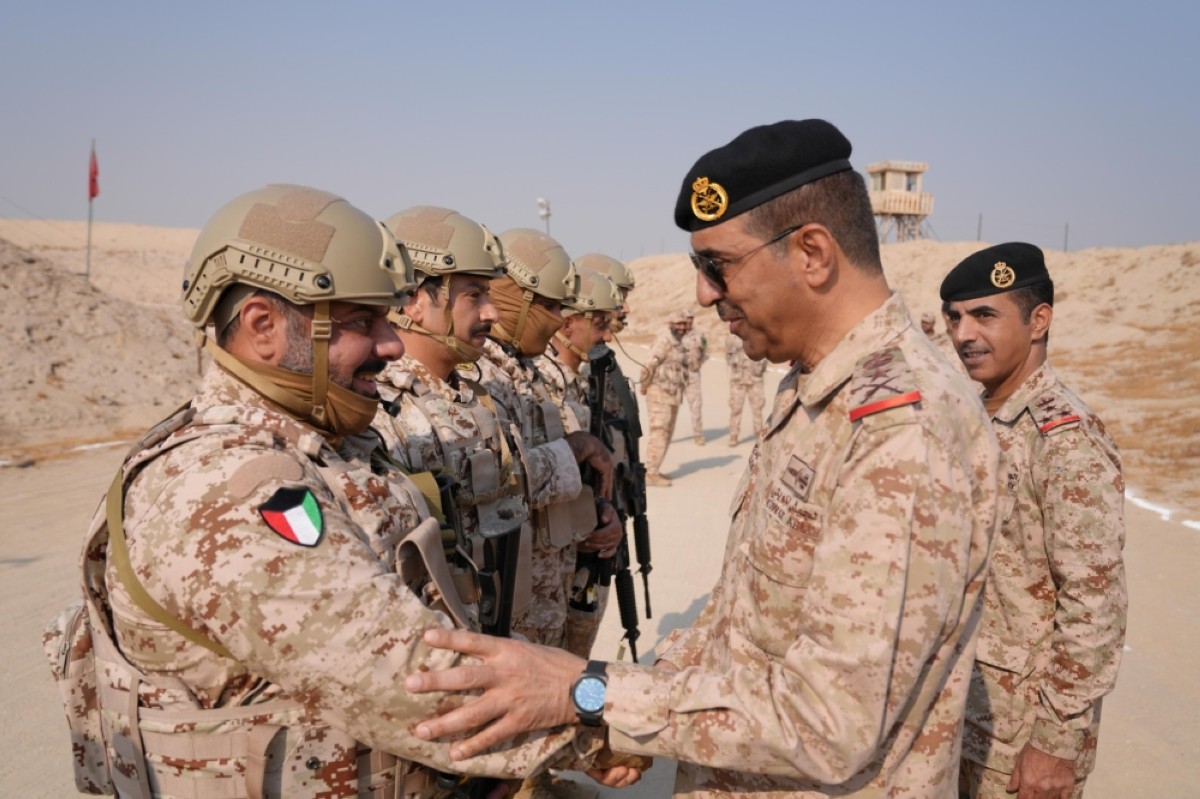
The Kuwaiti Army is intensifying its efforts to maintain peak readiness and operational effectiveness. Chief of the General Staff of the Kuwaiti Army, Lt Gen Khaled Al-Shuraian, recently visited the 94th Mechanized Brigade (Saleh Al-Mohammad) to review its training programs and practical applications. This visit underscores the importance of military readiness in the region, highlighting the army’s commitment to enhancing its capabilities.
Strengthening Training Programs
During his visit, Al-Shuraian emphasized the need for continuous training, joint exercises, and qualification programs to ensure the highest levels of operational readiness. He toured several facilities within the brigade, assessing its training infrastructure and observing the implementation of various exercises. The visit aimed to evaluate the brigade’s preparedness to carry out missions efficiently, reflecting the army’s proactive approach to military preparedness.
The Kuwaiti Army’s focus on advanced training is a strategic move to bolster its defense capabilities. By conducting regular joint exercises and qualification programs, the army ensures that its personnel are equipped to handle diverse operational scenarios. This approach not only enhances the army’s combat readiness but also fosters a culture of excellence among its troops.
Evaluating Performance and Capabilities
Al-Shuraian expressed his pride in the high level of performance, organization, and discipline displayed by the brigade’s personnel. He commended their efforts in implementing training programs and enhancing combat efficiency, underscoring the importance of maintaining high standards in military operations. The visit included a comprehensive briefing on the brigade’s duties, responsibilities, and training plans, which are designed to elevate its military effectiveness.
The briefing highlighted the brigade’s role in contributing to the overall defense strategy of Kuwait. By focusing on training and qualification, the brigade is better positioned to respond to potential threats, ensuring the security and stability of the region. Al-Shuraian’s visit demonstrated the army’s commitment to continuous improvement and its dedication to achieving operational excellence.
Fostering a Culture of Excellence
The Kuwaiti Army’s emphasis on training and readiness is part of a broader strategy to foster a culture of excellence within its ranks. By prioritizing military training and operational preparedness, the army is able to maintain a high level of combat readiness. This approach not only enhances the army’s capabilities but also ensures that it remains a credible deterrent against potential threats.
As the geopolitical landscape continues to evolve, the Kuwaiti Army’s focus on military readiness remains a critical component of its defense strategy. By maintaining peak operational effectiveness, the army is well-positioned to respond to emerging challenges and protect national interests. The visit by Al-Shuraian to the 94th Mechanized Brigade serves as a testament to the army’s commitment to excellence and its proactive approach to enhancing military preparedness.
The Kuwaiti Army’s efforts to strengthen its training programs and enhance operational readiness are crucial in maintaining regional security. As the army continues to prioritize military readiness, it is likely to remain a key player in regional defense initiatives. The ongoing commitment to training and qualification programs will ensure that the army remains capable of addressing a wide range of operational scenarios, thereby contributing to the stability and security of the region.
In conclusion, the Kuwaiti Army’s focus on enhancing military readiness is a strategic imperative that underscores its commitment to operational excellence. Through its emphasis on training, joint exercises, and qualification programs, the army is well-positioned to maintain peak readiness and respond effectively to emerging challenges. As the army continues to prioritize military preparedness, it is likely to remain a cornerstone of regional security and stability.