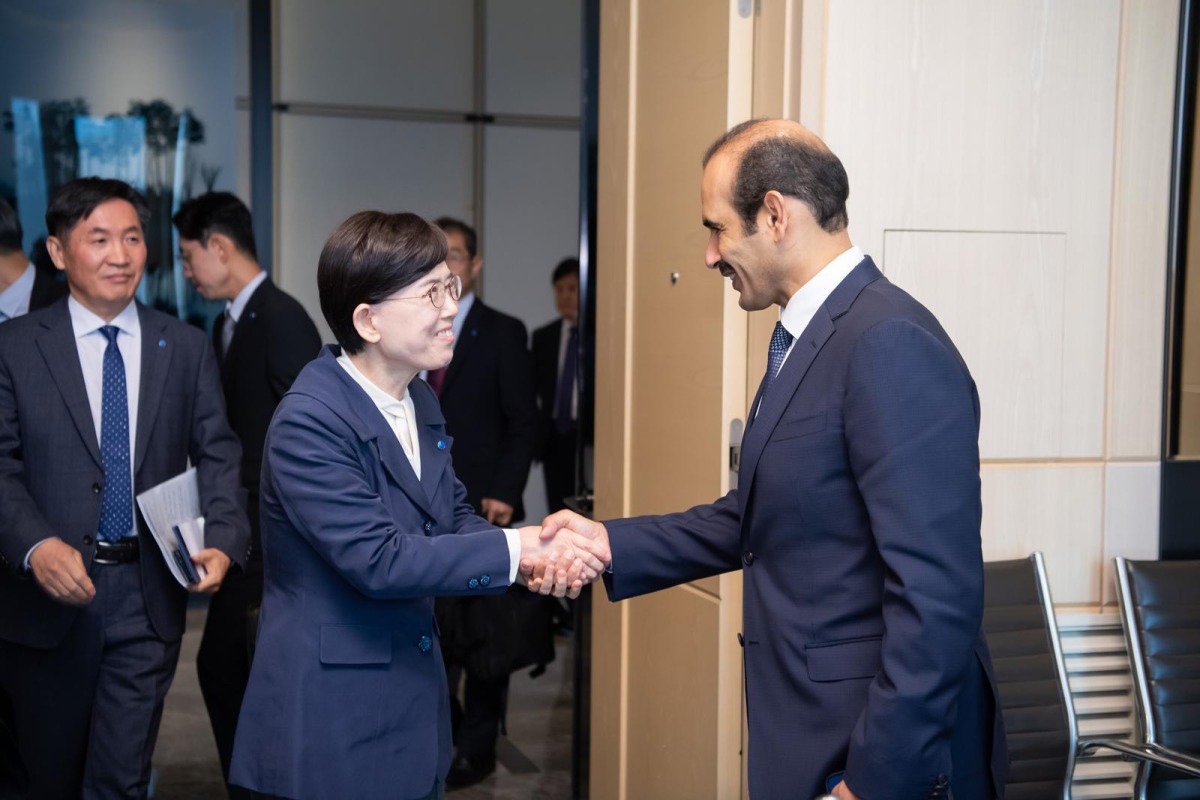

Qatar’s Minister of State for Energy Affairs, HE Saad Sherida Al-Kaabi, recently met with Korea Gas Corporation (KOGAS) President and CEO Choi Yeon-Hye in the Republic of Korea to discuss ways to strengthen bilateral cooperation in the energy sector, particularly in liquefied natural gas (LNG). The meeting highlighted Qatar’s ongoing efforts to expand its LNG exports to key markets.
The discussions between Al-Kaabi and Choi took place as part of Qatar’s efforts to solidify its position as a leading LNG supplier. KOGAS is one of the largest buyers of Qatari LNG, making it a crucial partner for QatarEnergy. The two sides explored opportunities to enhance their business relationship and improve the terms of their existing agreements.
Enhancing LNG Cooperation
The meeting underscored the importance of the LNG trade between Qatar and South Korea. According to the Ministry of State for Energy Affairs, the talks focused on ways to increase the volume of LNG exports and improve the efficiency of existing supply chains. Qatar has been working to expand its LNG production capacity to meet growing global demand, with several major projects underway.
KOGAS, as a significant player in the Korean energy market, plays a vital role in securing the country’s energy needs. The corporation has been a long-standing partner of QatarEnergy, and their collaboration has been instrumental in meeting South Korea’s growing demand for LNG. The recent meeting indicated a mutual interest in deepening their partnership further.
Strengthening Bilateral Energy Ties
The discussions between Al-Kaabi and Choi also touched on the broader context of energy security and the role of LNG in the global energy mix. As the world transitions towards cleaner energy sources, LNG is expected to play an increasingly important role. Qatar, with its significant LNG reserves and production capabilities, is well-positioned to capitalize on this trend.
QatarEnergy has been actively engaging with international partners to secure long-term LNG sale and purchase agreements. The meeting with KOGAS is part of these efforts, aimed at ensuring a stable and secure supply of LNG to key markets. The agreement is expected to support Qatar’s goal of increasing its LNG production capacity to 142 million tons per annum by the end of the decade.
However, the global LNG market is highly competitive, with several major producers vying for market share. Qatar faces stiff competition from other LNG-exporting countries, including the United States and Australia. To maintain its competitive edge, Qatar is focusing on improving the efficiency of its LNG production and supply chain operations.
Future Prospects
While the outcome of the meeting between Al-Kaabi and Choi was positive, the future of LNG cooperation between Qatar and South Korea will depend on various factors, including global energy demand and market dynamics. The next step in their partnership is expected to be the signing of a new LNG sale and purchase agreement, potentially by the end of the year, according to sources familiar with the matter. However, the exact terms and timing of such an agreement remain uncertain.
As the global energy landscape continues to evolve, the partnership between Qatar and KOGAS will be closely watched. The success of their collaboration will depend on their ability to adapt to changing market conditions and navigate the complexities of the global LNG trade. With the global demand for LNG expected to grow, Qatar is well-positioned to remain a key player in the market, and its partnership with KOGAS is likely to play a significant role in shaping the future of the LNG trade between the two countries.
For more information on Qatar’s energy sector and its LNG exports, you can visit the QatarEnergy website. Additionally, KOGAS’s official website provides updates on the company’s activities and partnerships in the energy sector.