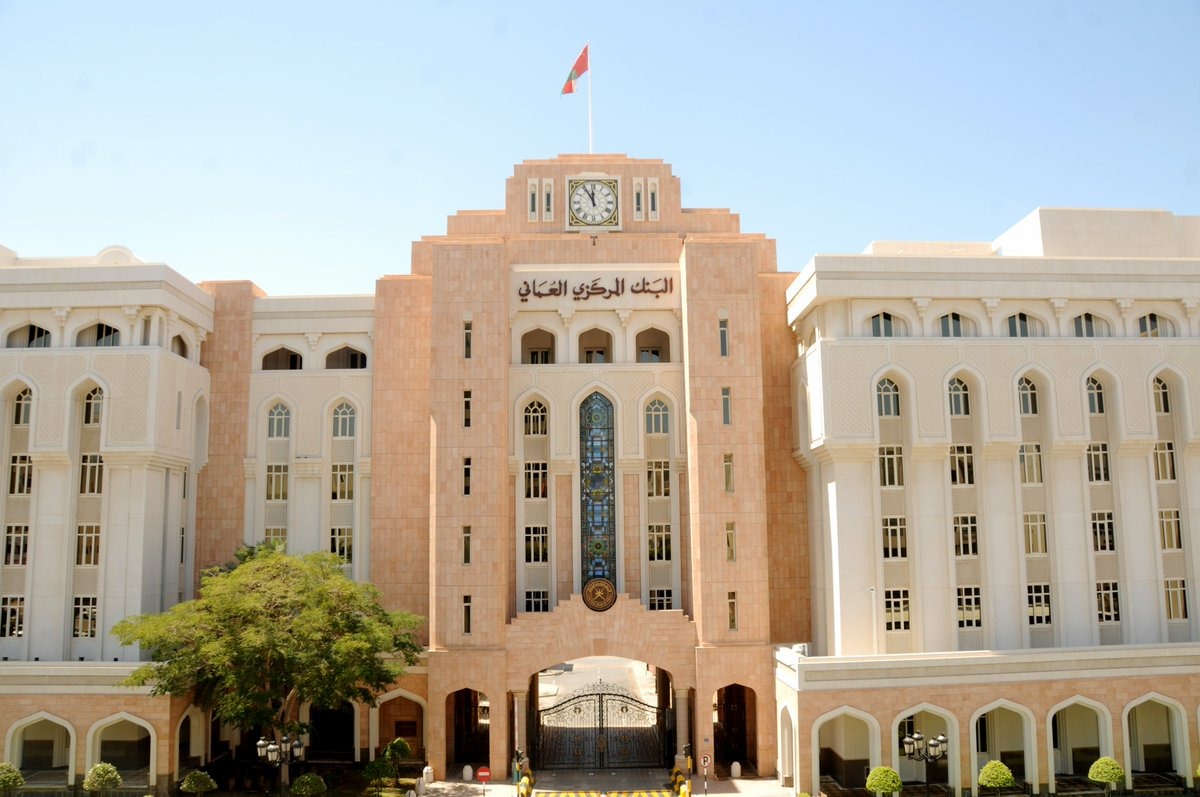

The Oman Central Bank (OCB) has announced the allocation of OMR 12.5 million in government treasury bills for this week. The treasury bills are a key financial instrument used by the Omani government to manage its short-term funding needs.
According to the OCB’s statement, the allocation was made on [insert date] in Muscat. The OCB issues treasury bills on behalf of the government to finance its activities and manage liquidity in the financial system.
Treasury Bill Allocations and Interest Rates
The OCB’s allocation included OMR 3 million in 28-day treasury bills, with an average accepted price of OMR 99.755 per 100 Omani rials. The average discount rate for these bills was 3.19375 percent, resulting in an average yield of 3.20159 percent. However, the bank also allocated OMR 8.5 million in 91-day treasury bills, with an average accepted price of OMR 99.059 and a minimum acceptable price of OMR 99.055.
The average discount rate for the 91-day treasury bills was 3.77455 percent, and the average yield was 3.81041 percent. The repurchase rate set by the OCB on these bills is 4.75 percent, while the discount rate on treasury bill facilities stands at 5.25 percent. The treasury bill rates are influenced by various factors, including the overall state of the economy and global market trends.
Implications for Oman’s Economy
The OCB’s treasury bill allocations and interest rates have implications for Oman’s economy and financial markets. The treasury bill rates can affect the overall direction of interest rates in the country, influencing borrowing costs for businesses and individuals. According to financial analysts, the current interest rate environment is expected to remain stable, with some forecasts suggesting a potential shift in monetary policy in the future.
Additionally, the demand for treasury bills can provide insights into investor sentiment and the overall health of the financial system. The OCB’s regular auctions of treasury bills help to maintain liquidity in the financial system and provide a benchmark for other interest rates in the country.
Short-term Prospects
In the short term, market participants will be watching for further developments in Oman’s financial markets, including any changes to interest rates or monetary policy. The OCB is expected to continue monitoring the economy and adjusting its policies as needed to maintain financial stability. Meanwhile, investors will be analyzing the results of future treasury bill auctions to gauge the direction of interest rates and the overall health of the financial system.
As the OCB continues to manage the government’s funding needs and maintain liquidity in the financial system, market participants will be looking ahead to the next treasury bill auction. The outcome of these auctions will provide valuable insights into the current state of Oman’s economy and financial markets, and may influence the direction of interest rates and monetary policy in the future. With the global economic landscape continuing to evolve, the OCB’s actions will be closely watched by investors and analysts alike.