





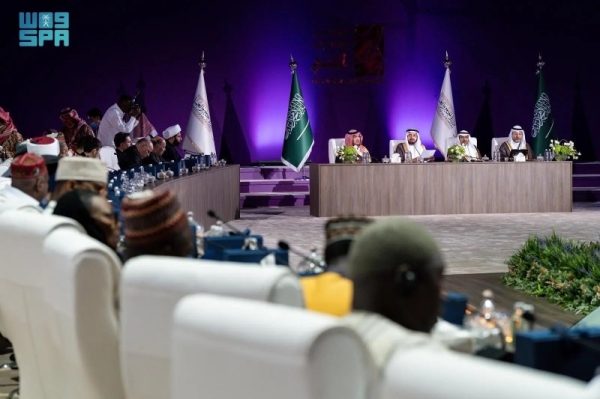

The Minister of Hajj and Umrah, Tawfiq Al-Rabiah, held a semiannual meeting with heads of Hajj offices from Islamic countries on Monday, on the sidelines of the fifth edition of the Hajj Conference and Exhibition in Jeddah. The gathering brought together over 100 ministers, grand muftis, and heads of Hajj offices to discuss preparations for the upcoming 1447 AH Hajj season.
During the meeting, Al-Rabiah commended Hajj offices for their efforts in ensuring the success of the previous Hajj season and urged those who had not yet done so to finalize their contracts by Rajab 15, 1447 AH, corresponding to January 4, 2026. This, he emphasized, was crucial for delivering quality services to pilgrims.
Key Requirements for the 1447 AH Hajj Season
Al-Rabiah outlined several key regulatory requirements for the coming Hajj season. The ministry has set specific deadlines for finalizing camp service contracts and accommodation contracts in Makkah and Madinah. According to the minister, camp service contracts must be finalized by Rajab 15, while accommodation contracts should be completed by Shaban 13, corresponding to February 1, 2026.
Additionally, the minister stressed the importance of submitting applications for the issuance of Hajj visas before Shawwal 1, corresponding to April 20, 2026. The ministry will not grant extensions beyond this date, and Hajj offices are expected to raise public awareness to prevent unauthorized Hajj pilgrimages.
Measures to Enhance Pilgrim Services
To protect pilgrims from exploitation and misinformation, the ministry has called for the publication of awareness campaigns in collaboration with relevant authorities. Hajj offices are also required to obtain a “health capability certificate” signed by the head of the office and the medical delegation leader as a prerequisite for visa issuance. This certificate will be verified through the Masar electronic platform.
Furthermore, the ministry has mandated that all payments for sacrificial animals be processed exclusively through official Hajj offices and the Saudi Project for the Utilization of Hady and Adahi. Dealings with unauthorized entities are strictly prohibited. The Nusuk card, the ministry said, will be mandatory for entry to the Grand Mosque and other holy sites, underscoring the need for pilgrims to comply with this requirement.
Streamlining Hajj Operations
The Minister of Hajj and Umrah emphasized that the measures outlined during the meeting are designed to enhance the efficiency of services provided to pilgrims and boost coordination with relevant domestic and international bodies. To achieve this, Hajj offices are required to upload administrative, medical, and media personnel data starting from Jumada Al-Awwal 19, corresponding to November 10, and complete submissions before Rajab 1.
Additionally, the ministry has directed Hajj offices to finalize airline selections and flight slot reservations before Rajab 15. All administrative and financial transactions will be conducted via the Nusuk Masar platform, the ministry said, to streamline operations and reduce bureaucratic hurdles.
As the Hajj season approaches, the Kingdom is expected to continue its efforts to improve the pilgrimage experience. The next steps and deadlines will be closely watched by Hajj offices and pilgrims alike, with the ministry’s requirements and guidelines playing a crucial role in shaping the upcoming season.