






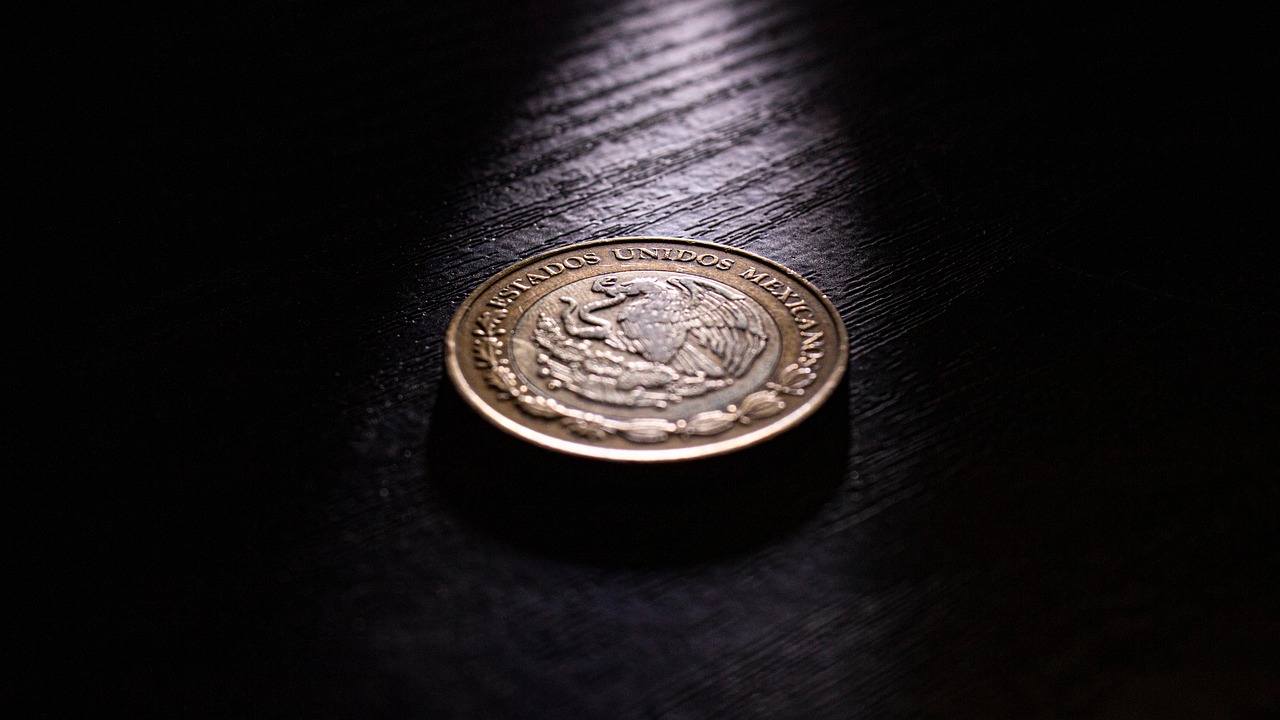

The Mexican Peso showed signs of strength against the US Dollar after the core PCE inflation gauge fell below expectations, which could lead to Fed rate cuts that would weaken the Greenback. However, ongoing political uncertainties in Mexico could dampen the demand for the Peso. Additionally, the Bank of Mexico (Banxico) has revised its GDP forecasts for 2024 and 2025, indicating slower growth and potential rate cuts in the future.
Mexico’s economic docket was quiet during the week, but political uncertainty related to judiciary reform and bills proposed by President Andres Manuel Lopez Obrador could make investors uneasy as the new Mexican Congress takes office. Banxico Governor Victoria Rodriguez Ceja warned that any adjustments to interest rates would be gradual, depending on macroeconomic conditions.
Most banks expect Banxico to cut rates by at least 50 basis points for the remainder of 2024, which could further pressure the Mexican Peso that has already depreciated by 15.38% year-to-date. On the US side, the core PCE inflation gauge dipped on an annual basis, while the University of Michigan Consumer Sentiment survey in August showed improvement for the first time in five months.
The decision by Mexican President Lopez Obrador to pause relations with the US and Canadian ambassadors may continue to weigh on the Mexican Peso. US core PCE readings for July indicated a rise in prices of 2.6%, consumer spending increased, but income growth was sluggish, raising doubts about the sustainability of the pace. The UoM’s US Consumer Sentiment for August improved, with inflation expectations for the near term and medium-term remaining stable.
Technical analysis shows that the USD/MXN pair remains in an uptrend but has dropped below 19.70 as traders anticipate Fed rate cuts. The RSI is mixed, suggesting that sellers could have the upper hand in the short term. Support levels for the pair are at 19.50, 19.02, and the 50-day SMA at 18.59, while resistance levels are at 20.00, 20.22, 20.57, 20.82, and 21.00.
The Mexican Peso’s value is influenced by various factors, including the performance of the Mexican economy, central bank policy, foreign investment levels, and remittances from Mexicans living abroad. Geopolitical trends, nearshoring decisions by companies, and oil prices also impact the Peso. Banxico aims to maintain stable inflation levels through appropriate interest rate adjustments, which can affect the strength of the Peso. Macroeconomic data releases and investor sentiment also play a significant role in determining the value of the Mexican Peso in the foreign exchange market.