






By using this site, you agree to the Privacy Policy and Terms of Use.
Accept
Gulf PressGulf Press
  • Home
  • Gulf News
  • World
  • Business
  • Technology
  • Sports
  • Lifestyle
Search
Countries
More Topics
  • Health
  • Entertainment
Site Links
  • Customize Interests
  • Bookmarks
  • Newsletter
  • Terms
  • Press Release
  • Advertise
  • Contact
© 2023 Gulf Press. All Rights Reserved.
Reading: Blood test may identify ‘signatures’ to predict onset of 67 diseases
Share
Notification Show More
Latest News
MoJ graduates over 180 legal trainees as part of expanding national training effort
Gulf
Russian gas and oil in Europe done for good, Energy Commissioner says
World
MoHAP awards M42 for supporting over 110,000 hypertension screenings
Gulf
Etihad opens direct Kazan route as part of 2025 network expansion
Business
New unicorn Brevo raises $583M to challenge CRM giants
Technology
Aa
Gulf PressGulf Press
Aa
  • Gulf News
  • World
  • Business
  • Entertainment
  • Lifestyle
  • Sports
Search
  • Home
  • Gulf
  • Business
  • More News
    • World
    • Technology
    • Lifestyle
    • Entertainment
    • Sports
Have an existing account? Sign In
Follow US
  • Terms
  • Press Release
  • Advertise
  • Contact
© 2023 Gulf Press. All Rights Reserved.
Gulf Press > Health > Blood test may identify ‘signatures’ to predict onset of 67 diseases
Health

Blood test may identify ‘signatures’ to predict onset of 67 diseases

News Room
Last updated: 2024/07/29 at 11:43 AM
News Room
Share
4 Min Read
SHARE

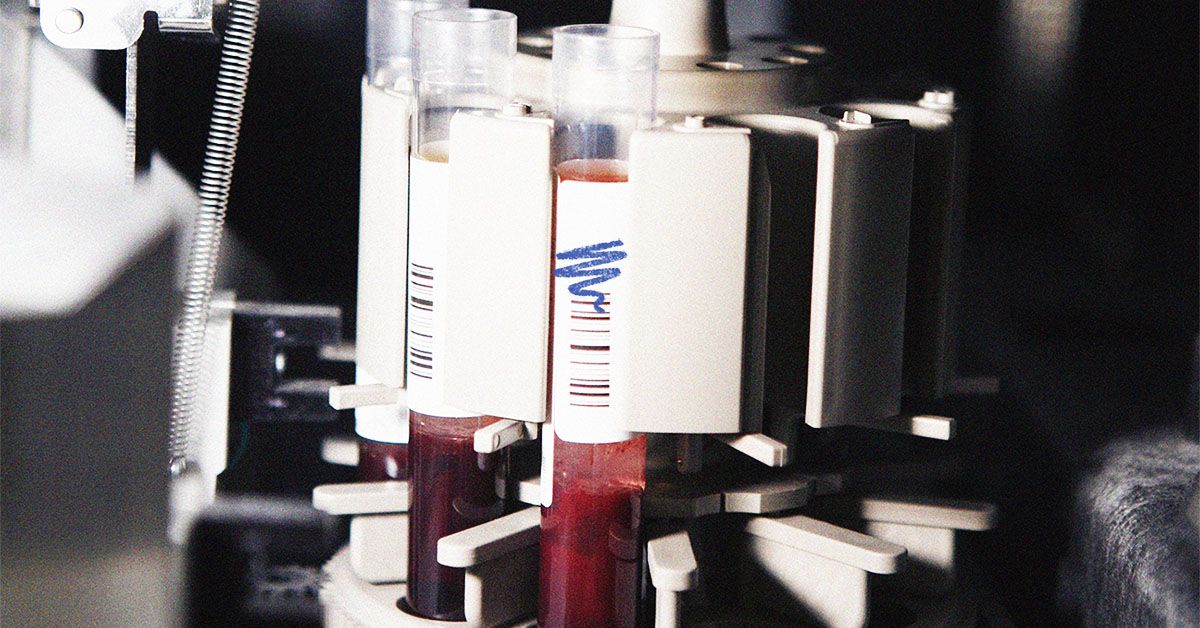
Blood tests are an essential tool that can provide valuable information about our health status by detecting proteins circulating within our bloodstream. These proteins can offer insights into the functioning of various biological systems in our bodies, aiding in the early detection and prediction of certain diseases. However, many rare conditions lack specific blood tests for accurate diagnosis, making it challenging for healthcare professionals to identify them promptly. To address this issue, a team of researchers conducted a study using UK Biobank data to identify protein signatures in blood tests that could potentially detect or predict over 60 different diseases.

The researchers, from GlaxoSmithKline (GSK), the U.K., and Germany, analyzed data from nearly 42,000 participants to pinpoint proteins associated with 218 different diseases. By comparing these protein biomarkers with traditional clinical measures, they found that for 67 diseases, a panel of just 5 to 20 proteins significantly improved the accuracy of disease prediction compared to using clinical data alone. This discovery could enhance early detection and risk assessment for conditions such as multiple myeloma, non-Hodgkin lymphoma, and motor neuron disease, allowing for timely intervention and treatment.

Proteomics, the study of protein structure and function in the body, plays a crucial role in oncogenesis, the development of cancer. By identifying specific protein biomarkers associated with various diseases, researchers can gain valuable insights into the progression of illnesses, aiding in early diagnosis and treatment planning. Blood tests assessing protein levels, such as prostate-specific antigen (PSA) for prostate cancer, are commonly used for cancer screening and monitoring disease progression. The study, published in Nature Medicine, underscores the potential of proteomics in revolutionizing disease detection and management strategies.

In their analysis, the researchers focused on endocrine and cardiovascular diseases, which were well predicted using conventional clinical measures. By examining blood plasma data from participants, they identified protein signatures that could predict the presence of several diseases with high accuracy. For conditions such as celiac disease, which can be challenging to diagnose due to its asymptomatic nature, a protein detection test showed promising results in detecting 80% of cases with a low false positive rate. The study also found differences in protein markers between men and women for some diseases, suggesting unique biological pathways in disease development.

Furthermore, the researchers demonstrated that a single protein could predict or detect up to 30 diseases, highlighting the potential for targeted and efficient diagnostic tools in the future. By analyzing blood plasma levels of specific receptors, such as TNFRSF17 and TNFRSF13B, researchers were able to predict the risk of developing multiple myeloma and related conditions up to 10 years before diagnosis. This early detection capability could revolutionize cancer diagnosis and treatment approaches, leading to more personalized and effective healthcare interventions.

Overall, the study’s findings shed light on the promising role of proteomics in advancing disease detection and management. By harnessing the power of protein biomarkers in blood tests, healthcare professionals can enhance early diagnosis, risk assessment, and treatment planning for a wide range of diseases. Continued research in proteomics holds immense potential for uncovering novel diagnostic tools, therapeutic targets, and preventive strategies, ultimately transforming the landscape of healthcare and disease management. This groundbreaking research paves the way for precision medicine approaches that prioritize individualized care and improved outcomes for patients.


Sign Up For Daily Newsletter

Be keep up! Get the latest breaking news delivered straight to your inbox.
I have read and agree to the terms & conditions
By signing up, you agree to our Terms of Use and acknowledge the data practices in our Privacy Policy. You may unsubscribe at any time.
News Room July 29, 2024
Share this Article
Facebook Twitter Copy Link Print
Previous Article Ice Spice recalls feeling ‘confused’ at Super Bowl encounter with Taylor Swift – News
Next Article Success of gift-giving and dental mission for Filipino workers
Leave a comment Leave a comment

Leave a Reply Cancel reply

Your email address will not be published. Required fields are marked *

Stay Connected

235.3k Followers Like
69.1k Followers Follow
56.4k Followers Follow
136k Subscribers Subscribe
- Advertisement -
Ad imageAd image

Latest News

MoJ graduates over 180 legal trainees as part of expanding national training effort
Gulf December 6, 2025
Russian gas and oil in Europe done for good, Energy Commissioner says
World December 6, 2025
MoHAP awards M42 for supporting over 110,000 hypertension screenings
Gulf December 6, 2025
Etihad opens direct Kazan route as part of 2025 network expansion
Business December 6, 2025

You Might also Like

Health

Noor Al Mamzar Medical Center: Comprehensive Healthcare and Wellness in Dubai

September 6, 2025
Health

Mindfulness could be equally effective as antidepressants

October 17, 2024
Health

What is the impact of caffeine on the risk of developing diseases?

October 17, 2024
Health

Scientists discover combination of 14 genes that enhance outcomes

October 16, 2024
Health

Seizure medication demonstrates potential in individuals with no genetic risk

October 16, 2024
Health

Heart disease increases risk, heparin can postpone onset

October 16, 2024
Health

What type of breakfast is most effective for weight loss in women compared to men?

October 15, 2024
Health

How does the brain remove “waste” to protect itself?

October 14, 2024
//

Gulf Press is your one-stop website for the latest news and updates about Arabian Gulf and the world, follow us now to get the news that matters to you.

Quick Link

  • Privacy Policy
  • Terms of ue
  • Advertise
  • Contact

How Topics

  • Gulf News
  • International
  • Business
  • Lifestyle

Sign Up for Our Newsletter

Subscribe to our newsletter to get our latest news instantly!

I have read and agree to the terms & conditions
Gulf PressGulf Press
Follow US

© 2023 Gulf Press. All Rights Reserved.

Join Us!

Subscribe to our newsletter and never miss our latest news, podcasts etc..

I have read and agree to the terms & conditions
Zero spam, Unsubscribe at any time.

Removed from reading list

Undo
Welcome Back!

Sign in to your account

Lost your password?