



By using this site, you agree to the Privacy Policy and Terms of Use.
Accept
Gulf PressGulf Press
  • Home
  • Gulf News
  • World
  • Business
  • Technology
  • Sports
  • Lifestyle
Search
Countries
More Topics
  • Health
  • Entertainment
Site Links
  • Customize Interests
  • Bookmarks
  • Newsletter
  • Terms
  • Press Release
  • Advertise
  • Contact
© 2023 Gulf Press. All Rights Reserved.
Reading: MRI Method Could Detect Early Signs of Dementia 9 Years in Advance
Share
Notification Show More
Latest News
Qatar Mediation Forum to be held on December 7 and 8
Gulf
MoJ graduates over 180 legal trainees as part of expanding national training effort
Gulf
Russian gas and oil in Europe done for good, Energy Commissioner says
World
MoHAP awards M42 for supporting over 110,000 hypertension screenings
Gulf
Etihad opens direct Kazan route as part of 2025 network expansion
Business
Aa
Gulf PressGulf Press
Aa
  • Gulf News
  • World
  • Business
  • Entertainment
  • Lifestyle
  • Sports
Search
  • Home
  • Gulf
  • Business
  • More News
    • World
    • Technology
    • Lifestyle
    • Entertainment
    • Sports
Have an existing account? Sign In
Follow US
  • Terms
  • Press Release
  • Advertise
  • Contact
© 2023 Gulf Press. All Rights Reserved.
Gulf Press > Health > MRI Method Could Detect Early Signs of Dementia 9 Years in Advance
Health

MRI Method Could Detect Early Signs of Dementia 9 Years in Advance

News Room
Last updated: 2024/06/14 at 1:07 PM
News Room
Share
4 Min Read
SHARE

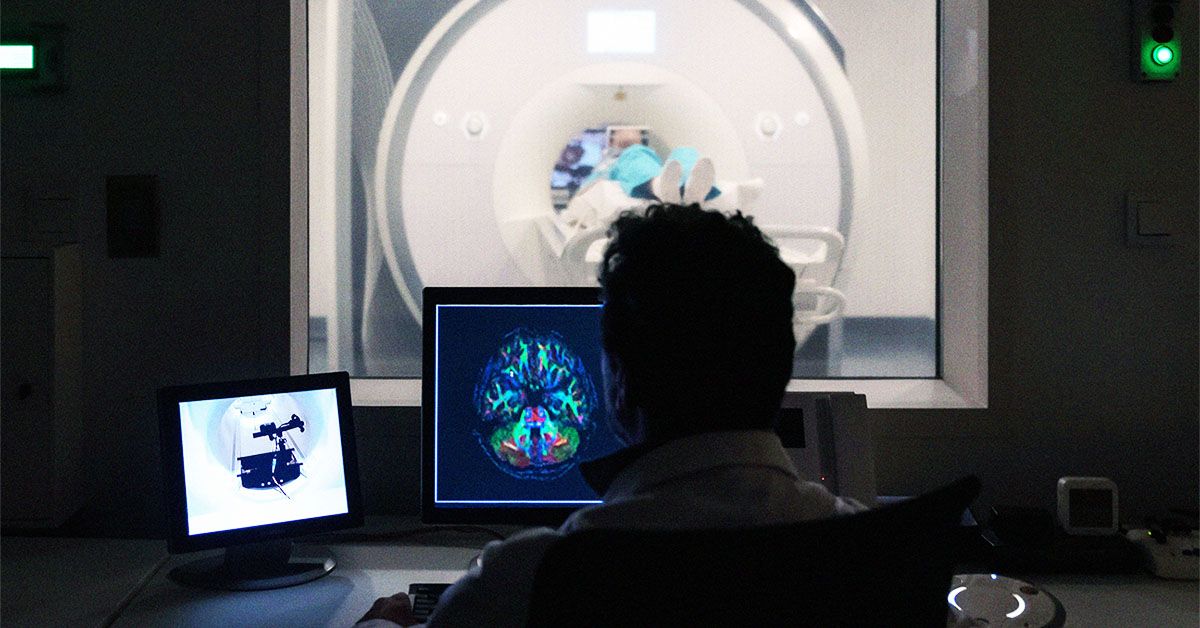
A groundbreaking new machine learning model has been developed that can predict the onset of dementia with over 80% accuracy, up to nine years in advance. Conducted by researchers at Queen Mary University of London, the study leveraged functional magnetic resonance imaging (fMRI) scans from the UK Biobank to observe changes in the brain’s default mode network (DMN), an area believed to be associated with Alzheimer’s disease. The model identified disconnects between key regions within the DMN, which allowed the researchers to accurately predict dementia within a two-year window, leading to hopes of early interventions to prevent or delay the onset of the condition.

The study’s findings were published in Nature Mental Health and have been praised by Alzheimer’s experts for their potential impact on early detection and treatment. Dr. Claire Sexton, DPhil, from the Alzheimer’s Association in the U.S., noted that Alzheimer’s has been linked to decreased functional connectivity within the DMN, making the new predictive tool a significant advancement in understanding the disease. However, the study focused on all-cause dementia rather than a specific type, highlighting the diverse nature of dementias and the need for further research to address different subtypes such as frontotemporal dementia and Lewy body dementia.

While the predictive model shows promise in identifying cognitive issues before symptoms manifest, neurologists like Clifford Segil from Providence Saint John’s Health Center in California caution that interpreting fMRI scans can vary between readers, impacting the reliability of the results. Despite this limitation, the development of new diagnostic tools targeting the DMN is seen as a crucial step towards early intervention for cognitive decline. Segil suggested that patients identified through such tests could undergo more frequent structural MRI scans to monitor changes correlating with memory loss, though effective neuroprotective medications are currently lacking in clinical practice.

The study also revealed some limitations, including variations in the definition of DMN disconnectivity across studies, reliance on clinician coding for dementia diagnosis, and the predominantly white, healthier population in the UK Biobank cohort. These factors may restrict the generalizability of the findings, highlighting the need for replication in diverse populations to ensure the reliability and applicability of the predictive model. Sexton emphasized the importance of standardized methods and representative study populations to advance our understanding of Alzheimer’s and develop effective treatments based on early detection.

As research progresses and potential neuroprotective treatments become available, the model developed by Professor Charles Marshall and his team could play a critical role in selecting individuals for clinical trials and personalized interventions. Marshall highlighted the complex patterns of brain activity captured by the machine learning tool, showcasing both reduced and increased activity in different regions as potential indicators of dementia-like changes. The future of dementia diagnosis and management may rely on combining advanced technologies with targeted interventions to address cognitive decline and improve patient outcomes, paving the way for a more proactive approach to neurodegenerative diseases.


Sign Up For Daily Newsletter

Be keep up! Get the latest breaking news delivered straight to your inbox.
I have read and agree to the terms & conditions
By signing up, you agree to our Terms of Use and acknowledge the data practices in our Privacy Policy. You may unsubscribe at any time.
News Room June 14, 2024
Share this Article
Facebook Twitter Copy Link Print
Previous Article Have you been to these upscale dining establishments in Dubai? – News
Next Article An Outline for the Future of Diplomatic Relations
Leave a comment Leave a comment

Leave a Reply Cancel reply

Your email address will not be published. Required fields are marked *

Stay Connected

235.3k Followers Like
69.1k Followers Follow
56.4k Followers Follow
136k Subscribers Subscribe
- Advertisement -
Ad imageAd image

Latest News

Qatar Mediation Forum to be held on December 7 and 8
Gulf December 6, 2025
MoJ graduates over 180 legal trainees as part of expanding national training effort
Gulf December 6, 2025
Russian gas and oil in Europe done for good, Energy Commissioner says
World December 6, 2025
MoHAP awards M42 for supporting over 110,000 hypertension screenings
Gulf December 6, 2025

You Might also Like

Health

Noor Al Mamzar Medical Center: Comprehensive Healthcare and Wellness in Dubai

September 6, 2025
Health

Mindfulness could be equally effective as antidepressants

October 17, 2024
Health

What is the impact of caffeine on the risk of developing diseases?

October 17, 2024
Health

Scientists discover combination of 14 genes that enhance outcomes

October 16, 2024
Health

Seizure medication demonstrates potential in individuals with no genetic risk

October 16, 2024
Health

Heart disease increases risk, heparin can postpone onset

October 16, 2024
Health

What type of breakfast is most effective for weight loss in women compared to men?

October 15, 2024
Health

How does the brain remove “waste” to protect itself?

October 14, 2024
//

Gulf Press is your one-stop website for the latest news and updates about Arabian Gulf and the world, follow us now to get the news that matters to you.

Quick Link

  • Privacy Policy
  • Terms of ue
  • Advertise
  • Contact

How Topics

  • Gulf News
  • International
  • Business
  • Lifestyle

Sign Up for Our Newsletter

Subscribe to our newsletter to get our latest news instantly!

I have read and agree to the terms & conditions
Gulf PressGulf Press
Follow US

© 2023 Gulf Press. All Rights Reserved.

Join Us!

Subscribe to our newsletter and never miss our latest news, podcasts etc..

I have read and agree to the terms & conditions
Zero spam, Unsubscribe at any time.

Removed from reading list

Undo
Welcome Back!

Sign in to your account

Lost your password?