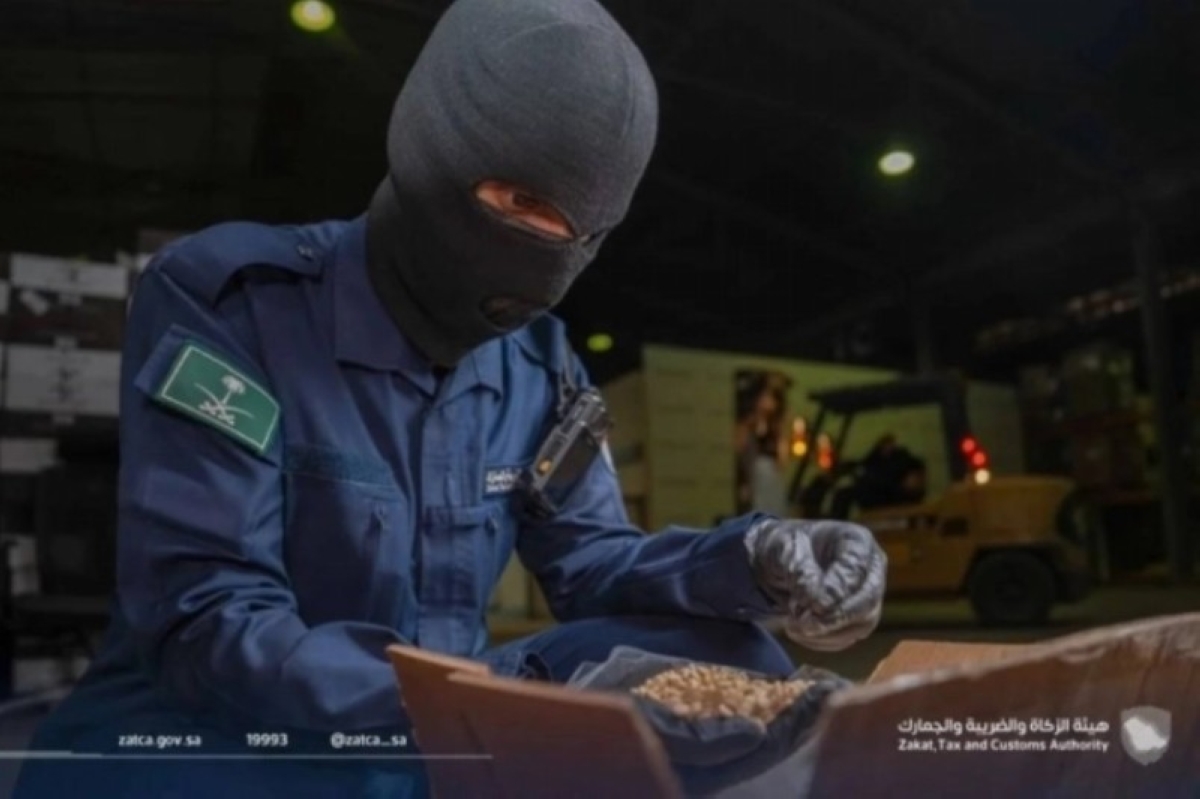

Saudi Arabian customs authorities reported a significant increase in intercepted smuggling attempts during the past week, seizing 961 instances of prohibited goods at various points of entry across the Kingdom. The Zakat, Tax and Customs Authority (ZATCA) detailed the findings on Saturday, highlighting a concerted effort to bolster border security and protect the nation from illicit trade. These seizures encompassed narcotics, tobacco, undeclared currency, and even weaponry, signaling a persistent challenge to national security.
The operations, conducted at land, air, and sea ports throughout Saudi Arabia, represent a focused campaign against illegal activities. According to ZATCA, the intercepted contraband included substantial quantities of narcotics like hashish, cocaine, heroin, shabu, and Captagon pills, alongside a large number of other prohibited substances. This latest report underscores the ongoing battle against the flow of illegal goods into and out of the country.
Combating Smuggling in Saudi Arabia
The recent surge in seizures points to a heightened level of smuggling activity, potentially driven by regional instability and evolving trafficking routes. However, it also demonstrates the increasing effectiveness of ZATCA’s enforcement measures. The authority has been investing in advanced technologies and training for customs officials to improve detection capabilities and response times.
Details of the Seizures
The breakdown of the seizures reveals a diverse range of illicit goods. Over 1,800 attempts to smuggle tobacco and its derivatives were thwarted, indicating a continued demand for these products despite regulations and taxes. Ten cases involved significant sums of undeclared money, raising concerns about potential money laundering or terrorist financing. Perhaps most concerning, five incidents involved the interception of weapons and related accessories, highlighting the potential for these items to fall into the wrong hands.
ZATCA emphasized its commitment to strengthening customs controls on both imports and exports. This includes rigorous inspections, enhanced risk assessment protocols, and increased collaboration with international partners. The authority’s efforts are aligned with Saudi Arabia’s broader national security strategy, which prioritizes the protection of its borders and citizens.
Additionally, ZATCA is actively working to disrupt the networks that facilitate smuggling operations. This involves intelligence gathering, investigations, and the prosecution of individuals involved in illegal trade. The authority’s success in these areas is crucial to deterring future attempts and dismantling criminal organizations.
The authority’s dedication to public safety extends beyond enforcement. ZATCA actively encourages public participation in its efforts to combat illegal trade. Citizens are urged to report any suspected smuggling activities through a dedicated hotline (1910), email ([email protected]), or an international number (009661910). ZATCA assures complete confidentiality for all reports and offers financial rewards for accurate information leading to successful investigations.
Meanwhile, the issue of cross-border crime and illicit trade is a global concern. Saudi Arabia, due to its strategic location and extensive borders, faces unique challenges in this regard. The country’s efforts to combat smuggling are therefore not only vital for its own security but also contribute to regional stability. Relatedly, the Kingdom has been increasing its cooperation with neighboring countries to share intelligence and coordinate enforcement efforts.
In contrast to previous years, the number of reported seizures has shown a marked increase, potentially reflecting improved detection methods rather than a substantial rise in actual smuggling attempts. The report indicates that ZATCA is becoming more adept at identifying and intercepting illicit goods, even those concealed in sophisticated ways. This improved performance is a testament to the authority’s ongoing investment in technology and personnel.
Looking ahead, ZATCA is expected to continue its intensified enforcement efforts and explore new strategies to combat smuggling. The authority is also likely to focus on strengthening its collaboration with international organizations and neighboring countries to address the transnational nature of the problem. Further details regarding the specific types of prohibited substances seized and the origins of the contraband are anticipated in a more comprehensive report scheduled for release next month. The effectiveness of these ongoing measures and the evolving tactics of smugglers will be key factors to watch in the coming months.