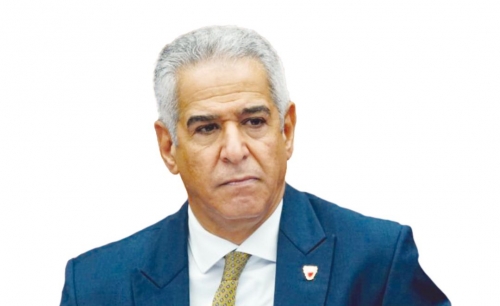

Bahrain is strategically investing in its healthcare future with a comprehensive plan to bolster the number of Bahraini doctors within its public hospital system. Currently, 637 of the 726 doctors employed in government hospitals are Bahraini nationals, and the Ministry of Health is committed to increasing this number through a phased approach. This initiative aims to strengthen the nation’s healthcare infrastructure and ensure sustainable, high-quality medical care for all citizens.
Increasing Bahrainisation in Public Healthcare
The Ministry of Health recently detailed its strategy in response to parliamentary inquiries from First Deputy Speaker Abdulnabi Salman, reaffirming that prioritizing Bahraini medical professionals is central to the nation’s healthcare policy. This isn’t simply about numbers; it’s about building a robust and self-sufficient healthcare system driven by local talent.
A Comprehensive Education Pipeline
Bahrain’s commitment extends beyond simply hiring; it encompasses a full spectrum of medical education. From initial board training to advanced fellowships and specialized programs, both within Bahrain and internationally, the country is actively cultivating a continuous stream of qualified Bahraini doctors. This proactive approach ensures a consistent supply of skilled professionals ready to meet the evolving healthcare needs of the population.
Furthermore, primary healthcare centers have already achieved complete Bahrainisation, demonstrating the success of the ongoing efforts. New hospital projects currently underway are also designed to create additional positions specifically for national doctors.
Expanding Specialist Training and Career Pathways
Government hospitals are actively expanding specialist training programs, a crucial step in attracting and retaining talented medical professionals. This expansion isn’t just about offering more training opportunities; it’s about creating clearly defined career paths for new graduates. By aligning appointments with the specific needs of each facility, the Ministry of Health aims to maximize the impact of its workforce and ensure optimal patient care.
This focus on career development is vital for attracting young Bahrainis to the medical field and encouraging them to remain in public service. The initiative also addresses potential skill gaps by focusing training on areas where demand is highest.
Balancing Needs: Fellowship Training and Strategic Recruitment
The phased replacement plan acknowledges the complexities of transitioning to a fully Bahraini-staffed healthcare system. Recognizing potential shortages in certain specialties, the Ministry is strategically sending Bahraini doctors abroad for fellowship training. This is carefully balanced against existing vacancies, job ceilings, and budgetary constraints.
Importantly, the recruitment of non-Bahraini doctors is limited to areas where qualified Bahraini professionals are currently unavailable. This ensures that opportunities for national doctors are prioritized while maintaining the quality of care. This strategic approach to medical staffing is key to a smooth transition.
Supporting Bahraini Doctors in the Private Sector
The commitment to developing Bahraini medical talent isn’t limited to the public sector. The Supreme Council of Health is collaborating with Tamkeen to assist Bahraini doctors in passing board exams through residency training programs in crucial specialties. This partnership also supports medical and dental fellowships abroad, allowing Bahrainis to gain practical experience and qualify for consultant-level positions.
This collaborative effort recognizes the importance of a thriving private healthcare sector and the role Bahraini doctors can play in its growth. It also addresses the broader need for specialized medical expertise within the country.
Government Incentives for Medical Professionals
The Bahraini government is backing its commitment with substantial financial support. Cabinet-approved measures include loans of up to BD30,000 to support medical education, and significant wage support for newly graduated doctors and dentists. This wage support covers 70% of the first-year salary, decreasing to 50% in the second year and 30% in the third, with a minimum benefit of BD800.
Additionally, incentives are being offered to private hospitals that prioritize hiring Bahraini doctors. These measures, combined with efforts to boost pay and facilitate the acquisition of advanced clinical skills, demonstrate a strong commitment to attracting and retaining top medical talent. This focus on healthcare investment is expected to yield long-term benefits for the nation.
In conclusion, Bahrain’s phased plan to increase the number of Bahraini doctors in government hospitals represents a significant investment in the nation’s healthcare future. By focusing on comprehensive education, strategic training, and robust financial support, Bahrain is building a sustainable and highly skilled medical workforce. This initiative not only strengthens the healthcare system but also creates opportunities for Bahraini citizens to excel in a vital and rewarding profession. Further details on training programs and financial assistance can be found on the Ministry of Health website.