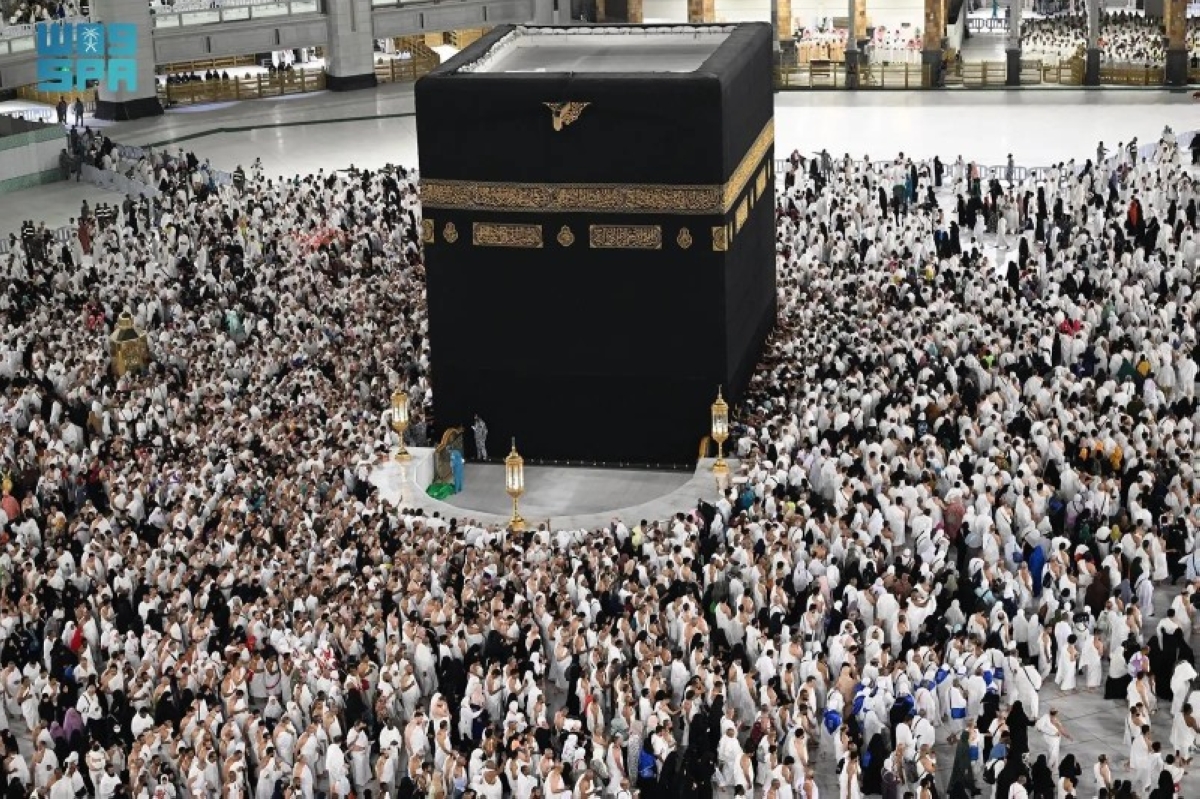

Riyadh, Saudi Arabia – A surge in religious tourism saw over 68.7 million visitors to the Grand Mosque and Prophet’s Mosque during the Islamic month of Jumada al-Thani 1447 AH, according to the General Authority for the Affairs of the Two Holy Mosques. This substantial figure represents a 2.1 million increase from the previous month, highlighting the Kingdom of Saudi Arabia’s growing capacity and appeal for Umrah pilgrims. The increase underscores ongoing efforts to facilitate religious travel and enhance the pilgrim experience.
The majority of visitors, approximately 30 million, were recorded at the Grand Mosque in Mecca, with significant numbers participating in prayers at the Hijr Ismail and visiting the Kaaba. The Prophet’s Mosque in Medina welcomed 23.1 million worshipers, including 1.3 million at the Rawdah Al-Sharif, a highly revered area within the mosque. Additionally, 2.3 million people paid their respects at the Prophet Muhammad’s tomb.
Record Umrah Numbers Reflect Kingdom’s Vision 2030
The Ministry of Hajj and Umrah reported that total Umrah pilgrims, both domestic and international, exceeded 11.9 million during Jumada al-Thani. This demonstrates a continued upward trend in religious travel to Saudi Arabia. The ministry attributes this growth to improvements in services and infrastructure designed to accommodate a larger volume of pilgrims.
Easing Access for International Travelers
A key driver of this increase is the influx of international pilgrims, with over 1.7 million arriving from outside the Kingdom during the month. According to the ministry, streamlined arrival procedures and enhanced logistical support have played a crucial role in facilitating easier access for those undertaking the pilgrimage. These improvements include digital platforms for visa applications and travel planning.
However, the Kingdom has faced challenges in managing large crowds during peak seasons. Past incidents have prompted ongoing investment in crowd control measures and safety protocols. The current figures suggest these efforts are yielding positive results, allowing for a more comfortable and secure experience for visitors.
Expanding the Hajj and Umrah Ecosystem
This surge in pilgrimage numbers is directly linked to the Kingdom’s Vision 2030 plan, which prioritizes the development of the Hajj, Umrah, and tourism sectors. The initiative aims to diversify the Saudi economy and attract a greater number of international visitors. A central component of this strategy is improving the overall experience for religious tourists.
The Ministry of Hajj and Umrah is actively working to enhance the quality of services offered throughout the religious journey, from arrival at the airport to accommodation and access to the holy sites. This includes investments in transportation infrastructure, healthcare facilities, and cultural experiences. Furthermore, the development of digital systems is intended to provide pilgrims with real-time information and support.
Meanwhile, the General Authority for the Affairs of the Two Holy Mosques continues to focus on maintaining the sanctity and cleanliness of the mosques, as well as providing guidance and assistance to worshipers. This includes deploying a large workforce of staff and volunteers to manage crowds and ensure a smooth flow of visitors.
In contrast to previous years, the current data indicates a more balanced distribution of pilgrims throughout the month, potentially due to staggered arrival schedules and promotional campaigns targeting different regions. This approach aims to alleviate congestion during peak periods and improve the overall experience for all visitors.
Impact on Saudi Arabia’s Economy
The increase in religious tourism is expected to have a significant positive impact on the Saudi Arabian economy. The influx of pilgrims generates revenue for hotels, restaurants, transportation services, and other businesses. It also creates employment opportunities for Saudi citizens. The Kingdom is actively seeking to attract further investment in the tourism sector to capitalize on this growing demand.
The Ministry of Investment has launched several initiatives to encourage private sector participation in the development of tourism infrastructure and services. These initiatives include offering incentives for investment in hotels, resorts, and entertainment facilities. The goal is to create a more vibrant and diversified tourism offering.
Looking ahead, the Ministry of Hajj and Umrah is expected to announce further initiatives aimed at enhancing the pilgrim experience and increasing the capacity of the Two Holy Mosques. Future plans may include expanding the physical space of the mosques and implementing more advanced technologies to manage crowds and improve safety. The success of these efforts will be closely monitored in the coming months, with the next major assessment anticipated following the upcoming Hajj season.