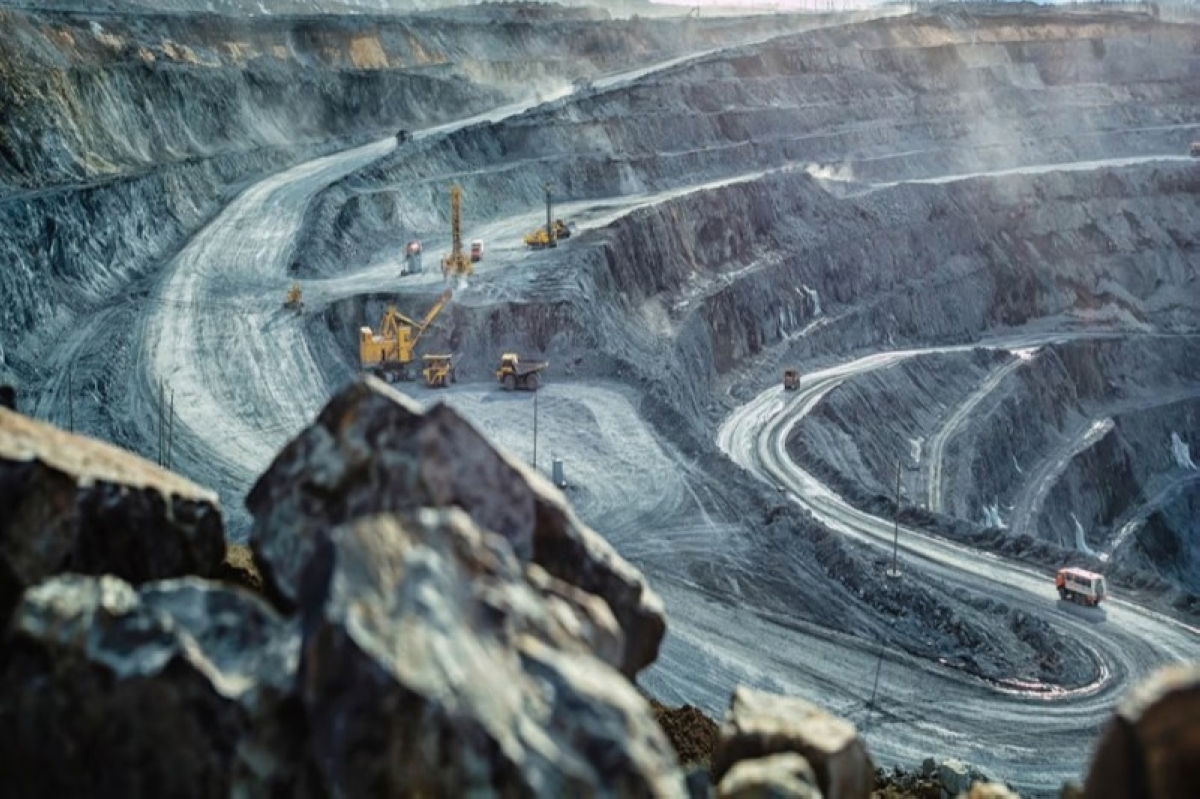

Saudi Arabia’s mining sector is experiencing significant growth, with the total number of mineralization sites discovered reaching 5,651 in 2024, according to a new report by the General Authority for Statistics (GASTAT). These sites represent a wide array of resources, primarily non-metallic minerals which account for over half the discoveries. This data, released in GASTAT’s inaugural Mineral Resources Statistics bulletin, reflects increasing investment and exploration efforts within the Kingdom.
The majority of identified sites are located throughout the country, with concentrations in areas previously known for geological activity. Non-metallic minerals comprise 3,058 sites, representing 54.1% of the total. Metallic minerals account for 2,423 sites (42.9%), and sites containing both types of minerals represent around 3% with 170 locations, the GASTAT bulletin detailed.
Expansion of Saudi Arabia’s Mineral Resources
The released data highlights Saudi Arabia’s ambition to diversify its economy away from oil, with mining identified as a key pillar for future growth. Recent initiatives aimed at attracting foreign investment and streamlining regulations appear to be bearing fruit, as evidenced by the increase in issued mining licenses. This push toward mineral wealth development is a core component of Vision 2030.
Increased Licensing Activity
Mining license issuance has grown substantially over the past decade. GASTAT reported a 21% cumulative increase from 1,985 licenses in 2016 to 2,401 in 2024. Building materials quarry licenses constitute the largest share, totaling 1,481 in 2024; indicating robust construction and infrastructure development within the country. This surge reflects a more permissive environment for companies seeking to explore and extract resources.
The increase in licenses also points to a growing domestic demand for minerals, driven by the Kingdom’s large-scale projects and population growth. This demand, coupled with strategic initiatives, reinforces the importance of developing a sustainable and competitive mining industry.
Mineral Trade Dynamics in 2024
Saudi Arabia’s international trade in minerals reveals a pattern of strong exports in certain areas and a significant reliance on imports for others. According to the report, aluminum exports reached 283,000 tons, constituting 62.9% of the total aluminum trade, while imports amounted to 167,000 tons (37.1%).
Lead shows a similarly export-focused dynamic. Exports totaled 59,000 tons, representing 93.7% of its trade, with imports at just 6.3% (around 4,000 tons). However, the situation differs drastically for zinc and nickel. The country is highly dependent on zinc imports, totaling 88,000 tons, or over 99.9% of its trade volume. Nickel trade was entirely import-based, totaling 407 tons.
These trade figures suggest Saudi Arabia is building capacity in specific aluminum and lead sectors, while a significant gap remains in others. This dependency on imports for crucial metals such as zinc and nickel highlights areas for potential domestic investment and exploration, as the Kingdom pursues greater self-sufficiency in mineral resources.
Growth in Phosphate Fertilizer Exports
The agricultural sector also experienced positive developments within the mineral trade landscape. Phosphate fertilizer exports increased to 5.7 million tons in 2024, a 4.6% rise from the 5.4 million tons exported the previous year. This growth indicates increasing agricultural output and potential expansion into new export markets.
In contrast to exports, phosphate fertilizer imports decreased considerably. The bulletin indicates a 51.7% drop in imports, falling to 66,200 tons in 2024 from 136,200 tons in 2023. This decrease may be due to increased domestic production, shifting trade relationships or changes in agricultural practices. Further investigation is needed to determine the precise cause.
GASTAT’s bulletin represents the first comprehensive overview of Saudi Arabia’s mineral exploration and trade activity. The detailed data on mineralization provides a valuable baseline for tracking progress and identifying future opportunities—moving away from solely oil-based exports toward a more balanced economic portfolio. The report’s release underscores the nation’s commitment to transparency and data-driven decision-making in the mining sector.
Looking ahead, GASTAT is expected to release updated mineral resource statistics annually, providing ongoing monitoring of sector developments. The Ministry of Industry and Mineral Resources will likely use this data to refine its investment strategies and regulatory framework, aiming to attract further foreign capital and expand domestic production. The implications of ongoing geopolitical shifts on the supply chains of imported minerals, as well as the impact of global demand on Saudi Arabia’s export capacity, will be crucial factors to watch in the coming years.