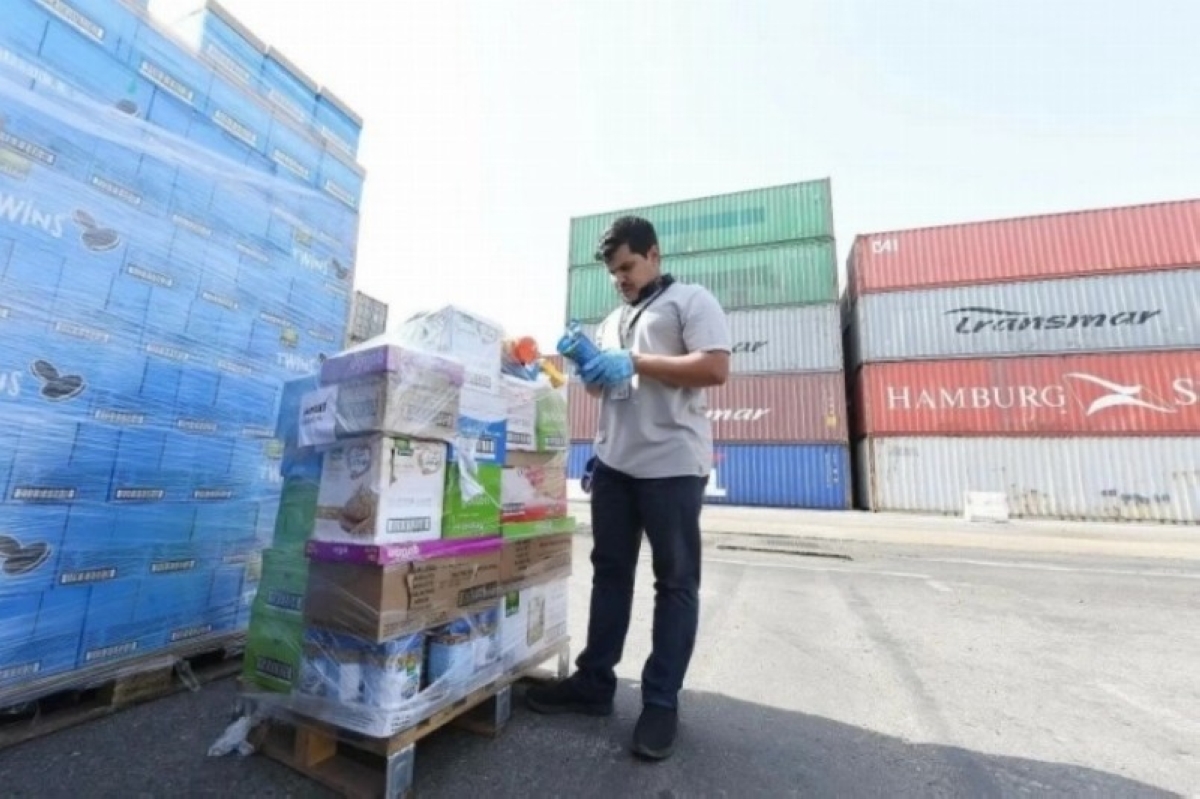

Saudi Arabia is proposing significantly stricter penalties for those involved with illegal pesticides, including potential prison sentences of up to five years and fines reaching SR10 million (approximately $2.67 million USD). The Ministry of Environment, Water and Agriculture recently revealed a draft update to GCC Pesticides Law penalties, aiming to combat the manufacturing and import of banned or counterfeit agricultural chemicals. This move reflects growing regional concern over food safety and environmental protection.
The proposed regulations, currently under review, would apply across all Gulf Cooperation Council member states. The update seeks to standardize and strengthen enforcement against violations related to pesticide regulations. According to the ministry, the changes are intended to protect public health, animal welfare, and the environment from the dangers of substandard or prohibited agricultural products.
Stricter Penalties for Illegal Pesticides
The core of the draft regulation focuses on escalating the consequences for serious offenses. Manufacturing or importing pesticides deemed banned or counterfeit would carry the most severe penalties: a prison term of up to five years, a fine of up to SR10 million, or a combination of both. The Public Prosecution will be responsible for investigating these violations and presenting cases to the appropriate courts.
Recidivism and Repeat Offenders
The draft also addresses repeat offenses. The Public Prosecution has the authority to double the penalty imposed on individuals or companies found to be in violation of the regulations a second time. A violation is classified as a repeat offense if it occurs within three years of a previous infraction. This provision aims to deter continued non-compliance.
Lesser Violations and Corrective Action
However, the draft acknowledges that not all violations are equally severe. If a violation is deemed minor and does not pose a significant risk to humans, animals, plants, or the environment, the violator will initially receive a warning and a period to rectify the issue. This tiered approach allows for flexibility in enforcement, focusing the harshest penalties on the most dangerous infractions.
The Saudi Food and Drug Authority (SFDA) will play a key role in overseeing violations related to public health pesticides. The SFDA will review violations, impose penalties, and obtain approval for these penalties from the SFDA president or a designated representative. This ensures a consistent and regulated approach to enforcement.
Additionally, the ministry and the SFDA can mandate that violators remove the source of the violation. They also reserve the right to double the fine if the offense is repeated. This emphasizes the importance of not only correcting the initial problem but also preventing future occurrences.
Disposal and Facility Closures
The handling of materials involved in violations is also addressed in the draft. Any materials linked to the infraction will be destroyed by a specialized chemical disposal company or re-exported to the country of origin – at the violator’s expense. This prevents the further distribution or misuse of illegal or substandard pesticides.
In more serious cases, the facility where the violation occurred may face temporary closure for up to six months or permanent closure. This measure is intended to disrupt the operations of those consistently engaging in illegal activities. The severity of the closure will likely depend on the nature and frequency of the violations.
Individuals or entities facing penalties will have the right to appeal the decision before the Administrative Court, following established legal procedures. This ensures due process and allows for a review of the imposed sanctions. The appeal process is a standard component of legal frameworks in the region.
The move comes amid increasing scrutiny of agricultural practices and food security across the GCC. Concerns about the quality of imported produce and the potential health risks associated with unregulated pesticide use have prompted governments to strengthen their regulatory frameworks. Related concerns include the impact of chemical runoff on water resources and biodiversity.
The draft regulation is now subject to further review and potential amendments before being formally adopted. The timeline for final approval remains uncertain, but the ministry indicated that it aims to implement the updated penalties as soon as possible. Stakeholders will be watching for the official publication of the finalized regulation and any accompanying guidance on implementation. The effectiveness of the new rules will depend on consistent enforcement and international cooperation to prevent the influx of illegal agricultural chemicals.