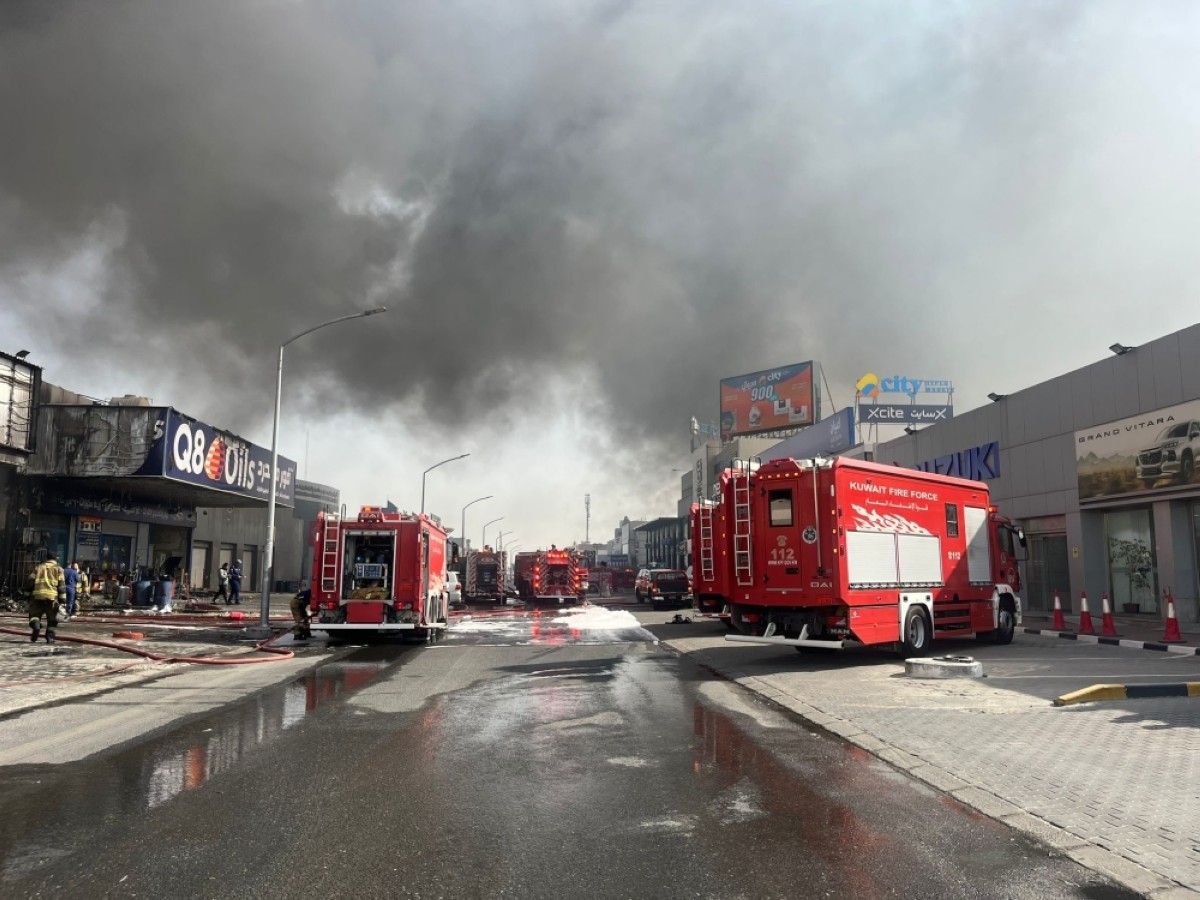

A swift and coordinated response from Kuwait’s fire services prevented a major disaster on Saturday, successfully controlling a significant fire that erupted in the Ahmadi industrial area. The blaze involved multiple storage tanks containing highly flammable materials, prompting a large-scale operation led by Fire Chief Major General Talal Al-Roumi. This incident highlights the crucial role of the Kuwait Fire Force in protecting vital infrastructure and ensuring public safety.
Kuwait Fire Force Successfully Contain Ahmadi Industrial Area Fire
The fire, which broke out in the Ahmadi industrial area, quickly drew a substantial response from the Kuwait Fire Force. Initial reports indicated that several storage tanks were ablaze, posing a serious threat due to the nature of the materials stored within. Thankfully, through the diligent efforts of five fire teams, the situation was brought under control without any reported injuries.
The operation wasn’t solely the responsibility of the fire service. The Ministry of Interior, Emergency Medical Services, and the Public Works Ministry all played vital roles in securing the perimeter, managing traffic flow, and implementing necessary safety precautions. This collaborative approach demonstrates Kuwait’s commitment to comprehensive emergency response planning.
Rapid Deployment and Collaborative Efforts
Units from the Ahmadi, Fahaheel, and Mina Abdullah fire stations were immediately dispatched to the scene. They were joined by the specialized hazardous materials team, equipped to handle the complexities of fires involving flammable substances. Support units also contributed, providing logistical assistance and ensuring a continuous supply of resources to the frontline firefighters.
Additionally, fire teams from the Kuwait Oil Company (KOC) provided crucial assistance, leveraging their expertise and resources in the industrial area. This partnership between public and private sector emergency responders proved invaluable in containing the fire efficiently. The quick thinking and coordinated actions of all involved prevented the blaze from escalating and potentially causing widespread damage.
Understanding the Risks of Industrial Fires in Kuwait
Kuwait’s industrial landscape, particularly in areas like Ahmadi, necessitates a high level of preparedness for incidents like this. The presence of numerous storage tanks containing petroleum products, chemicals, and other flammable liquids creates inherent risks. A rapid and effective response, as demonstrated by the Kuwait Fire Force, is paramount in mitigating these dangers.
The Ahmadi industrial area is a key hub for Kuwait’s oil industry, making the protection of its infrastructure a national priority. Fires in such facilities can have devastating consequences, including economic disruption, environmental damage, and potential threats to human life. Therefore, regular drills, advanced training for firefighters, and robust safety protocols are essential.
The Importance of Hazardous Materials Training
The involvement of the hazardous materials team underscores the specialized skills required to tackle these types of incidents. Dealing with industrial accidents involving flammable materials demands a deep understanding of chemical properties, fire suppression techniques, and safety procedures. These teams are trained to identify the substances involved, assess the risks, and implement appropriate containment and extinguishing strategies.
Furthermore, the use of specialized equipment, such as foam concentrates and remote-controlled firefighting systems, is often necessary to effectively combat these blazes while minimizing exposure to hazardous fumes and potential explosions. Continuous investment in training and equipment is vital for maintaining a high level of readiness.
Post-Incident Analysis and Future Prevention
While the fire was successfully contained, a thorough investigation will undoubtedly be conducted to determine the cause of the incident. Understanding the root cause is crucial for implementing preventative measures and reducing the likelihood of similar events occurring in the future. This analysis will likely involve examining storage tank maintenance records, safety procedures, and potential ignition sources.
The Kuwait Fire Force will likely use the findings of this investigation to refine its emergency response plans and enhance its training programs. This proactive approach is essential for ensuring the ongoing safety and security of Kuwait’s industrial areas. Regular inspections of industrial facilities, coupled with strict enforcement of safety regulations, can also play a significant role in preventing future incidents.
In conclusion, the swift and effective response to the fire in the Ahmadi industrial area is a testament to the dedication and professionalism of the Kuwait Fire Force and the collaborative spirit of Kuwait’s emergency services. The incident serves as a crucial reminder of the inherent risks associated with handling flammable liquids in industrial settings and the importance of ongoing investment in safety measures and emergency preparedness. We encourage readers to learn more about fire safety protocols and the vital work of the Kuwait Fire Force on their official website [insert official website link here if available].