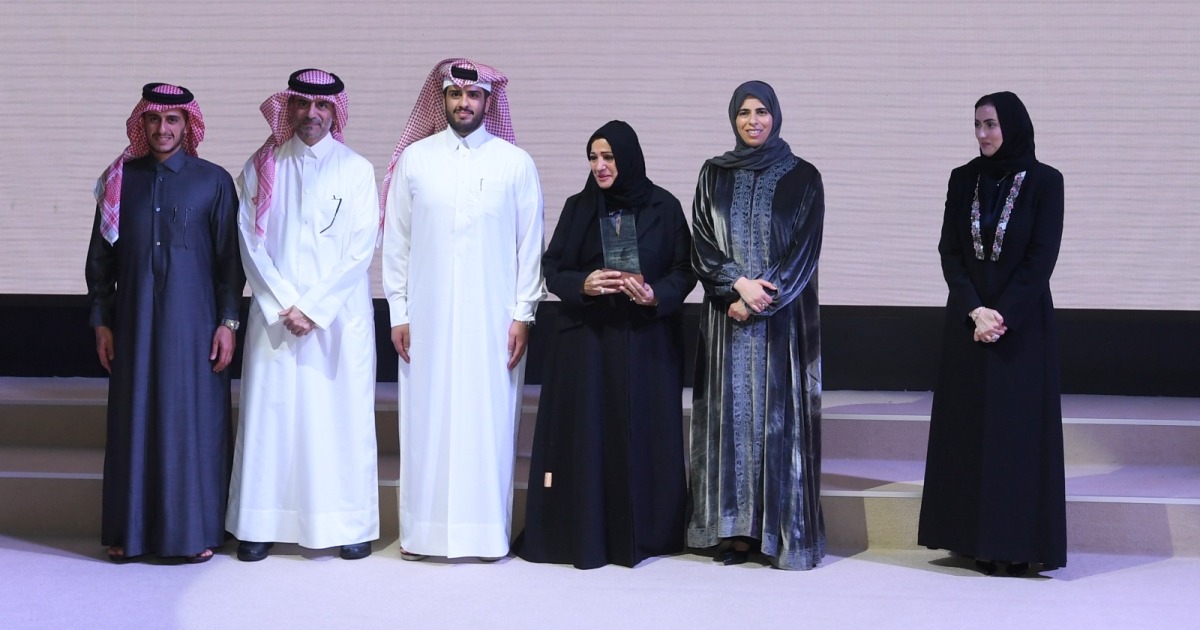

Doha, Qatar – The Ministry of Education and Higher Education (MoEHE) recently honored private schools and kindergartens participating in the “Community Responsibility of Private Schools and Kindergartens” project, a national initiative aimed at expanding access to education for eligible families. The project has already secured over 4,000 free or discounted educational seats, representing a significant investment in Qatar’s future workforce and demonstrating a strengthened partnership between the public and private sectors. The recognition ceremony, held at the MoEHE headquarters, highlighted the growing commitment to educational equity within the country.
The initiative, launched in October of last year, seeks to leverage the resources of private educational institutions to support national development goals. According to the Ministry, the total estimated value of the free seats offered over the next decade exceeds QR18.6 billion, a testament to the long-term impact of this collaborative effort. The event was attended by key figures including Minister H.E. Lolwah bint Rashid bin Mohammed Al Khater and Undersecretary H.E. Dr. Ibrahim bin Saleh Al Nuaimi.
Expanding Access Through Community Responsibility
Assistant Undersecretary for Private Education Affairs, Omar Abdulaziz Al Naama, emphasized the project’s importance as a national milestone. He stated that it embodies a true partnership between the state and the private sector, reflecting a shared understanding that education is a fundamental national responsibility and a crucial investment in human development. This perspective aligns with Qatar’s broader vision of prioritizing its citizens and fostering a knowledge-based economy.
The project’s success is not merely a numerical achievement, Al Naama explained, but a reflection of deeply held Qatari values centered on social solidarity and national duty. He noted that the initiative promotes cooperation and cohesion among all stakeholders in the education system. This collaborative approach is seen as vital for addressing the evolving needs of Qatar’s student population.
Growth in Participation and Curriculum Options
Dr. Rania Mohammed, Director of the Private Schools and Kindergartens Department, announced a substantial increase in participation since the project’s inception. The number of participating schools and kindergartens has doubled from 21 in December to 46 in January, indicating a growing enthusiasm for the initiative. This expansion allows for a wider range of educational opportunities for students.
Furthermore, the project has broadened the scope of available curricula. Initially offering access to the national, British, Indian, and American curricula, it now includes the International Baccalaureate, Egyptian, Pakistani, Tunisian, and Syrian curricula. This diversification caters to the varied backgrounds and preferences of families in Qatar, promoting inclusivity in education. The addition of these curricula is a direct response to community needs and requests.
Several qualitative initiatives have also been launched under the project. Notably, the Syrian School has begun offering evening classes with a significantly reduced tuition fee of QR3,000 per seat, providing affordable educational options for up to 500 students. This was achieved through collaboration between the Ministry, the Syrian Embassy, and the school administration. Additionally, the Modern British International School has launched a fully free evening session offering over 400 seats, setting a precedent for institutional giving.
The initiative has also garnered support from the business community. Several entrepreneurs have pledged financial assistance to sponsor students attending low-cost schools, demonstrating a commitment to social responsibility. One businessman committed QR50,000 annually to support eight students, while a businesswoman pledged ongoing support in partnership with private education institutions. This private funding supplements the Ministry’s efforts and expands the reach of the program.
To further institutionalize this commitment, the Ministry is launching the Community Responsibility Framework for private schools and kindergartens, developed since the 2024-2025 academic year. An annual award will be presented starting in the 2026-2027 academic year to recognize institutions that demonstrate exceptional dedication to community responsibility. This framework will be applied to all private schools and kindergartens nationwide, ensuring consistent standards and accountability. The Ministry anticipates this will further incentivize participation and innovation in supporting educational access.
Looking ahead, the success of the “Community Responsibility of Private Schools and Kindergartens” project hinges on continued collaboration and the effective implementation of the new framework. The Ministry will be monitoring the impact of the initiative on student enrollment and academic outcomes, and further adjustments may be made based on the data collected. The long-term sustainability of the program and its ability to address evolving educational needs will be key areas of focus in the coming years.