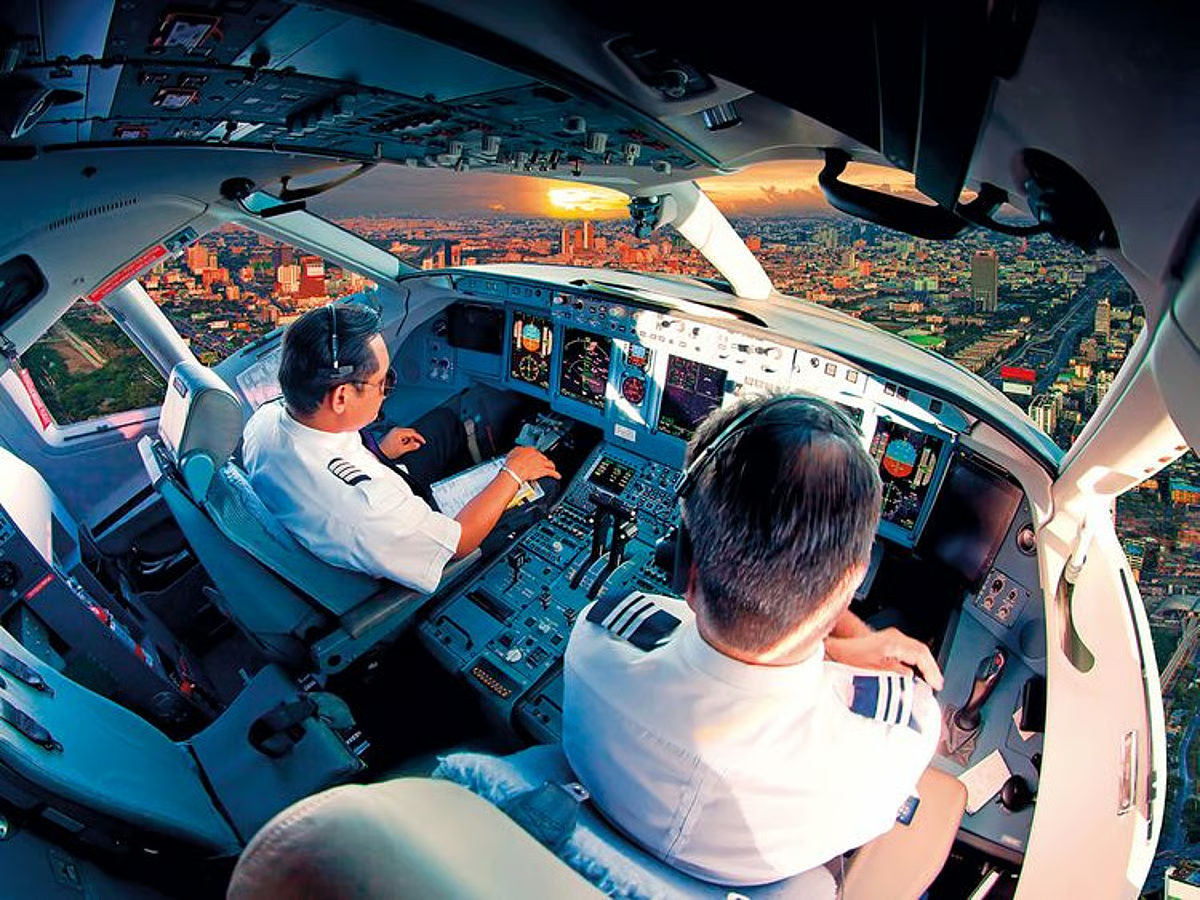

The aviation industry faces a significant shortfall in qualified personnel, with a new forecast predicting the need for 300,000 new pilots globally by 2034. This demand, outlined in the recently released Forecast4m report, stems from a combination of factors including post-pandemic travel recovery and a wave of retirements. The report highlights the urgency for increased training and recruitment efforts to avoid disruptions to air travel.
The projected pilot shortage isn’t limited to any single region, but is a worldwide concern impacting commercial airlines, cargo operators, and even sectors like business aviation. Forecast4m, a leading aviation consulting firm, released the data on October 26, 2023, after analyzing fleet projections, retirement rates, and current training capacity. The findings underscore a growing crisis that could affect flight schedules and potentially increase ticket prices.
Understanding the Global Pilot Demand
The primary driver behind the need for 300,000 new pilots is the resurgence in air travel following the COVID-19 pandemic. Airline passenger numbers have rebounded strongly, and are expected to continue growing in the coming years. This increased demand necessitates more flights and, consequently, more flight crews.
However, the recovery isn’t the sole contributor. A substantial number of experienced pilots are approaching mandatory retirement age, creating a significant gap in the workforce. According to industry standards, commercial pilots typically retire at age 65, and a large cohort will be leaving the profession within the next decade.
Regional Variations in the Shortage
While the shortage is global, its impact will be felt unevenly across different regions. Asia-Pacific is expected to experience the largest demand, requiring approximately 118,000 new pilots. North America and Europe will also face substantial shortages, needing around 73,000 and 64,000 pilots respectively.
These regional differences are linked to varying rates of fleet expansion and economic growth. Emerging markets, particularly in Asia, are seeing rapid increases in air travel, fueling the demand for more pilots.
Impact of Aircraft Deliveries
The number of aircraft on order and scheduled for delivery also plays a crucial role. Boeing and Airbus both have significant backlogs, meaning airlines will be receiving new planes that require qualified crews. The report indicates that the delivery of these new aircraft will exacerbate the existing pilot shortage if training programs don’t keep pace.
Challenges in Addressing the Pilot Shortage
Simply forecasting the need for pilots isn’t enough; several obstacles hinder the rapid expansion of the pilot workforce. The cost of flight training is a major barrier to entry for many aspiring pilots. Tuition fees, coupled with living expenses, can easily exceed $80,000, creating a significant financial burden.
Additionally, stringent regulatory requirements and medical certifications add to the complexity and time commitment of becoming a pilot. These regulations are in place to ensure safety, but they can also slow down the training pipeline. The Federal Aviation Administration (FAA) in the United States, for example, is currently reviewing its medical certification processes.
Meanwhile, attracting and retaining pilots, particularly in the face of demanding schedules and potential lifestyle challenges, is proving difficult. Competition among airlines for qualified pilots is fierce, leading to increased salaries and benefits packages. This competition is further intensified by the growing demand for experienced flight instructors, as training programs expand.
Industry Responses and Potential Solutions
Airlines and flight schools are actively implementing strategies to mitigate the impending pilot shortage. Many are investing in their own cadet programs, offering financial assistance and guaranteed employment to successful graduates. These programs aim to create a steady stream of newly qualified pilots.
Furthermore, there’s a growing emphasis on diversifying the pilot pool, encouraging more women and individuals from underrepresented backgrounds to pursue careers in aviation. Initiatives are underway to promote STEM education and provide scholarships to aspiring pilots from diverse communities.
In contrast to traditional training pathways, some companies are exploring innovative approaches, such as ab initio training programs that take students with no prior flying experience and train them to airline standards. These programs are often accelerated and focus on competency-based training. The use of flight simulators is also being expanded to provide more realistic and cost-effective training opportunities. The demand for aviation maintenance technicians is also increasing, representing another critical skill gap.
The report also suggests a potential role for technology in alleviating the shortage. While not a replacement for human pilots, advancements in automation and artificial intelligence could potentially reduce the workload on flight crews and improve efficiency. However, the widespread adoption of these technologies is still years away.
Looking Ahead: Uncertainties and Next Steps
The Forecast4m report serves as a critical warning for the aviation industry. The projected pilot shortage of 300,000 by 2034 is a substantial challenge that requires immediate and sustained attention. The effectiveness of current mitigation strategies remains to be seen, and the situation could be further complicated by unforeseen economic or geopolitical events.
The next key development will be the FAA’s ongoing review of its pilot training regulations, with potential changes expected by late 2024. Industry stakeholders will also be closely monitoring the enrollment rates in flight schools and the success of airline cadet programs. Continued investment in training infrastructure and efforts to attract a diverse pool of candidates will be essential to ensure a stable and sustainable supply of pilots for the future.
The long-term impact of the shortage on air travel costs and accessibility remains uncertain, but proactive measures are crucial to minimize potential disruptions.