


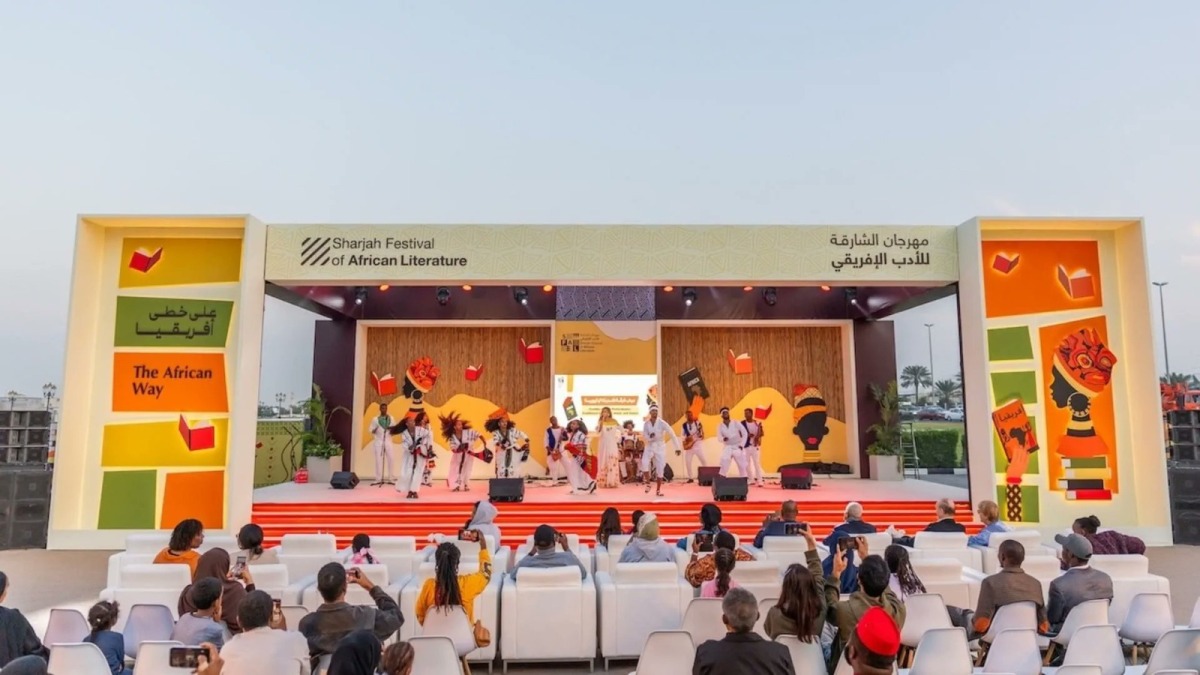

The second annual Sharjah African Literature Festival concluded in Abu Dhabi, showcasing the rich literary landscape of Africa and fostering cultural exchange with the Arab world. The festival, organized by the Sharjah Book Authority under the theme “The African Way,” ran from January 17-19, 2026, and featured 29 writers alongside publishers, intellectuals, and book enthusiasts. This year’s event built upon the success of the inaugural festival launched in 2025.
The three-day event, held in Abu Dhabi, provided a platform for dialogue and collaboration within the publishing industry, with a particular focus on translation and co-publishing opportunities. Attendees participated in panel discussions, poetry readings, workshops, and exhibitions celebrating African literature, art, and fashion. The festival aimed to strengthen ties between African and Arab literary communities and promote a wider understanding of African storytelling.
Celebrating African Voices: The Sharjah African Literature Festival
The festival’s core mission is to elevate African literature on the global stage. According to the Sharjah Book Authority, the event seeks to address historical imbalances in representation and provide a dedicated space for African writers to connect with readers and industry professionals. This year’s theme, “The African Way,” underscored the diversity of perspectives and experiences within the continent.
Cultural Exchange and Literary Dialogue
A significant portion of the festival was dedicated to exploring the intersections of African and Arab cultures. Panel discussions examined shared histories, artistic influences, and contemporary challenges faced by both regions. These conversations highlighted the potential for increased collaboration and mutual understanding through literature. Additionally, the festival featured musical performances and a visual arts exhibition showcasing African creativity.
The event also addressed practical challenges facing African publishers. Dedicated sessions focused on the complexities of translation, copyright, and distribution, aiming to facilitate greater access to African literature for Arabic-speaking readers and vice versa. Publishers explored potential partnerships and strategies for expanding their reach in new markets. The growing interest in African writing was a recurring theme throughout these discussions.
Recognizing Literary Excellence
The Sharjah Literary Appreciation Award was presented to Zimbabwean novelist Tsitsi Dangarembga during the closing ceremony. The award recognizes her significant contributions to international literature and her powerful storytelling, which often explores themes of identity, colonialism, and gender. Dangarembga’s work has garnered critical acclaim and has been translated into numerous languages. Her recognition underscores the festival’s commitment to honoring established and emerging voices in African literature.
Beyond the main program, the festival included a robust schedule of activities for children and young adults. Twenty workshops were designed to foster a love of reading and writing among the next generation, introducing them to diverse African stories and perspectives. This focus on youth engagement is crucial for ensuring the continued growth and vitality of the literary arts. The festival also highlighted the importance of storytelling in preserving cultural heritage.
However, challenges remain in promoting African literature internationally. Limited distribution networks, language barriers, and a lack of funding continue to hinder the reach of many African writers. The Sharjah African Literature Festival represents a vital step towards addressing these challenges, but sustained investment and collaboration are needed to create lasting change.
The Sharjah Book Authority has not yet announced dates for the third edition of the festival. Organizers are expected to evaluate feedback from this year’s event and refine the program for future iterations. Potential areas of focus could include expanding the representation of writers from underrepresented regions of Africa and strengthening partnerships with international literary organizations. The continued success of the festival will depend on securing ongoing funding and maintaining its commitment to celebrating the diversity and dynamism of African literature.