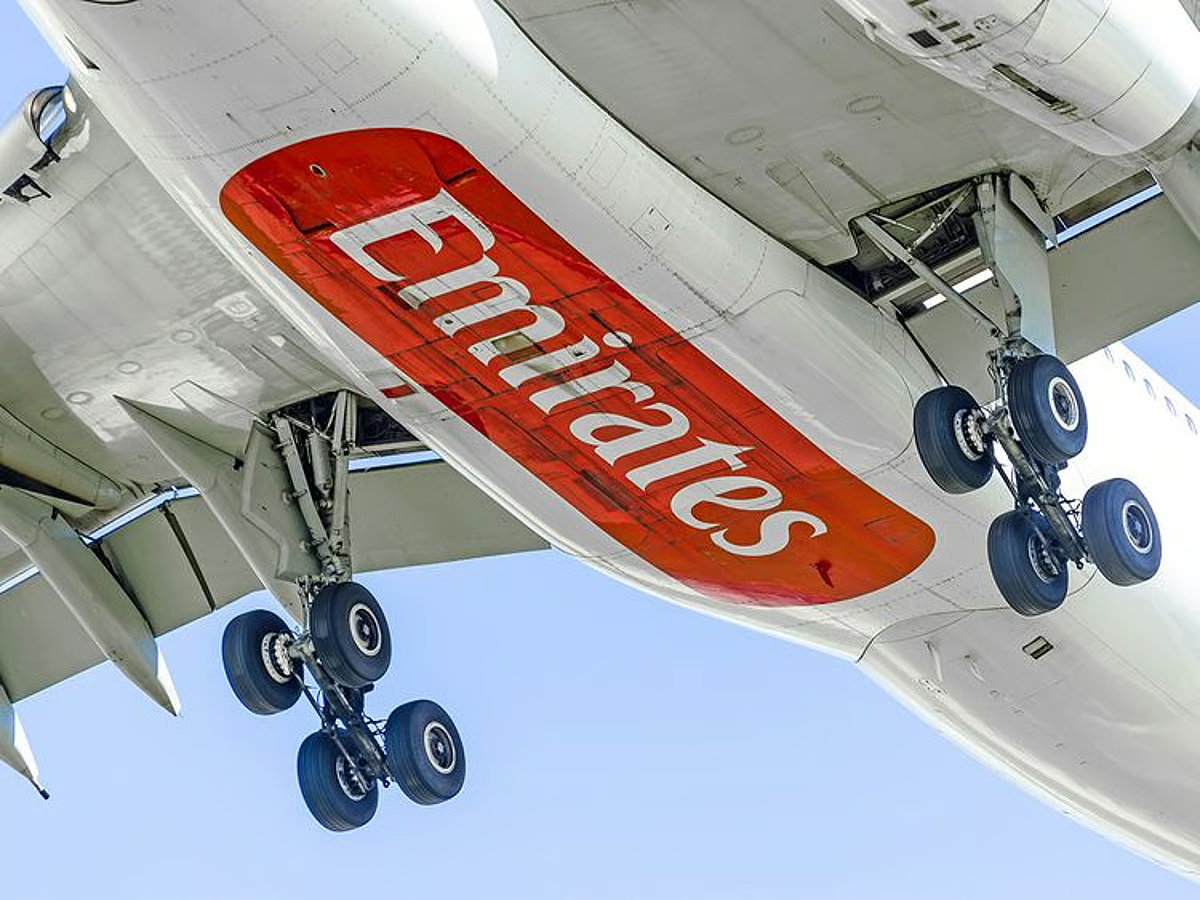

Emirates is significantly enhancing the passenger experience with recent upgrades to its fleet and onboard amenities. The airline’s new Airbus A350 entered commercial service in January, serving an expanding network of destinations. Coupled with a major investment in ultra-fast Wi-Fi via Starlink and a commitment to greater accessibility, these changes underscore Emirates’ focus on modernizing air travel and catering to a wider range of passenger needs.
Currently, 16 of the new A350 aircraft are operating flights to 18 destinations across Europe, the Middle East, West Asia, and Australia. Emirates aims to expand its A350 reach further, planning a debut in the Americas with service to Montreal scheduled for February 2026, according to the airline.
The Impact of the New Airbus A350 Fleet
The introduction of the Airbus A350 represents a substantial investment in passenger comfort and operational efficiency. The aircraft are notable for their quieter cabins and enhanced overall comfort levels, achieved through advanced design and noise reduction technologies. This addition to the Emirates fleet aligns with a broader industry trend focused on providing a more relaxing travel experience.
New Interior Designs
Emirates’ A350s feature the airline’s latest interior designs, including refreshed seating options and improved cabin aesthetics. Passengers are experiencing a more modern and appealing environment during their flights. The airline has not detailed specific changes beyond noting a general upgrade to its cabin offerings.
The move towards newer aircraft also addresses concerns about fleet age and sustainability. The A350 is known for its fuel efficiency compared to older generation planes, potentially reducing Emirates’ carbon footprint on these routes. This focus is increasingly important as airlines face pressure to minimize their environmental impact.
Ultra-Fast Connectivity with Starlink
One of the most anticipated upgrades is the rollout of Starlink’s high-speed, low-latency internet service across the Emirates fleet. The airline announced plans to install Starlink on a total of 232 aircraft, with Boeing 777s being the initial focus of the implementation. This ambitious project aims to provide a significantly improved internet experience for passengers.
Emirates is slated to become the first airline globally to offer Starlink connectivity on its Airbus A380s, with installations expected to begin in early 2026. This is a key differentiator for the airline, as the A380 remains a popular choice for long-haul travel. The details of pricing for Starlink access have been released, with complimentary high-speed access available to all passengers across all cabin classes on over 123 aircraft by the end of the following year.
The integration of Starlink addresses a long-standing frustration for air travelers: unreliable and slow in-flight Wi-Fi. This technology has the potential to enable seamless streaming, video conferencing, and general browsing during flights, fundamentally changing how passengers utilize their time in the air. Increased flight connectivity is expected to boost productivity and entertainment options for those onboard.
Emirates Leads in Accessibility Initiatives
Emirates has recently made considerable strides in enhancing accessibility for passengers, notably becoming the world’s first Autism-Certified Airline. This certification, received in early 2025, reflects a comprehensive training program for over 30,000 staff members, equipping them with the knowledge and skills to better support individuals with autism and sensory sensitivities.
Responding to passenger needs, Emirates has introduced travel rehearsal programs in 17 cities globally. These programs allow passengers to familiarize themselves with the airport and boarding process in a safe and controlled environment. Additionally, the airline is providing new onboard sensory products and expanding accessibility features on its website and in-flight entertainment systems.
Further improvements are planned, including the launch of wheelchair-accessible chauffeur vehicles in Dubai by early 2026. This investment highlights Emirates’ commitment to serving passengers with disabilities and creating a more inclusive travel experience. Industry observers note this proactive approach to inclusive travel is becoming increasingly important for airlines seeking to attract a wider customer base.
Looking ahead, the full implementation of Starlink across the fleet and the expansion of the A350’s route network remain key priorities for Emirates. The success of the Montreal service launch in 2026 will be a crucial indicator of the airline’s strategy in the North American market. The evolving travel landscape and potential supply chain disruptions for aircraft components and technology installations will continue to necessitate adaptability from Emirates as it pushes forward with these significant improvements.