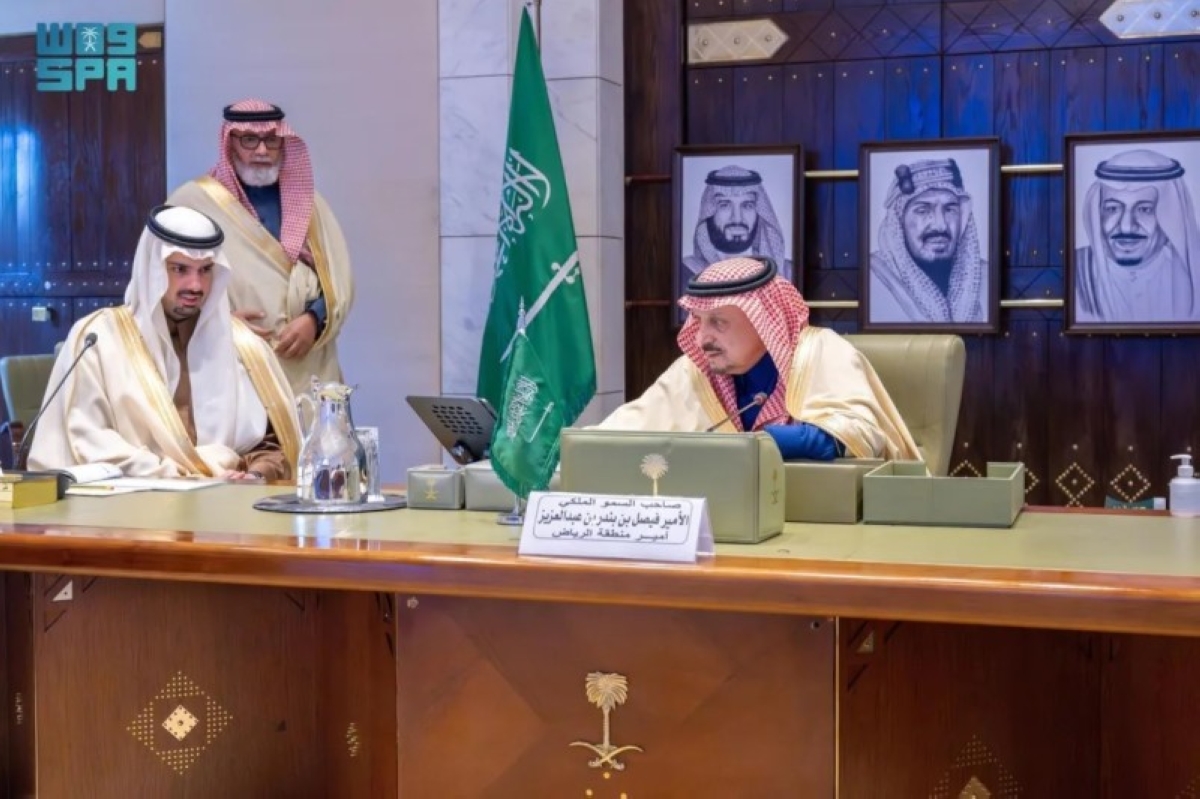

Riyadh continues its ambitious transformation with the recent inauguration of 25 new parks across the city. Prince Faisal bin Bandar, Emir of Riyadh, officially opened the facilities at a ceremony held at Al-Hukm Palace, marking a significant step in the Kingdom’s efforts to enhance urban life and promote well-being for both citizens and expatriates. The new additions represent a substantial investment in green spaces and recreational infrastructure.
The inauguration was attended by Riyadh Mayor Prince Faisal bin Abdulaziz and numerous officials. These parks are part of a larger, ongoing program by the Riyadh mayoralty to significantly increase the amount of public green space within the city limits, contributing to a more livable and sustainable environment. The project underscores the Kingdom’s commitment to improving the quality of life for its residents.
Expanding Green Spaces in Riyadh: A Focus on New Parks
The newly opened parks cover a combined area of 274,600 square meters, offering a considerable boost to the city’s recreational resources. This expansion is directly aligned with Saudi Arabia’s Vision 2030, a strategic framework aimed at diversifying the economy and improving social well-being. A key component of Vision 2030 is enhancing the livability of Saudi cities.
The development includes 77,300 square meters dedicated to green areas, featuring 2,480 newly planted trees. These green spaces are intended to mitigate the urban heat island effect and improve air quality, addressing growing environmental concerns in the rapidly developing city. The initiative also supports the broader Riyadh Green Initiative, which aims to create a more sustainable and environmentally friendly capital.
Infrastructure and Accessibility
Beyond the greenery, the parks boast extensive infrastructure designed to cater to a wide range of activities and users. This includes 33,500 linear meters of pedestrian walkways and 7,400 linear meters of dedicated bicycle paths, encouraging active transportation and healthy lifestyles. The provision of these paths reflects a growing emphasis on non-motorized transport options within Riyadh.
Accessibility has been a key consideration in the design of these facilities. The parks incorporate features to ensure easy access for individuals with disabilities, promoting inclusivity and equal participation in community life. This commitment to universal design is becoming increasingly common in new public projects throughout the Kingdom.
Amenities for All Ages
The new parks are equipped with a variety of amenities intended to appeal to residents of all ages. These include 17 multi-purpose sports fields, providing opportunities for organized and informal athletic activities. Additionally, 1,165 lighting poles have been installed to ensure safety and usability during evening hours.
Family-friendly features are also prominent, with 12,000 square meters dedicated to children’s play areas. The inclusion of 666 benches throughout the parks offers comfortable seating for visitors. Furthermore, 913 parking spaces have been provided to facilitate access for those traveling by car.
The city’s investment in park infrastructure is part of a larger trend of urban development in Saudi Arabia. Similar projects are underway in other major cities, such as Jeddah and Dammam, reflecting a national commitment to improving public spaces. This focus on urban renewal is driven by both economic and social considerations.
The opening of these 25 parks builds on previous efforts. Riyadh opened 17 parks in 2022 and 45 in 2023, demonstrating a consistent and accelerating pace of development. Plans are already in place for the inauguration of another 25 parks in 2025, signaling a long-term commitment to expanding green infrastructure. This phased approach allows the municipality to assess the impact of each stage and make adjustments as needed.
The ongoing expansion of parks and green spaces in Riyadh is expected to have a positive impact on property values in surrounding neighborhoods. Access to quality recreational facilities is often cited as a key factor in residential location decisions. This increased demand could contribute to the overall economic growth of the city.
Looking ahead, the Riyadh mayoralty will likely focus on maintaining and upgrading these new facilities. Regular maintenance is crucial to ensuring the long-term sustainability and usability of the parks. Future plans may also include the integration of smart technologies to enhance the visitor experience and improve park management. The success of these initiatives will depend on continued funding and effective collaboration between government agencies and the private sector.