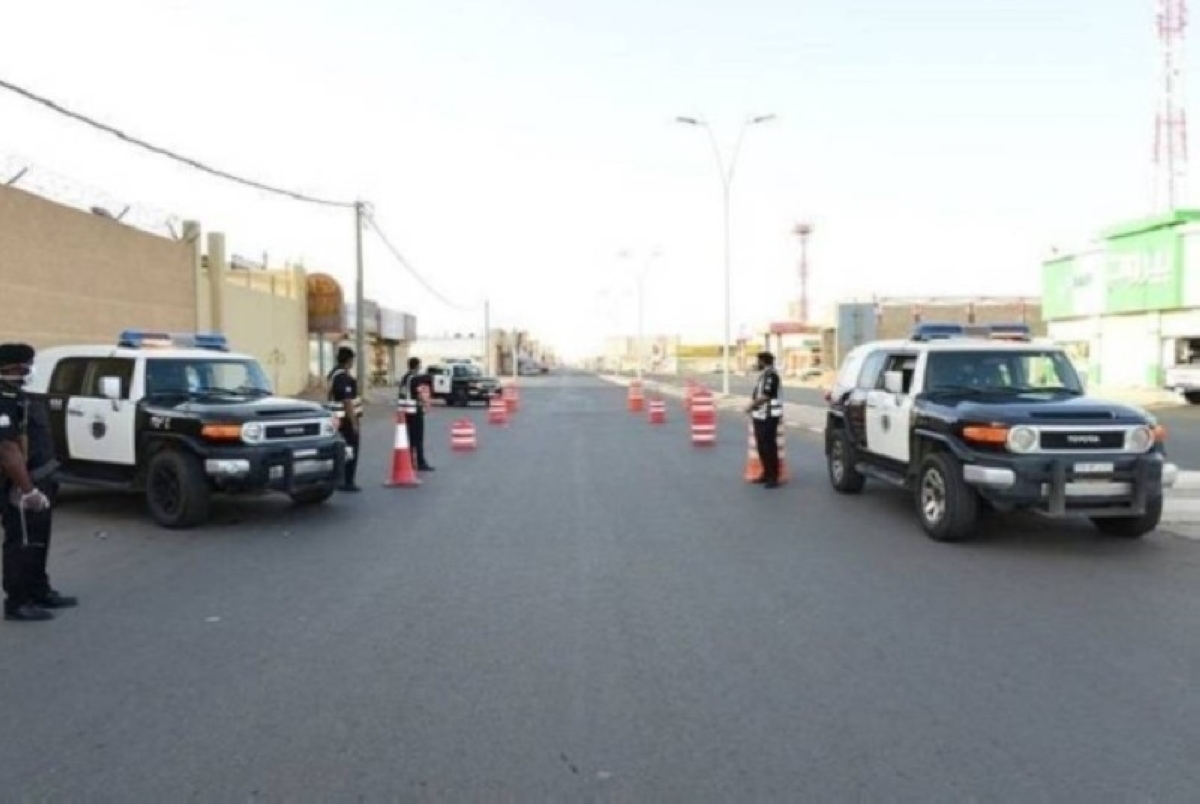

Saudi Arabia continues its efforts to enforce residency and border security laws, with authorities announcing the arrest of 21,134 illegal residents during a week-long nationwide campaign. The crackdown, conducted between November 20th and 26th, targeted individuals violating residency, border security, and labor regulations. This latest operation underscores the Kingdom’s commitment to maintaining control over its borders and workforce.
The Ministry of Interior reported the arrests occurred during joint inspections involving various security forces and government agencies across the country. Those detained included individuals overstaying visas, attempting unauthorized entry, and working without proper permits. The operation reflects a sustained effort to address demographic imbalances and ensure compliance with Saudi labor laws.
Recent Crackdown on Illegal Residents in Saudi Arabia
According to the Ministry of Interior, the arrests were categorized as follows: 13,128 individuals violated the Residency Law, 4,826 violated the Border Security Law, and 3,180 violated the Labor Law. These figures represent a significant number of individuals facing potential deportation or other legal consequences. The ministry emphasized that these measures are necessary to protect the Kingdom’s security and economic stability.
Border Security and Deportation Efforts
A substantial portion of those apprehended were attempting to cross the border into Saudi Arabia. The report indicates that 1,667 individuals were caught attempting illegal entry, with Yemeni and Ethiopian nationals comprising the vast majority – 42 percent and 57 percent respectively. Additionally, 31 people were arrested while trying to illegally leave the Kingdom.
Meanwhile, authorities are actively processing those detained for deportation. 22,071 individuals have been referred to their respective diplomatic missions to secure travel documents, while 5,078 are finalizing travel arrangements. A total of 11,674 individuals have already been deported. This demonstrates the swiftness with which the Saudi government is implementing its enforcement policies.
Penalties for Facilitating Illegal Activity
The Ministry of Interior has issued a stern warning regarding individuals who assist those violating residency or border laws. Anyone found to be facilitating illegal entry, transportation, shelter, or employment for illegal workers faces severe penalties. These include imprisonment for up to 15 years and fines reaching SR1 million (approximately $266,000 USD).
Additionally, the ministry stated that vehicles used for transportation and properties used for shelter will be confiscated. This strong stance aims to deter individuals from profiting from or enabling unlawful activities. The crackdown extends beyond those directly violating the laws to include those who aid and abet them.
Public Cooperation and Reporting Mechanisms
Saudi authorities are encouraging public cooperation in identifying and reporting violations. Citizens and residents are urged to report any suspected illegal activity by calling 911 in the regions of Makkah, Riyadh, and the Eastern Province. In other regions, individuals can use the numbers 999 and 996. This reliance on public assistance highlights the importance of community involvement in maintaining security.
The ongoing campaign builds upon previous efforts to regulate the expatriate workforce and address issues related to labor law violations. Saudi Arabia has been implementing reforms under its Vision 2030 plan, which includes increasing employment opportunities for Saudi nationals and tightening regulations for foreign workers. This latest operation is consistent with those broader goals.
Currently, 31,091 expatriates – 29,538 men and 1,553 women – are undergoing legal procedures. The Ministry of Interior has not specified the nationalities of this group beyond the border crossing data. However, it is expected that a significant portion will be subject to deportation.
The Saudi government’s focus on enforcing its immigration and labor laws is likely to continue. Future operations are anticipated, and the Ministry of Interior has not indicated a specific end date for these enforcement efforts. Observers will be watching for any adjustments to the penalties or procedures, as well as the long-term impact on the Kingdom’s expatriate population and labor market.