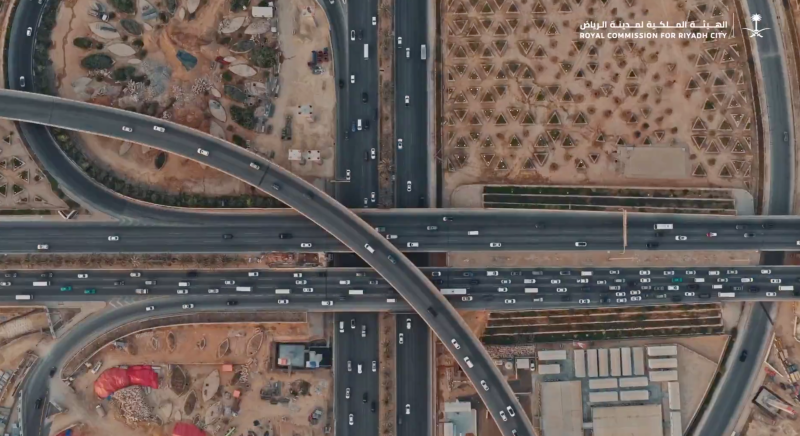

RIYADH — The Royal Commission for Riyadh City (RCRC) is undertaking a substantial infrastructure project focused on road network development surrounding the King Abdullah Financial District (KAFD). This initiative, part of the larger Riyadh Ring Roads and Main Roads Development Program, aims to alleviate traffic congestion and improve connectivity within the Saudi capital. Construction is currently underway with an expected completion date yet to be announced.
The project encompasses approximately 20 kilometers of roadways and concentrates on upgrading infrastructure around KAFD. It involves significant enhancements to three key intersections and the construction of 19 bridges, all designed to streamline traffic flow and provide easier access to the financial district and its surrounding areas. The RCRC anticipates the improvements will positively impact the city’s overall transportation efficiency.
Improving Riyadh’s Road Network
This road network development is strategically targeting three of Riyadh’s most vital transportation arteries: the Northern Ring Road, Al-Takhassusi Road, and King Fahd Road. These corridors experience high traffic volumes, particularly during peak hours, and are crucial for both commercial and residential commuters. The upgrades are intended to address these persistent bottlenecks and enhance the overall quality of transportation for residents and businesses.
According to the RCRC, the project’s scope extends beyond simply adding lanes and bridges. It includes a focus on raising the overall service levels of the roads, meaning improvements to factors like pavement quality, signage, and lighting. This holistic approach aims to create a more comfortable and safer driving experience.
Engineering Challenges and Scale
The construction process itself presents considerable engineering challenges. The project requires the installation of 227 structural columns, varying in height from 3.5 meters to 29.5 meters. This demonstrates the complexity and scale of the undertaking, requiring precise planning and execution.
The RCRC is employing advanced construction techniques to minimize disruption to existing traffic patterns. However, some temporary road closures and diversions are unavoidable during the construction phase. Authorities are working to provide clear and timely information to the public regarding these changes.
The broader Riyadh Ring Roads and Main Roads Development Program, of which this project is a part, reflects Saudi Arabia’s significant investment in infrastructure as part of its Vision 2030 plan. Vision 2030 prioritizes diversifying the economy and improving the quality of life for citizens, with enhanced transportation infrastructure being a key component. This initiative is expected to support economic growth by facilitating the movement of goods and people.
The KAFD itself is a major driver of the need for improved infrastructure. Designed to be a world-class financial hub, the district has seen increasing occupancy in recent years. This growth has placed additional strain on the surrounding road network, making upgrades essential to accommodate the rising demand. The development is also expected to encourage further investment in the area.
Beyond KAFD, the improvements will benefit a wider range of commuters and businesses. Al-Takhassusi Road, for example, is a major commercial thoroughfare, and enhancements to this route will reduce travel times and improve access to key retail and service locations. Similarly, upgrades to the Northern Ring Road will provide a more efficient connection between different parts of the city.
The anticipated benefits of the completed project include increased average vehicle speeds, reduced travel times, and a more integrated and reliable transportation system across Riyadh. These improvements are expected to have a positive impact on air quality by reducing idling time in traffic. Furthermore, a smoother flow of traffic could contribute to lower fuel consumption.
The RCRC has not yet released a detailed timeline for the completion of the project. However, they have indicated that work is progressing according to schedule. Monitoring the progress of construction, particularly the completion of the bridge structures, will be crucial in determining the overall project timeline. The impact of potential supply chain disruptions on construction materials also remains a factor to watch.
Looking ahead, the RCRC will likely focus on integrating the new infrastructure with existing public transportation networks. Expanding bus routes and potentially introducing new light rail or metro lines to serve KAFD and the surrounding areas could further enhance the effectiveness of the road improvements. The long-term success of the project will depend on a coordinated approach to urban planning and transportation management.
The completion of this project is a significant step towards modernizing Riyadh’s infrastructure and supporting the city’s continued growth. Stakeholders will be closely observing the project’s impact on traffic patterns, economic activity, and the overall quality of life for residents. Further announcements regarding the project timeline and integration with public transport are expected in the coming months.
Related secondary keywords include: infrastructure projects, traffic management, and urban development.