
Bahrain is making significant strides in its commitment to environmental sustainability, particularly through its ambitious national afforestation plan. Recent reports presented to His Royal Highness Prince Salman bin Hamad Al Khalifa, the Crown Prince and Prime Minister, demonstrate remarkable progress in both tree planting and vital mangrove restoration initiatives, solidifying the Kingdom’s position as a regional environmental leader. This dedication to greening the nation is not just about aesthetics; it’s a crucial step towards mitigating climate change and enhancing biodiversity.
Bahrain’s National Afforestation Plan: A Growing Success
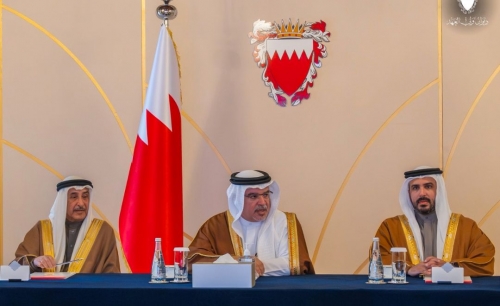
The core of Bahrain’s environmental push lies in its National Afforestation Plan, a long-term strategy designed to increase green cover across the Kingdom. Minister of Municipalities Affairs and Agriculture, Wael bin Nasser Al Mubarak, recently briefed HRH the Crown Prince and Prime Minister on the plan’s current status, revealing impressive figures. To date, a total of 2.4 million trees have been planted, representing 67% completion of the 3.6 million tree goal set for 2035.
This isn’t simply a numbers game. The plan incorporates careful selection of tree species suited to Bahrain’s climate and soil conditions, ensuring long-term survival and ecological benefit. Furthermore, the initiative emphasizes strategic planting locations to maximize impact on air quality, urban heat island effect, and overall landscape health. The success of this plan is a testament to the Kingdom’s proactive approach to environmental challenges.
Strategic Implementation and Monitoring
A key factor driving the success of the national afforestation plan is the rigorous monitoring and evaluation process. HRH the Crown Prince and Prime Minister highlighted the importance of clearly defined performance indicators, allowing for adjustments and improvements as the project progresses. This data-driven approach ensures that resources are allocated effectively and that the plan remains on track to achieve its ambitious goals. Regular assessments of tree survival rates, growth patterns, and ecological impact are all integral parts of this process.
Beyond Trees: The Bahrain Mangroves Initiative Exceeds Expectations
While tree planting forms a significant part of Bahrain’s green agenda, the restoration and expansion of mangrove ecosystems are equally vital. Mangroves are incredibly effective carbon sinks, playing a crucial role in climate change mitigation. They also provide essential habitat for a diverse range of marine life and protect coastlines from erosion.
The Bahrain Mangroves Initiative has demonstrably surpassed its initial targets. An astounding 2.2 million mangrove seedlings have been planted, exceeding the original goal of 1.6 million by 138%. This overachievement underscores the dedication of Bahraini environmental teams and the effectiveness of the restoration techniques employed. This focus on environmental protection is a key pillar of the Kingdom’s Vision 2030.
The Importance of Mangrove Ecosystems
Mangrove forests are often referred to as “blue carbon” ecosystems due to their exceptional ability to sequester carbon dioxide from the atmosphere. Beyond carbon sequestration, these ecosystems offer a wealth of benefits. They act as natural nurseries for fish and shellfish, supporting local fisheries and food security. Their dense root systems stabilize shorelines, reducing the impact of storms and sea-level rise. Investing in mangrove restoration is, therefore, a multifaceted approach to sustainable development.
A Vision for a Greener Future
HRH the Crown Prince and Prime Minister’s reception of these reports wasn’t merely a formality. It was a clear endorsement of the Kingdom’s commitment to a sustainable future, aligning with the vision of His Majesty King Hamad Isa Al Khalifa. He emphasized that these initiatives are not isolated projects but rather integral components of a broader strategy to enhance environmental resilience and quality of life for all citizens.
The progress made on the national afforestation plan and the Bahrain Mangroves Initiative demonstrates a proactive and forward-thinking approach to environmental stewardship. Bahrain is actively working to balance economic growth with ecological responsibility, setting a positive example for other nations in the region.
Looking ahead, continued investment in research, technology, and community engagement will be crucial to sustaining this momentum. Expanding the scope of these initiatives to include other vital ecosystems, such as seagrass beds and coral reefs, will further strengthen Bahrain’s environmental defenses.
Ultimately, Bahrain’s success story serves as a powerful reminder that environmental sustainability is not just an obligation, but an opportunity to build a more prosperous and resilient future. The Kingdom’s dedication to greening its landscape and protecting its natural resources is an investment in the well-being of current and future generations, and a significant contribution to global efforts to combat climate change and promote biodiversity.