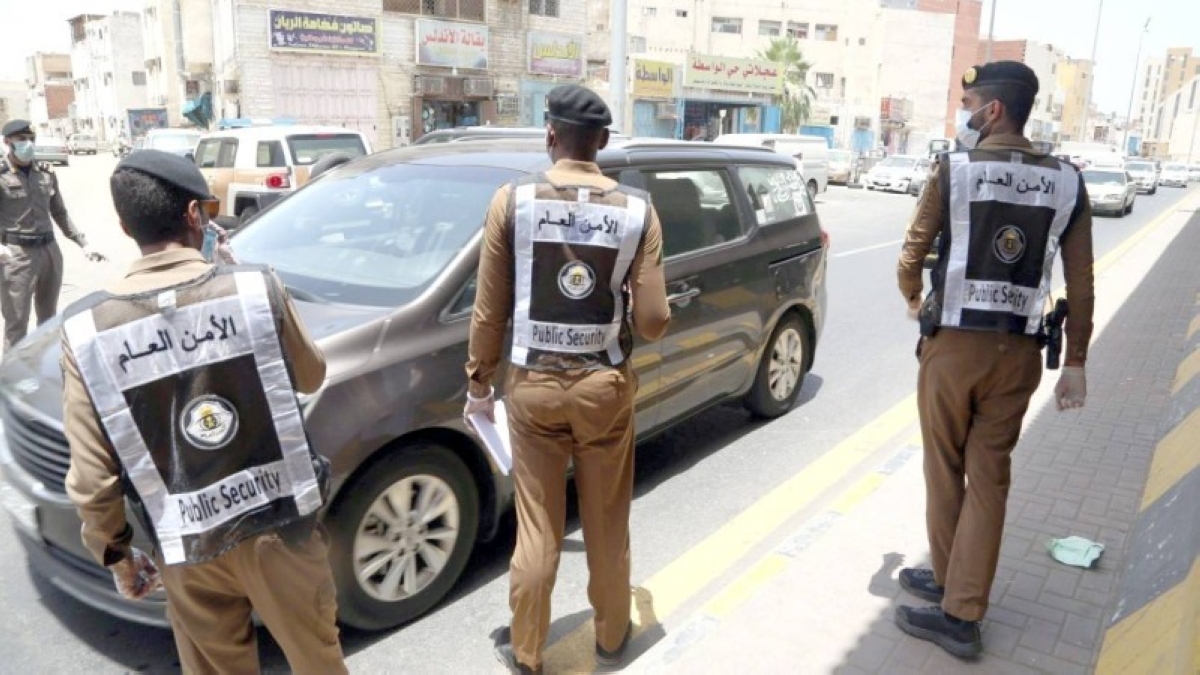

Saudi Arabia continues its efforts to enforce residency and border security laws, with authorities announcing the arrest of 18,836 illegal residents during a week-long nationwide campaign. The crackdown, conducted between January 1st and 7th, targeted individuals violating residency, border security, and labor regulations. This latest operation underscores the Kingdom’s commitment to maintaining control over its borders and workforce.
The Ministry of Interior reported the arrests occurred during joint inspections involving various security forces and government agencies across the country. Those detained included individuals overstaying visas, attempting unauthorized entry, and working without proper permits. The operation reflects a sustained effort to address issues related to undocumented migration and labor market irregularities.
Recent Crackdown on Illegal Residents in Saudi Arabia
According to the Ministry of Interior, the arrests were categorized as follows: 11,710 individuals violated the Residency Law, 4,239 violated the Border Security Law, and 2,887 violated the Labor Law. These figures highlight the diverse nature of the violations being addressed by Saudi authorities. The ministry emphasized that these actions are necessary to uphold the law and protect the rights of legal residents and citizens.
Deportation and Repatriation Efforts
Following the arrests, 20,956 individuals were referred to their respective diplomatic missions to arrange travel documents. An additional 5,201 were assisted with completing travel reservations, and 10,195 have already been deported from the Kingdom. These numbers demonstrate the scale of the logistical operation involved in processing and repatriating those found to be in violation of Saudi law.
The report indicates a significant number of those attempting to cross the border illegally were from Yemen and Ethiopia. Specifically, 39 percent of border crossing attempts were by Yemeni nationals, while 60 percent were Ethiopian. The remaining 1 percent consisted of other nationalities. Additionally, 46 individuals were apprehended while attempting to leave the Kingdom illegally.
Penalties for Facilitating Illegal Activity
Saudi authorities are not only targeting those in violation of residency and border laws but also those who assist them. Nineteen individuals were arrested for providing transportation, shelter, or employment to illegal residents. The Ministry of Interior has issued a stern warning regarding these activities.
The ministry stated that anyone facilitating the illegal entry, transport, shelter, or employment of individuals within the Kingdom faces severe penalties. These include imprisonment for up to 15 years and fines reaching SR1 million (approximately $266,000 USD). Furthermore, vehicles used for transportation and properties used for shelter may be confiscated. This strong stance aims to deter individuals from profiting from illegal immigration.
Public Cooperation and Reporting Mechanisms
The Ministry of Interior actively encourages public cooperation in identifying and reporting violations. Citizens and residents are urged to report any suspected illegal activity. Reporting channels vary by region, with 911 available in Makkah, Riyadh, and the Eastern Province, and 999 and 996 used in other regions of the Kingdom. This reliance on public vigilance is a key component of the enforcement strategy.
Currently, 29,823 expatriates – comprising 28,220 men and 1,603 women – are undergoing legal procedures. These procedures are designed to ensure due process and adherence to Saudi law. The ongoing processing of this large number of individuals highlights the complexity of managing foreign workers and ensuring compliance with immigration regulations.
However, the Kingdom’s labor reforms, including initiatives to improve worker protections and streamline visa processes, aim to reduce the incentives for irregular migration. These reforms are intended to create a more regulated and transparent labor market, benefiting both employers and employees.
Meanwhile, the Saudi government continues to invest in border security technology and personnel to prevent unauthorized entry. These investments are part of a broader strategy to strengthen border control and address security concerns. The effectiveness of these measures will be a key factor in future enforcement efforts.
Looking ahead, the Ministry of Interior is expected to continue these nationwide campaigns on a regular basis. The frequency and intensity of these operations will likely depend on the ongoing assessment of border security and residency law violations. Monitoring the number of arrests and deportations, as well as the implementation of labor reforms, will be crucial in evaluating the long-term impact of these policies.