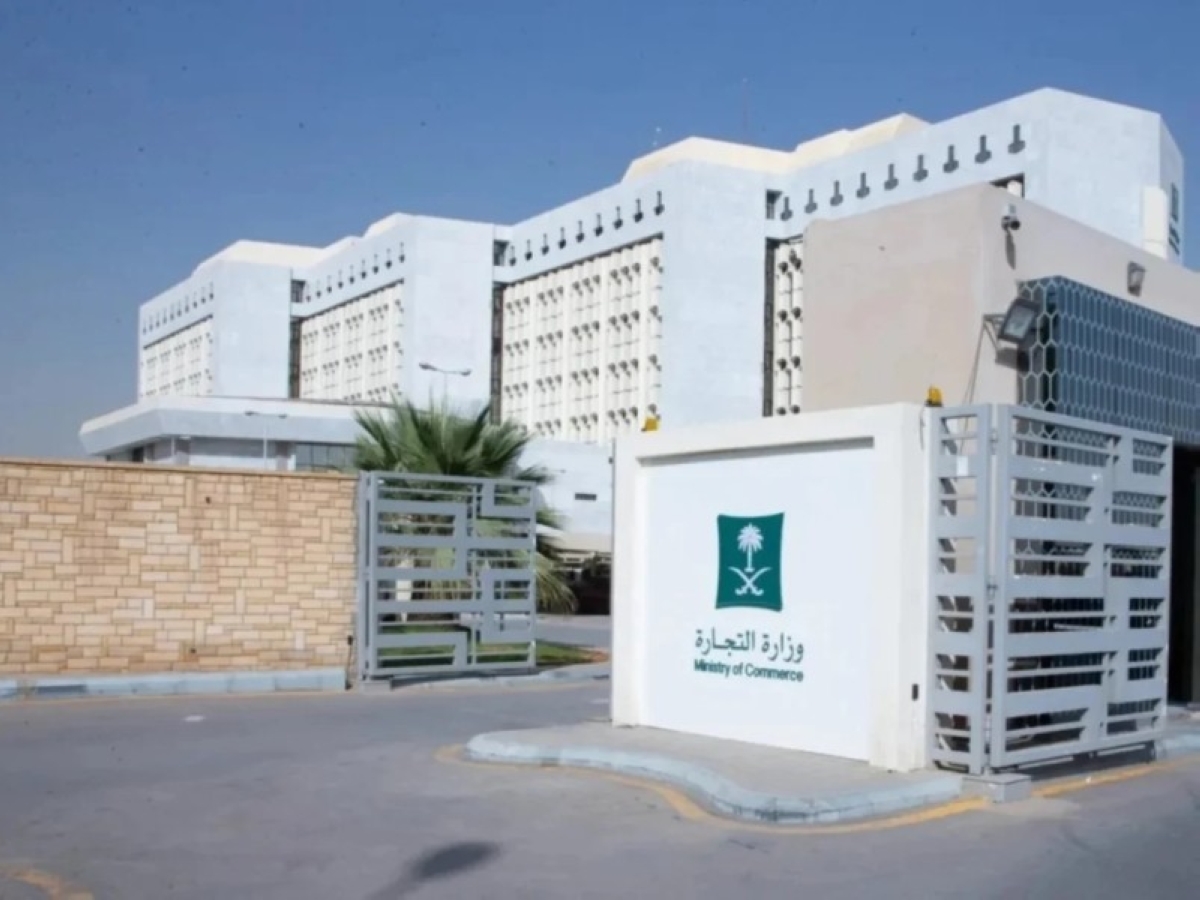

RIYADH – Saudi Arabia’s business sector continues to demonstrate robust expansion, with the Ministry of Commerce reporting over 123,000 new commercial registrations in the fourth quarter of 2025. This surge brings the total number of registered businesses throughout the Kingdom to more than 1.86 million, signaling ongoing economic diversification and growth. The data, released in the ministry’s latest business sector bulletin, reflects investment trends and the impact of Saudi Vision 2030.
The new registrations occurred across the country, though specific regional breakdowns weren’t detailed in the report. The Ministry of Commerce indicated this represents significant advancement toward realizing the economic goals established under Vision 2030, particularly concerning private sector involvement and a more dynamic business environment. The bulletin serves as a key indicator for stakeholders and potential investors tracking the Kingdom’s economic progress.
Growth in Commercial Registrations Reflects Saudi Economic Diversification
The overall growth in establishments marks a substantial 20 percent increase over the past five years, reaching a total exceeding 1.2 million. This signifies a broadened economic base beyond traditional oil revenue. According to the ministry, the uptick demonstrates the successful implementation of policies aimed at attracting both domestic and foreign investment.
A particularly notable trend is the substantial increase in limited liability company (LLC) registrations. These soared by a remarkable 183 percent since 2020, now totaling over 571,000. This suggests a growing preference for this business structure among entrepreneurs and investors, potentially due to its flexibility and limited liability protections.
Meanwhile, registrations for joint-stock companies also experienced considerable growth, increasing by 50 percent to reach 4,733 compared to figures from 2020. This form of business organization is often favored by larger enterprises and represents increased confidence in the Saudi market for significant capital deployment. The rise in both LLC and joint-stock registrations points to a vibrant and adaptable business sector.
Focus on Emerging Industries
The business sector bulletin highlights growth not only in overall numbers but also in specific sectors crucial to the Vision 2030 plan. Investments and registrations are demonstrably increasing in areas identified as key to the Kingdom’s future economic landscape.
Artificial intelligence (AI) witnessed strong interest, with notable registration increases. This is consistent with Saudi Arabia’s ambition to become a regional leader in technological innovation. The ministry also reported expansion in electronic gaming, a sector experiencing global growth and gaining traction within the Kingdom’s young population.
Additionally, cybersecurity is emerging as a priority area, driven by the increasing digitization of the economy and a greater focus on data protection. New registrations are also booming in the operation of vehicle charging stations, a direct result of initiatives to promote Electric Vehicles (EVs) as part of the Kingdom’s sustainability goals.
E-commerce continues to be a dynamic growth area, benefitting from increased internet penetration and changing consumer behavior. Furthermore, the healthcare sector is expanding, reflecting both demographic shifts and ongoing investments in healthcare infrastructure. These developing areas exemplify the diversification strategy central to Vision 2030 and the Kingdom’s focus on future-proof industries. Supporting small business growth in these areas is a stated priority.
Impact of Economic Reforms
The Ministry of Commerce has undertaken several reforms in recent years to streamline the process of starting and operating a business in Saudi Arabia, which likely contributed to the observed growth. These include simplifying registration procedures, reducing bureaucratic hurdles, and enhancing transparency.
However, external economic factors also play a role. Global commodity prices and overall economic conditions can impact investment decisions. Although the report shows positive trends, these are subject to ongoing global economic fluctuations. Specifically, the global supply chain saw moderate improvements in 2025 which aided business development.
The increasing number of foreign direct investments may further stimulate the Saudi economy. The Kingdom has actively sought foreign partnerships and expertise to accelerate its economic transformation. This recruitment stems from regional financial hubs experiencing slower growth.
In contrast to some other global economies, Saudi Arabia has maintained strong GDP growth over the past several years. This positive economic climate undoubtedly contributes to the attractiveness of the Kingdom as a business destination.
The data revealed also suggested an increase in the number of women-owned businesses, though specific numbers were not provided. This aligns with the Kingdom’s broader social and economic reforms aimed at increasing female participation in the workforce and entrepreneurship.
Looking ahead, the Ministry of Commerce is expected to publish a comprehensive annual report in the first quarter of 2026, providing a more detailed analysis of the business sector’s performance throughout the year. Future reports will likely focus on the impact of ongoing Vision 2030 projects and the evolving global economic landscape. Tracking the sustainability of these growth rates and adapting to potential challenges will be critical for continued economic success.
Monitoring the development and implementation of further regulatory reforms remains essential. While these initial indicators are positive, the long-term effects of these changes on the commercial registrations and the overall business climate will require ongoing evaluation.