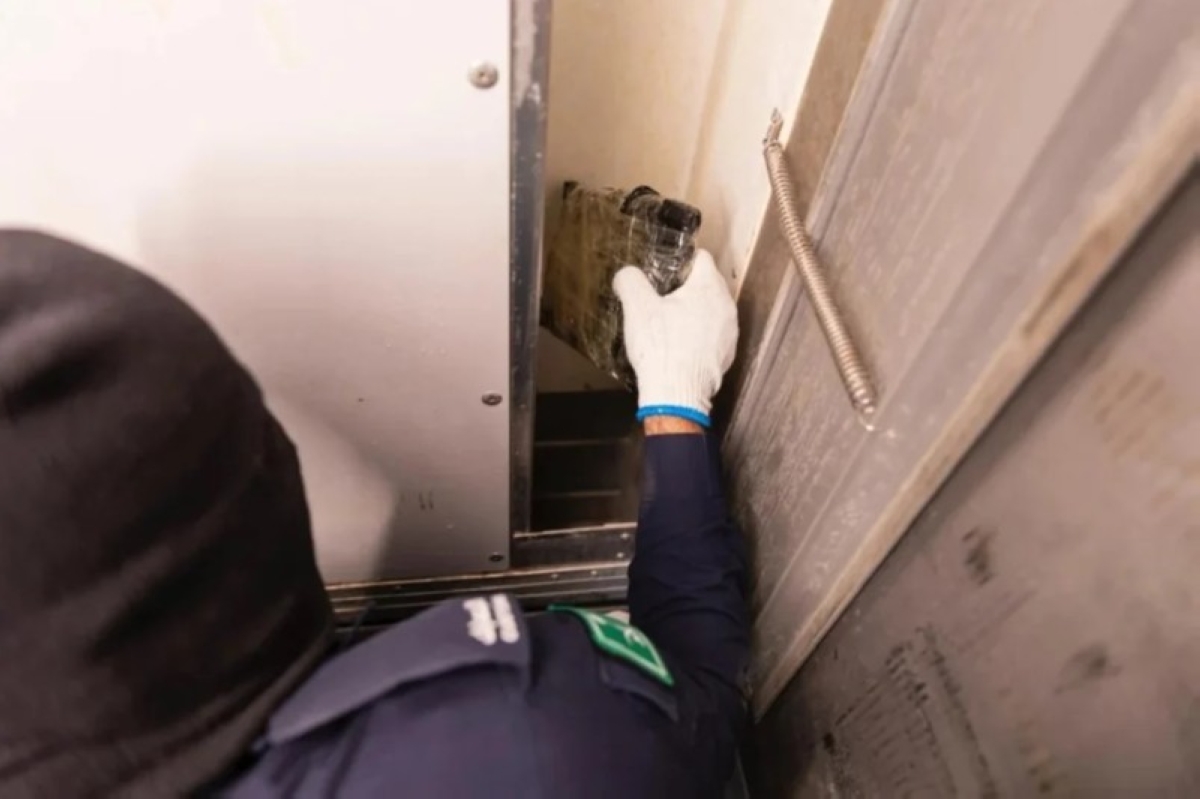

Saudi Arabia’s Zakat, Tax and Customs Authority (ZATCA) reported a significant seizure of contraband goods during the past week, intercepting 1,145 items at various points of entry. The haul, announced this week, included narcotics, prohibited substances, tobacco products, currency, and weapons. This action underscores the Kingdom’s ongoing efforts to bolster border security and protect its economy from illicit trade.
The seizures occurred across land, sea, and air customs ports throughout Saudi Arabia, according to ZATCA. Authorities detailed the breakdown as 133 instances of narcotics smuggling, 632 cases involving prohibited substances, 2,121 units of tobacco and related products, seven instances of illegal currency movement, and six cases of weapon and accessory smuggling. The ZATCA emphasized its dedication to maintaining strict customs controls.
Strengthening Customs Control and Combating Contraband
The recent increase in reported contraband seizures reflects a broader strategy by Saudi Arabia to tighten security measures and combat illegal activities. This initiative is part of the Kingdom’s Vision 2030 plan, which prioritizes economic diversification and national security. Increased vigilance at border crossings is a key component of this effort, aiming to disrupt the flow of illegal goods and protect public safety.
The Scope of Smuggling Operations
The variety of seized items suggests a diverse range of smuggling operations. Narcotics and prohibited substances often pose direct threats to public health and safety, while the illegal trade in tobacco products undermines government revenue through tax evasion. The interception of undeclared currency raises concerns about potential money laundering and financing of illicit activities.
Weapons smuggling, even in relatively small quantities, is particularly concerning given regional security dynamics. Authorities have not released details regarding the types of weapons seized, but any such attempt to introduce arms into the country is treated with high seriousness. The ZATCA works closely with other security agencies to investigate these incidents and identify the networks involved.
Public Collaboration and Reporting Mechanisms
ZATCA actively encourages public participation in its anti-smuggling efforts. The authority has established a dedicated security reporting number, 1910, for citizens and residents to provide information related to smuggling crimes and violations of the Unified Customs Law. This hotline allows for anonymous reporting, and ZATCA assures complete confidentiality for all informants.
Additionally, the authority offers financial rewards for information that leads to the successful apprehension of smugglers and the seizure of illegal goods. This incentive program aims to motivate individuals to come forward with valuable intelligence, bolstering the effectiveness of law enforcement. The success of this program relies on building trust between the public and ZATCA.
The Unified Customs Law, which governs import and export regulations in Saudi Arabia, provides the legal framework for these enforcement actions. Violations of the law can result in substantial fines, imprisonment, and the confiscation of smuggled goods. The law is regularly updated to address emerging smuggling trends and strengthen penalties.
The Kingdom’s geographic location, bordering several countries and possessing extensive coastlines, presents significant challenges to customs enforcement. However, ZATCA has invested heavily in advanced technologies, including scanning equipment and data analytics, to enhance its detection capabilities. These investments are intended to offset the challenges posed by the country’s vast borders.
The recent seizures also highlight the growing sophistication of smuggling methods. Smugglers are increasingly employing complex techniques to evade detection, such as concealing goods within legitimate shipments or utilizing remote border areas. This necessitates continuous training and adaptation for customs officials. The ZATCA collaborates with international organizations to share best practices and stay ahead of evolving smuggling tactics.
Beyond direct security concerns, smuggling negatively impacts the Saudi economy by depriving the government of tax revenue and creating unfair competition for legitimate businesses. The illegal trade in tobacco, for example, undermines public health initiatives and reduces the funds available for healthcare programs. Combating contraband is therefore seen as essential for sustainable economic development.
The ZATCA’s commitment to combating contraband extends to international cooperation. The authority actively participates in regional and global initiatives to share information, coordinate enforcement efforts, and address transnational smuggling networks. This collaborative approach is crucial for tackling the problem effectively. The exchange of intelligence with other countries helps to identify and disrupt smuggling routes.
The authority has not specified a timeline for evaluating the impact of these increased enforcement measures. However, officials have indicated that they will continue to monitor smuggling trends and adjust their strategies accordingly. Future reports will likely detail the types of penalties imposed on convicted smugglers and the value of the seized goods. The effectiveness of the 1910 reporting line will also be a key metric for assessing the program’s success.
Looking ahead, ZATCA is expected to further enhance its technological capabilities and strengthen its partnerships with other security agencies. The ongoing implementation of the Vision 2030 plan will likely drive further investment in border security infrastructure and personnel training. The long-term goal is to create a robust and resilient customs system that effectively protects the Kingdom from the threats posed by illegal trade and contraband, while also facilitating legitimate commerce and economic growth. The success of these efforts will depend on sustained commitment and adaptability in the face of evolving smuggling tactics and the broader issue of illicit financial flows.
Related secondary keywords used include: illicit trade, border security, Unified Customs Law.